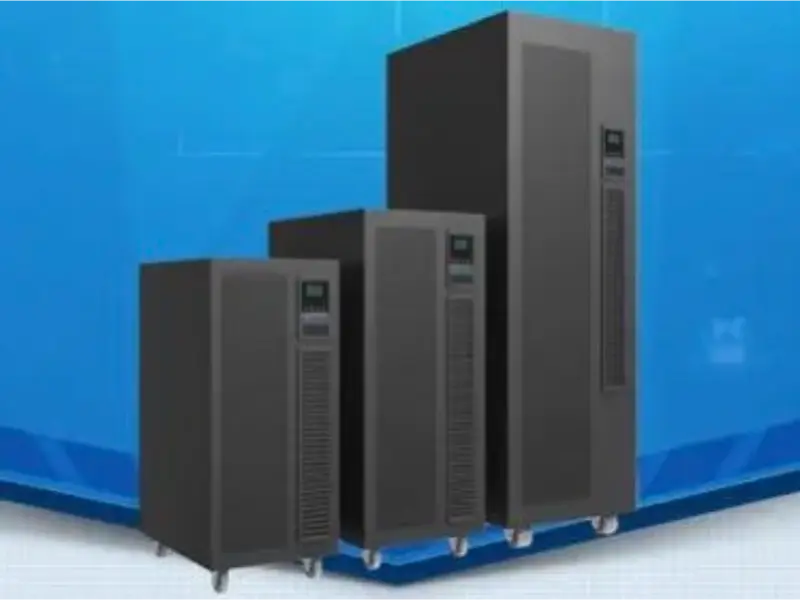
- A UPS, or uninterruptible power supply, is a critical device that provides backup power during electrical interruptions, ensuring the continuous operation of essential systems.
- It is vital for protecting sensitive equipment from power disturbances, preventing data loss, operational downtime, and potential damage in critical environments.
A UPS is an essential device that provides backup power to critical systems during power interruptions, ensuring continuous operation and protecting equipment from electrical disturbances. It plays a crucial role in maintaining reliability and preventing disruptions in environments where even brief power outages can have significant consequences, such as in healthcare, data centers, and industrial facilities.
Definition of UPS
A UPS is a device designed to provide backup power to electrical systems when there is an interruption in the main power supply. It is essential in ensuring the continuous operation of critical equipment, such as in data centers, hospitals, and industrial facilities, by supplying power from its batteries when the regular power grid fails.
Also read: Tourism at 100,000 feet: Startups offer stratospheric balloon rides
How does UPS work
A UPS is a crucial device that provides backup power to electrical systems during interruptions in the main power supply. It operates by converting the incoming AC from the grid into DC using a rectifier. This DC power is then used in two ways: to charge the UPS’s batteries, ensuring they are ready for any unexpected power outages, and to be converted back into AC by an inverter to power the connected equipment. This setup allows the UPS to maintain a stable and clean power supply to critical systems during normal operation.
When a power failure or significant voltage fluctuation occurs, the UPS seamlessly switches to battery power. The inverter, now powered by the stored DC energy from the batteries, continues to supply AC power to the connected devices, ensuring there is no interruption in service. This instantaneous response is vital in preventing disruptions to essential systems, such as data centers, hospitals, and industrial operations. The duration for which the UPS can supply power depends on the battery capacity and the power demands of the connected equipment.
Once the main power supply is restored and stabilises within acceptable limits, the UPS automatically reverts to using the grid power. During this process, the batteries are recharged using the DC power from the rectifier, preparing the UPS for any future power disruptions. Additionally, in the event of a UPS malfunction or when maintenance is required, a bypass circuit ensures that power from the main grid is directly supplied to the connected systems, preventing any downtime.
In summary, a UPS acts as a protective buffer between the main power supply and critical systems, ensuring uninterrupted power during outages and safeguarding against electrical disturbances. It plays a vital role in maintaining the reliability and continuity of operations in environments where even a brief power interruption can have significant consequences.
Also read: AI startups ramp up lobbying efforts to shape future policy
Why is UPS important
A UPS is significant because it provides critical protection and continuity in environments where even a brief power interruption can lead to significant disruptions or damage. In today’s highly connected and technology-dependent world, many systems and services rely on a constant, reliable power supply to function properly. A power outage, surge, or fluctuation can cause data loss, equipment damage, and operational downtime, all of which can be costly and dangerous, particularly in sectors like healthcare, data centers, and industrial manufacturing.
The importance of a UPS extends beyond just providing backup power during outages. It also protects sensitive electronic equipment from power surges, voltage spikes, and other electrical disturbances that can degrade performance or shorten the lifespan of the devices. By filtering and stabilising the power that reaches the connected systems, a UPS ensures that these systems operate efficiently and reliably.
In critical environments, such as hospitals, where equipment failure can have life-threatening consequences, or in data centers, where even a few seconds of downtime can result in significant financial losses, the role of a UPS is indispensable.