
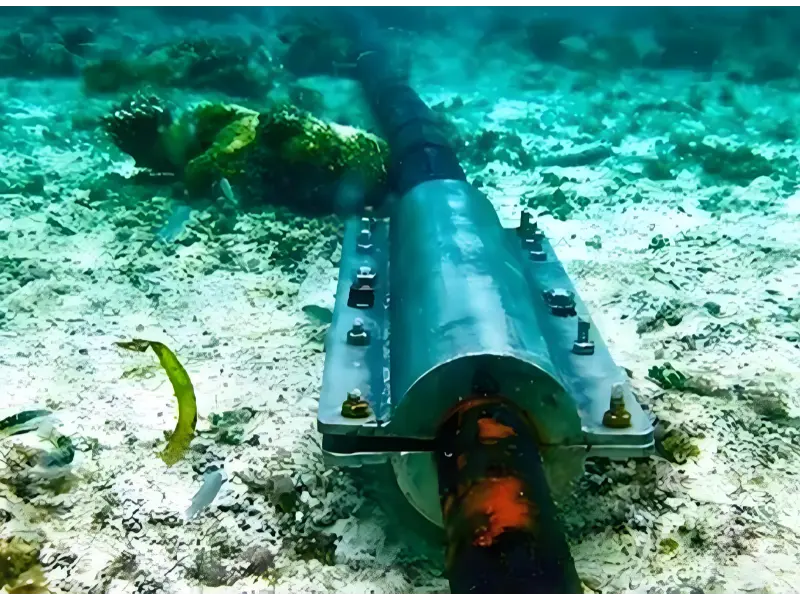
- Undersea cables enable global internet, telecommunications, cloud services, and financial transactions.
- They support streaming, global trade, and secure government communications, driving the modern digital economy.
Undersea cables, also called submarine cables, are fundamental to the modern world’s communication infrastructure. These cables, running beneath the oceans, form the backbone of global data transmission. They connect continents and countries, making international communication, internet access, and global services possible. In this article, we’ll explore the various uses of undersea cables and why they are crucial for a connected world.
Also read: Who owns undersea cables?
Also read: What are undersea cables made of?
What are undersea cables?
Undersea cables are fibre-optic cables that span the ocean floor, enabling high-speed data transmission between distant continents. These cables are made of thin glass fibres that carry light signals, which allows data to travel across vast distances at nearly the speed of light. Due to the extreme pressures, temperatures, and hazards of the deep ocean, undersea cables are built with multiple protective layers, ensuring they remain functional even in harsh environments.
The key uses of undersea cables
Global internet connectivity
One of the most important uses of undersea cables is providing global internet access. They facilitate the transfer of data across continents, enabling people to access websites, send emails, and use social media, no matter where they are in the world. The majority of global internet traffic travels through undersea cables, making them essential for our daily digital lives.
Without these cables, global internet traffic would rely on less efficient technologies, such as satellites or radio signals, which are slower and less reliable. As internet usage grows, the importance of undersea cables continues to increase, ensuring a high-speed, low-latency experience for users across the globe.
Telecommunications
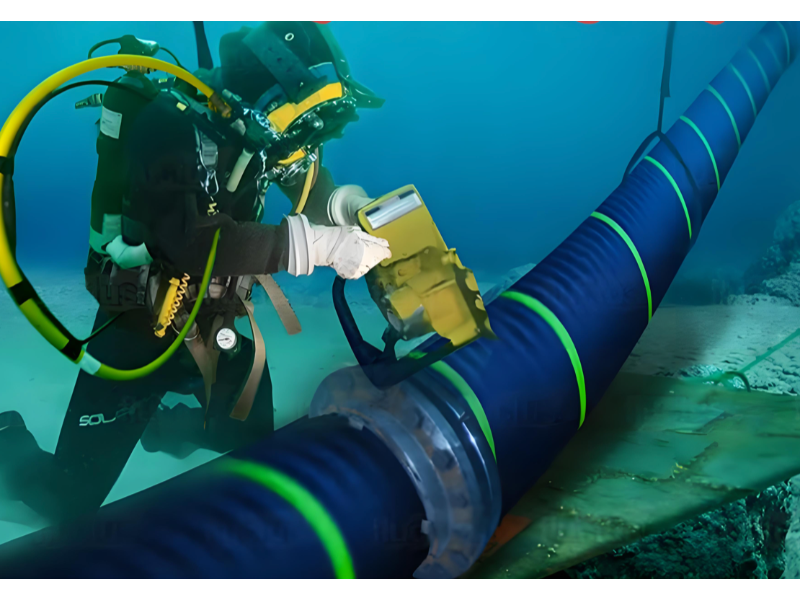
Undersea cables have been a core part of international telecommunications for decades. They were initially used to carry long-distance telephone calls, and today, they support voice, data, and video communication across borders. While satellite communication still plays a role, undersea cables remain the most efficient and cost-effective solution for transmitting telecommunications data.
Mobile networks also rely heavily on undersea cables to carry the increasing amount of mobile data. Video calls, text messaging, and mobile internet all depend on these cables, making them essential for modern mobile communication.
Also read: Is the internet connected by undersea cables?
Data storage and cloud services
As the world shifts toward cloud computing, undersea cables play a crucial role in connecting data centres globally. Leading cloud service providers, such as Amazon Web Services (AWS), Microsoft Azure, and Google Cloud, use undersea cables to interconnect their data centres, ensuring data can be accessed quickly from anywhere.
When you store data on the cloud, it may be stored in data centres located thousands of miles away. Undersea cables allow users to retrieve this information almost instantaneously, even across continents. This seamless connectivity is vital for businesses that depend on real-time access to data, as well as for individuals who rely on cloud storage for their personal files.
Financial transactions
Undersea cables are also integral to the global financial system. Financial institutions, such as banks and stock exchanges, rely on these cables to transmit sensitive data, including financial transactions and market updates, at high speeds. This ensures that financial markets remain synchronised and that transactions are processed in real-time.
In today’s fast-paced financial world, speed is critical. Undersea cables allow for instantaneous transactions, meaning that stock trades, currency exchanges, and international payments can be made almost instantaneously. The cables also ensure that financial data is encrypted and transmitted securely, protecting sensitive information from potential cyber threats.
Streaming services and content delivery
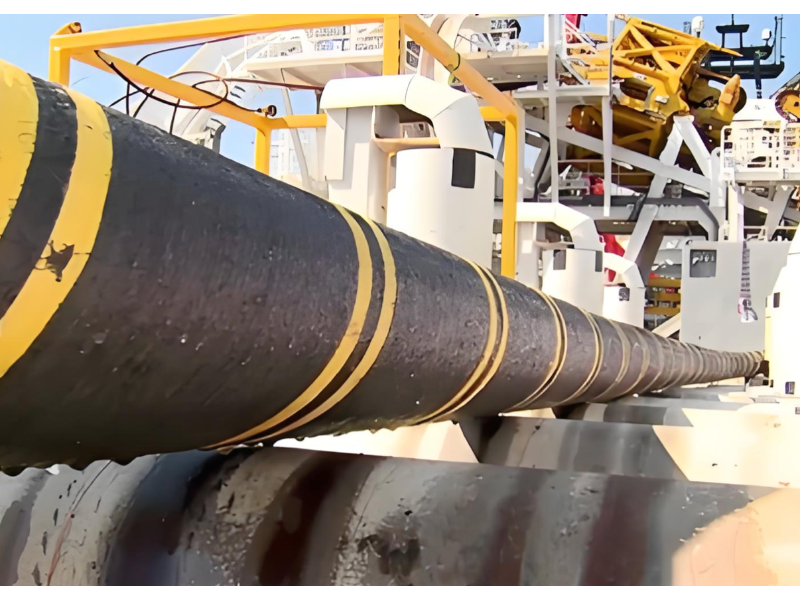
The rise of online streaming services, like Netflix, YouTube, and Spotify, is another reason undersea cables are indispensable. These services deliver high-definition video, music, and other content to users across the globe. Undersea cables carry enormous amounts of data required for streaming, ensuring smooth and uninterrupted viewing experiences.
For example, when you stream a movie from Netflix, the data is often transmitted via undersea cables from a data centre to your device. The large bandwidth of these cables allows for the delivery of HD and 4K content, preventing buffering and enhancing the user experience.
Global trade and e-commerce
Undersea cables also play a vital role in global trade. The global supply chain, e-commerce platforms, and international business operations rely on undersea cables to function. These cables ensure that international transactions, inventory systems, and real-time data exchanges between businesses happen without delay.
E-commerce platforms like Amazon, Alibaba, and eBay depend on undersea cables to serve their global customer bases. These cables facilitate secure payments, efficient order processing, and reliable delivery tracking, all of which are essential for the success of global e-commerce.
Military and government communications
In addition to commercial and personal uses, undersea cables are crucial for national security. Governments use them to transmit classified information securely and efficiently. These cables carry diplomatic communications, military intelligence, and other sensitive data between countries, ensuring that national security operations remain protected.
The military also uses undersea cables for communication between bases, fleets, and command centres. These cables are often a more secure and reliable communication method compared to satellites or wireless networks, which can be more vulnerable to interference.
The ongoing role of undersea cables
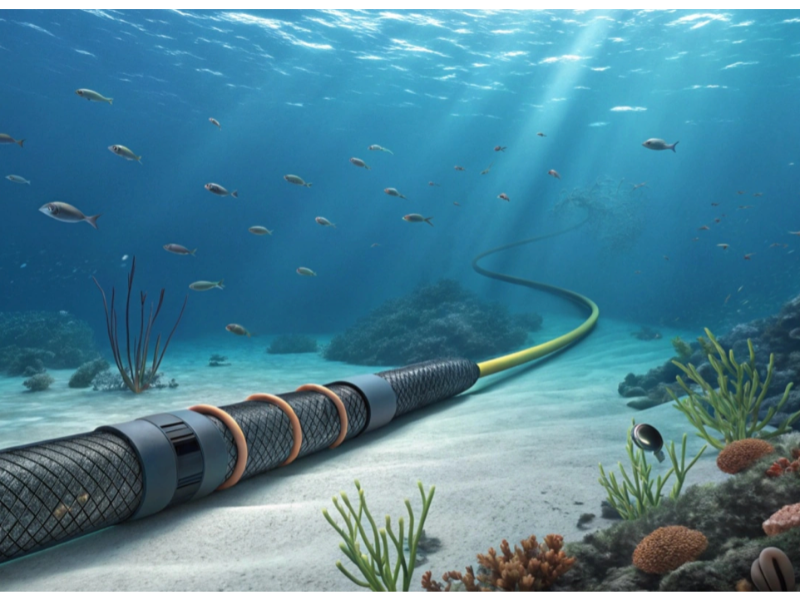
Undersea cables are the invisible infrastructure that powers much of our connected world. They enable global communication, secure financial transactions, and the seamless delivery of digital content. They support international trade, e-commerce, and government operations, making them indispensable to the modern economy. As the digital world continues to grow, undersea cables will remain at the heart of global connectivity, ensuring that the world stays connected in a fast, secure, and efficient way.
Also read: Undersea cables and global tensions: A geopolitical tug-of-war
The future of undersea cables
As the demand for data continues to rise, especially with the increasing use of cloud services, streaming, and the Internet of Things (IoT), the need for undersea cables will only grow. New cables are constantly being laid to support the growing data demand, and innovations are being developed to make them faster and more resilient.
For instance, next-generation undersea cables are being designed to carry even higher volumes of data with lower latency. These advancements will help meet the demands of an increasingly connected world, ensuring that the infrastructure can keep up with emerging technologies like 5G, artificial intelligence, and big data.