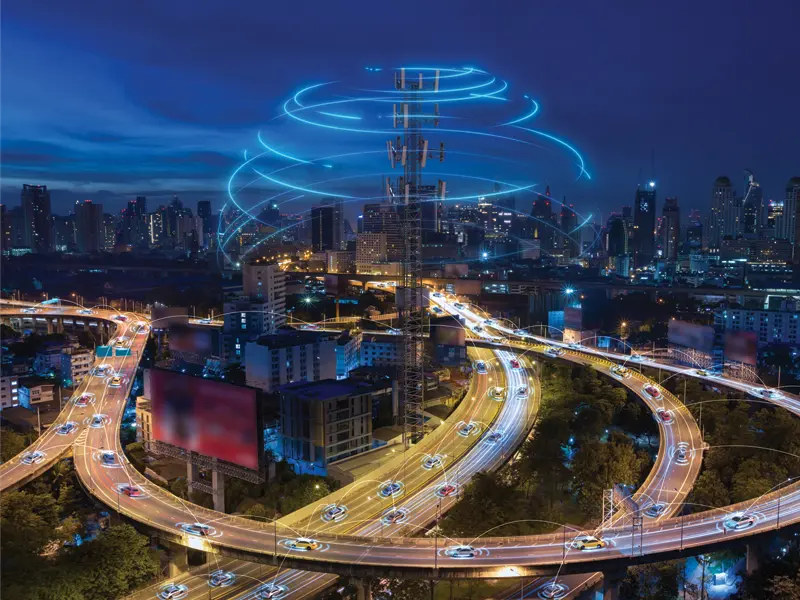
- A smart city is a modern urban environment that leverages advanced technologies like IoT, data analytics, and AI to enhance infrastructure, services, and citizen engagement, aiming to create a more efficient, sustainable, and resilient community.
- Key components include smart transportation, data-driven governance, sustainable infrastructure, citizen engagement, and robust cybersecurity measures.
In the age of rapid urbanisation, smart cities are emerging as technology services to modern challenges. These forward-thinking urban environments leverage technology to improve infrastructure, enhance services, and boost sustainability. From smart transportation systems to data-driven energy management, let’s explore what makes a city truly smart.
Understanding the concept of a smart city
A smart city is a modern urban environment that utilises advanced technologies, such as Internet of Things (IoT) devices, data analytics, and artificial intelligence, to enhance the quality of life for its residents. These technologies are integrated into city infrastructure and services to optimise operations, improve sustainability, and engage citizens in civic processes. The goal is to create a more efficient, resilient, and responsive urban space that can adapt to the needs of its community.
Also read: The best smart home devices for seamless living
Also read: Are smart home devices safe? Unraveling the security landscape
Key components of smart cities
Smart transportation systems
One of the most visible aspects of a smart city is its transportation network. Smart cities implement intelligent traffic management systems, real-time public transit tracking, and integrated multimodal transport options to reduce congestion and improve travel times. For example, Barcelona’s Bicing bike-sharing system uses IoT sensors to monitor availability and manage distribution efficiently.
Data-driven governance
Smart cities collect vast amounts of data from sensors, cameras, and other IoT devices to inform decision-making processes. This data is used to optimise services, predict maintenance needs, and identify areas for improvement. In Singapore, the government uses data analytics to monitor and manage everything from traffic flows to energy consumption.
Sustainable infrastructure
Sustainability is a core component of smart city design. Cities like Copenhagen focus on renewable energy sources, green building practices, and efficient waste management systems. Smart grids and smart meters enable better energy distribution and consumption, while green spaces and urban forestry projects help mitigate the urban heat island effect.
Citizen engagement
Engaging citizens is crucial for the success of smart city initiatives. Mobile apps, online portals, and social media platforms are used to communicate with residents, gather feedback, and encourage participation in civic activities. Amsterdam’s Smart Citizen Kit, for instance, allows residents to measure environmental conditions and share data with the city.
Cybersecurity measures
As cities become more connected, cybersecurity becomes increasingly important. Smart cities must implement robust security measures to protect sensitive data and prevent cyberattacks. This includes secure networks, encryption protocols, and regular security audits.
Challenges and opportunities of smart cities
While the concept of smart cities presents numerous opportunities, there are also significant challenges to overcome. Privacy concerns, data security, and the digital divide are critical issues that need addressing. Ensuring equitable access to technology and services is essential to avoid exacerbating existing inequalities.
Moreover, the development of smart cities requires collaboration between governments, private sectors, and communities. Public-private partnerships can drive innovation and investment, while community engagement ensures that smart city projects meet the needs of all residents.
The future of smart cities
As technology continues to advance, the possibilities for smart cities are expanding. Emerging technologies such as 5G networks, edge computing, and machine learning will enable even more sophisticated applications. However, the true success of smart cities lies in balancing technological advancement with human-centric design.
The future of smart cities promises a more connected, sustainable, and inclusive urban environment. By harnessing the power of technology, cities can become resilient ecosystems that thrive in the face of global challenges, from climate change to rapid urbanisation.