•UK minister joined industry and education leaders to promote training and careers in the subsea cable sector
•Government and industry treating subsea cable workforce development as a long-term infrastructure priority alongside network investment
The fact
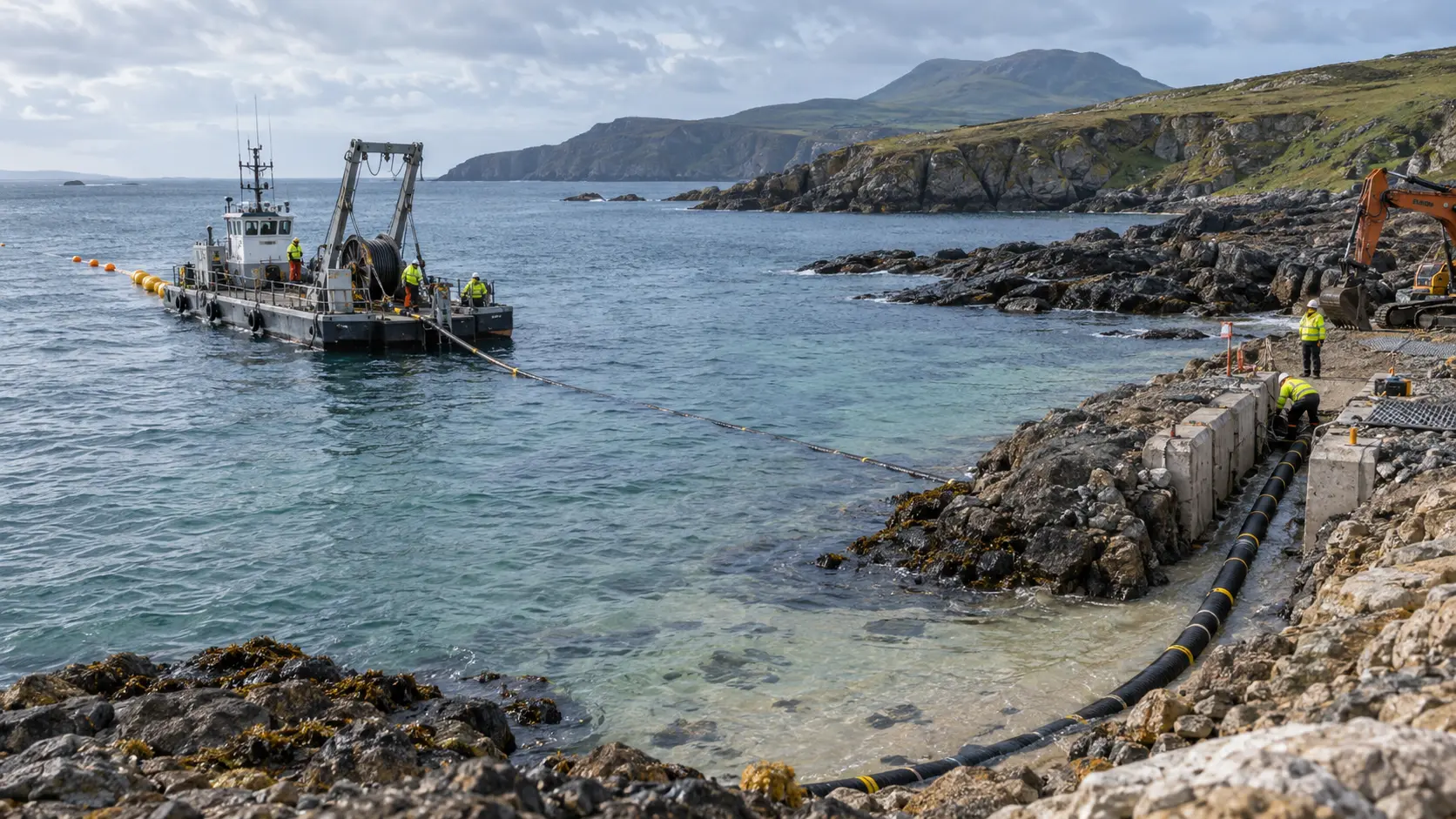
Baroness Liz Lloyd, the UK's Minister for the Digital Economy, attended the Subsea Cables Summer Reception at BT Tower, where government, industry and education representatives met to discuss workforce development for the subsea cable sector. The event was hosted by BT in partnership with the European Subsea Cables Association (ESCA), the International Cable Protection Committee (ICPC) and the SubOptic Foundation.
The event promoted apprenticeships, vocational training and graduate pathways to help develop the skilled workforce needed to install, maintain and protect subsea cable networks. Lloyd said resilient subsea infrastructure depends on investment in the people who build, maintain and protect those networks.
The assessment
Subsea cable resilience depends on specialist engineers and marine technicians as much as on physical hardware. The UK government's participation in this event signals that workforce development is shifting from a purely industry concern to a shared government–industry priority. That shift matters because the sector faces an ageing workforce and a growing skills shortage, just as governments across Europe and beyond are treating digital infrastructure as a matter of national security and economic competitiveness.
Apprenticeship schemes and university partnerships introduce structured pathways into roles that have traditionally relied on on-the-job experience and maritime careers. For BTW readers, this signals that workforce planning is starting to sit alongside cable-laying, landing-station development and routing decisions in how long-term subsea network resilience is assessed and funded.
What to watch
Watch for UK government funding commitments to subsea cable apprenticeships and formal education partnerships with specialist maritime training colleges. Industry responses to these programmes will show whether workforce development becomes a lasting pillar of subsea cable policy and critical-infrastructure planning.