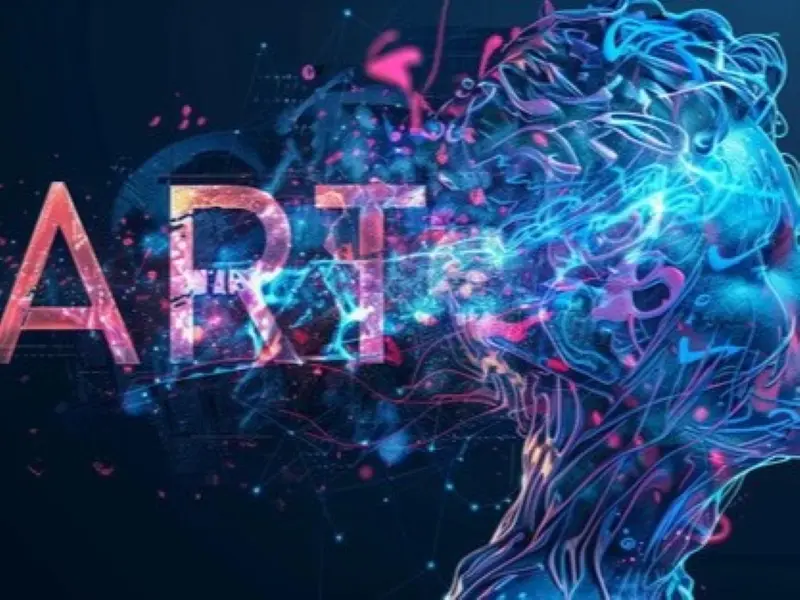
- The scepticism and resistance towards AI art stem from artists’ desire to protect and preserve the integrity, authenticity and creative spirit.
- From intellectual property concerns to artistic value debates, the rise of AI in art necessitates thoughtful consideration.
As artificial intelligence continues to advance, its applications are stretching into new and unexpected areas, including the world of art. AI-generated art has become a topic of fascination and debate, captivating both technology enthusiasts and the art community. It also raises several significant issues. In this blog, we’ll explore why AI art is a problem and examine the challenges and implications associated with this emerging technology.
Why AI art is a problem
Intellectual property and copyright concerns: One of the most pressing issues surrounding AI art is the question of intellectual property and copyright. AI-generated art often draws on vast datasets of existing artworks, styles, and designs. This raises critical questions about originality and ownership:
- Originality vs. derivatives: AI art can closely resemble existing works or styles, blurring the lines between original creation and derivative work. This creates uncertainty about who holds the rights to AI-generated pieces—whether it’s the AI developer, the user, or the original artists whose works influenced the AI.
- Copyright infringement: With AI capable of producing art that closely mimics existing styles, determining whether a piece infringes on copyright can be challenging. The legal landscape for AI art is still evolving, and traditional copyright laws may not adequately address the complexities introduced by AI.
Also read: The evolution of DALL-E: A journey through AI art history
Also read: YouTube permits requests for removing AI-generated content
Ethical implications and artistic integrity: AI art challenges traditional notions of creativity and artistic integrity. Art has historically been a reflection of human experience, emotion, and intent. AI-generated art, created by algorithms rather than human minds, raises questions about the authenticity and value of creative expression. With AI generating art, attributing credit becomes problematic. The question of who should be recognised for AI art—the programmer, the user, or the AI itself—complicates the traditional artist-critic relationship and undermines the personal connection between artist and artwork.
Quality and artistic value: The quality and value of AI-generated art are topics of ongoing debate. While AI can produce visually striking pieces, it may lack the emotional depth and personal touch of human-created art. AI operates based on patterns and data, which may result in technically impressive but conceptually shallow works. Besides, the intrinsic value of art often stems from the artist’s process, intention, and personal story. AI art may lack these elements, raising questions about whether it can hold the same artistic significance as human-created works.
Legal and regulatory challenges
The legal framework for AI art is still in development:
Regulatory gaps: Existing laws may not fully address the complexities of AI art, leading to legal uncertainties and potential disputes over copyright and intellectual property rights.
Enforcement issues: Enforcing intellectual property rights in the context of AI-generated art can be challenging due to the rapid advancement of technology and the global nature of digital content.