
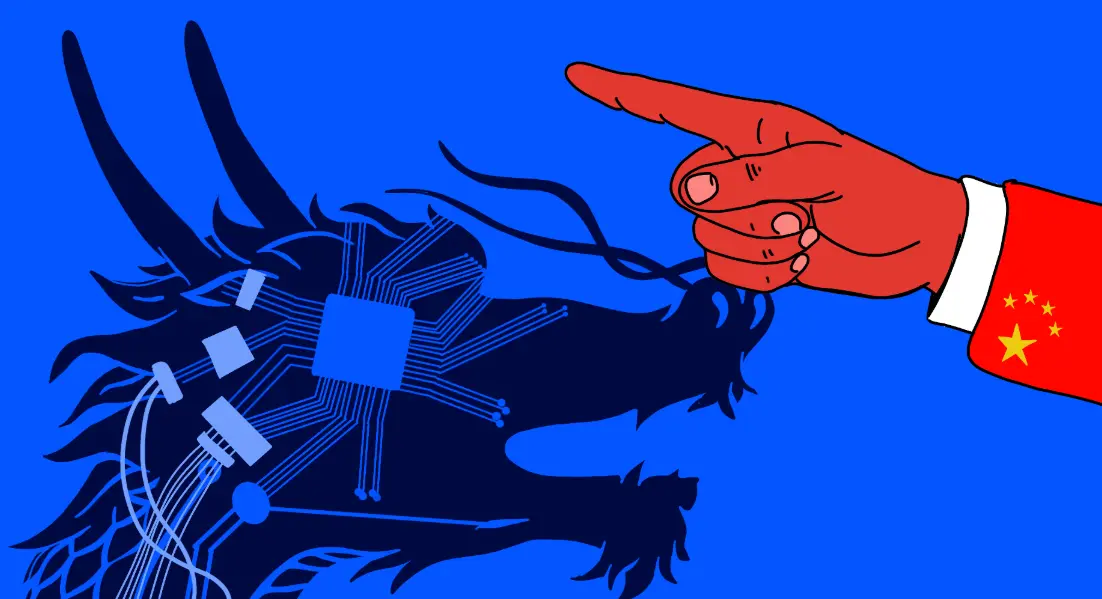
- The ban prohibits the use of hardware and software from companies including Alibaba, Temu, Shein and TP-Link on state-issued devices.
- The move reflects growing US state-level scrutiny of Chinese technology over data privacy and national security risks.
What happened: Texas imposes tech ban on Chinese products
Texas Governor Greg Abbott announced on 26 January 2026 that the state will bar its employees from using certain Chinese-linked technology products and services on state-owned devices and networks, saying the move is necessary to protect the “privacy of Texans” from potential access by the Chinese government. The ban affects both hardware and software from a group of Chinese companies, including e-commerce platforms Alibaba and Temu, networking firm TP-Link, online fashion retailer Shein, battery maker CATL, drone manufacturer Autel, and artificial intelligence firm iFlyTek.
According to the governor’s statement, the restrictions apply to the use of equipment, artificial intelligence technologies and software developed by these companies on any state-owned devices or networks, effectively preventing their products from being used in routine government operations. Abbott framed the decision as a privacy and security measure, asserting that data harvested through these technologies could be accessed or exploited by foreign authorities.
None of the companies named in the ban had immediately responded to Reuters’ requests for comment at the time of reporting. Analysts say this is part of a wider trend in US public policy at both federal and state levels to scrutinise Chinese technology firms amid ongoing concerns about data security.
Also Read: https://btw.media/en/allit-infrastructure/uk-tightens-rules-on-unsolicited-nude-images/
Why it’s important: data privacy, security and digital policy
The ban underscores how digital privacy and geopolitical tensions are shaping technology policy at state levels in the United States. While national governments — including the US federal government — have weighed measures against certain foreign technologies, state governments like Texas are increasingly asserting their own restrictions, particularly for devices and systems they control. This reflects a broader sense of caution when it comes to foreign-built technology and its potential to collect and transmit sensitive information.
Critics of such bans argue that limiting technology use based on company origin can have unintended operational consequences for government agencies and may complicate procurement processes. For example, employees accustomed to using certain productivity or connectivity tools may have to transition to alternatives, potentially creating friction or raising costs. Furthermore, states must consider how to enforce such bans across devices that may be personally owned but used for work, raising legal and compliance questions.
From a privacy standpoint, expert voices have emphasised that data governance frameworks and contractual safeguards — rather than outright prohibition — can sometimes offer more flexible protection while preserving functionality. However, states may view proactive bans as a clearer, enforceable line in the context of evolving cyber and data security environments.
The Texas decision follows earlier high-profile actions, such as state bans on Chinese-owned social media platforms and technologies deemed to pose data privacy risks, suggesting a reinforcement of sub-national digital sovereignty strategies.
Also Read: https://btw.media/en/allinternet-governance/ofcom-enforces-online-safety-act/