
SplashLearn’s Sumit Bansal reveals AI testing will redefine EdTech QA is profiled by BTW Media because published evidence links it to internet infrastructure, governance, operational dependencies, or market visibility.
SplashLearn’s Sumit Bansal reveals AI testing will redefine EdTech QA is tracked as a internet infrastructure institution within the internet infrastructure ecosystem.
SplashLearn’s Sumit Bansal reveals AI testing will redefine EdTech QA has public-source relevance to network operations, governance, dependency mapping, or market structure.
SplashLearn’s Sumit Bansal reveals AI testing will redefine EdTech QA is tracked as a internet infrastructure institution within the internet infrastructure ecosystem.
Public-source signals support medium-impact monitoring for infrastructure visibility and dependency analysis.
SplashLearn’s Sumit Bansal reveals AI testing will redefine EdTech QA is profiled by BTW Media because published evidence links it to internet infrastructure, governance, operational dependencies, or market visibility.
Public-source signals support medium-impact monitoring for infrastructure visibility and dependency analysis.
| 0.90–1.00 | A | High — direct sources |
| 0.75–0.89 | A/B | Strong |
| 0.55–0.74 | B/C | Medium |
| 0.35–0.54 | C/D | Weak–medium |
| 0.10–0.34 | D | Weak signal |
| 0.00–0.09 | D | Internal monitoring |
Several public sources
- BTW’s exclusive: Sumit Bansal of SplashLearn shares that testing AI and machine learning systems will become essential for the future of EdTech platforms.
- BTW’s exclusive: Early QA involvement is crucial in ensuring seamless cross-platform experiences in AI-driven educational tools, says Sumit Bansal.
OUR TAKE
Sumit Bansal reveals that AI and machine learning will significantly change quality assurance in EdTech. Testing intelligent algorithms and adaptive learning systems will be crucial, with early QA involvement playing a key role in ensuring seamless, reliable educational platforms for young learners.
–Jasmine Zhang, BTW reporter
What happened
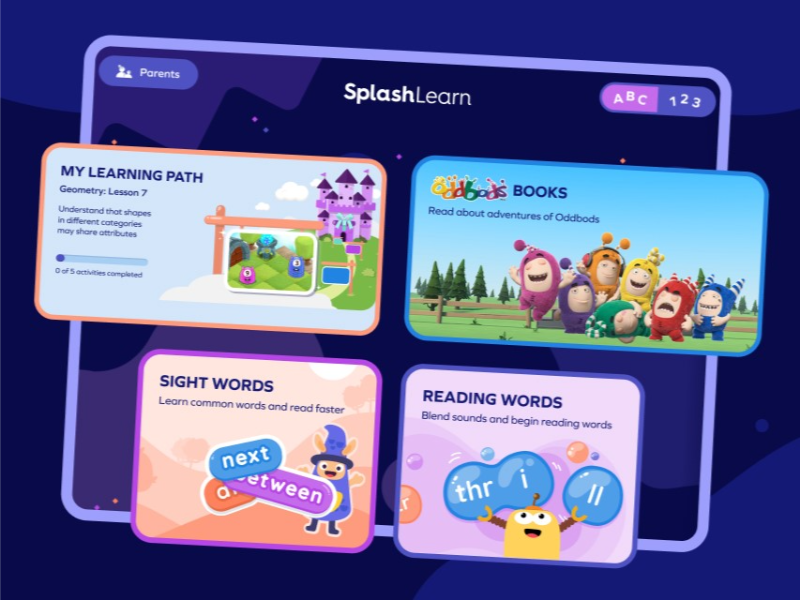
In an exclusive interview with BTW, Sumit Bansal, Technical Test Lead at SplashLearn, revealed that the future of EdTech will heavily depend on quality assurance (QA) for AI and machine learning systems. As educational platforms increasingly integrate these advanced technologies, Bansal explained that QA teams must develop new methodologies to test intelligent algorithms and adaptive learning systems. His team at SplashLearn is already addressing these challenges, particularly with the rise of real-time multiplayer features that require synchronised performance across various devices. Bansal emphasised the critical need for early QA involvement in the development process to prevent potential issues from impacting the user experience, especially for young learners who expect seamless, reliable educational tools.
Also read: Senior engineer reveals QA secrets: Human oversight remains vital amid AI’s QA rise
Why it’s important
Sumit Bansal’s emphasis on early QA involvement in product development underscores the proactive approach required to meet the growing complexities of testing intelligent systems. With platforms becoming more sophisticated, Bansal points out that the future of QA will not just be about finding bugs but ensuring that AI-driven features, like adaptive learning systems, function flawlessly. This evolution in QA is essential for maintaining the quality of educational tools in an increasingly tech-dependent sector. Bansal’s leadership in adapting to these changes positions him and SplashLearn at the forefront of EdTech innovation.
At A Glance
- Name: SplashLearn’s Sumit Bansal reveals AI testing will redefine EdTech QA
- Type: Internet infrastructure institution
- Base: Global
- Profile focus: Institution
What It Does
- Public records support monitoring of its role, services, and key relationships.
Why It Matters
- Public-source signals support medium-impact monitoring for infrastructure visibility and dependency analysis.
- Operational criticality: Medium
- Time horizon: Next quarter
What To Watch
- Monitoring focuses on verified service continuity, governance changes, and relationship signals.
Track verified source updates, role changes, and current public evidence.
Public-source signals support medium-impact monitoring for infrastructure visibility and dependency analysis.
Longer-term relevance depends on verified operating, policy, and relationship changes.
Member Briefing
Deeper Profile Context
Login is required to unlock the full profile briefing and source notes.
Only for Strategy Circle
Strategic Circle Access
Open to all readers. Unlock profile briefings after joining and logging in.
Join Strategic CircleOnly for Leadership Alliance
Leadership Alliance Access
For owners and management of IP-holding companies. Login required to unlock.
Join Leadership Alliance


