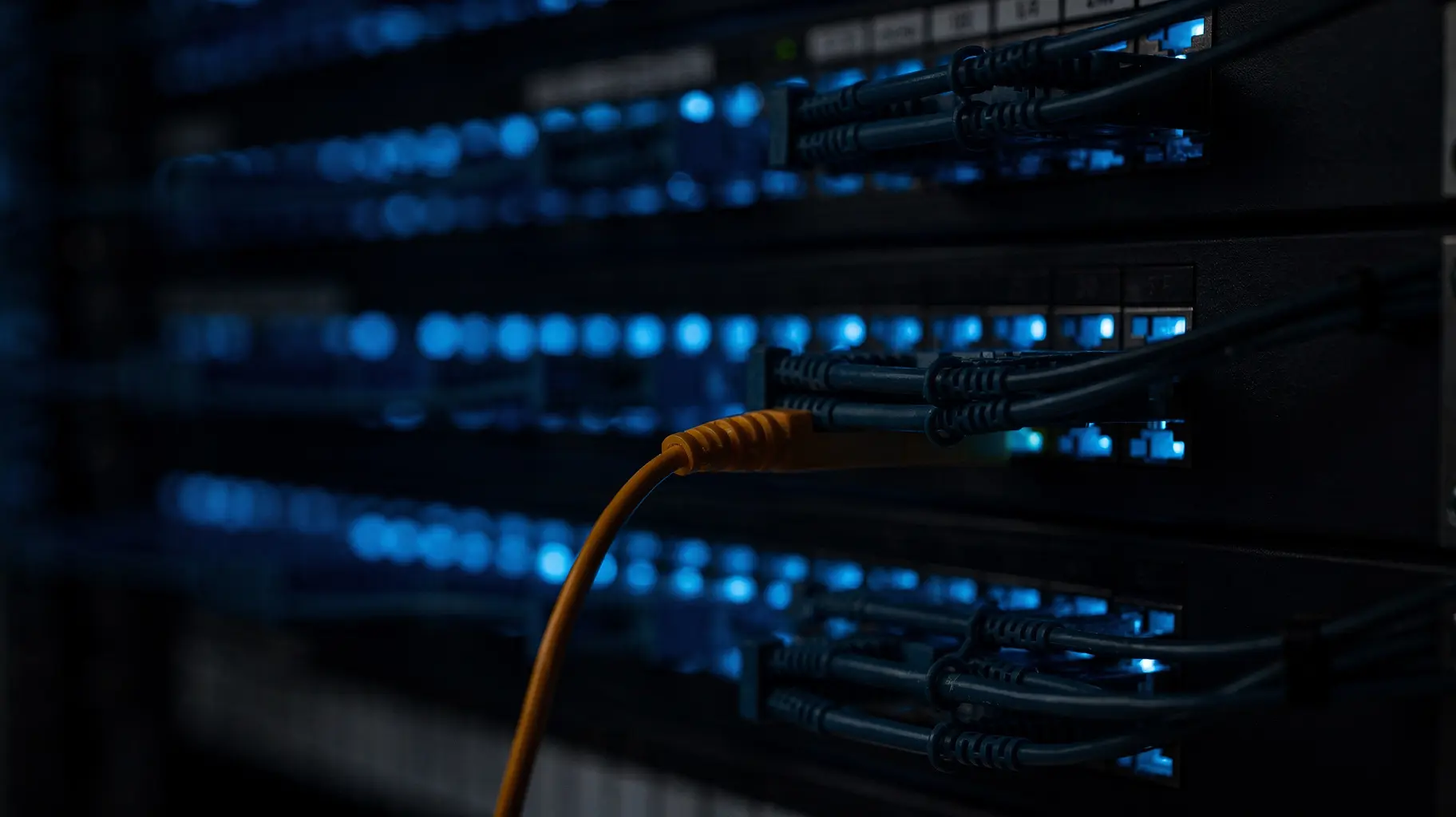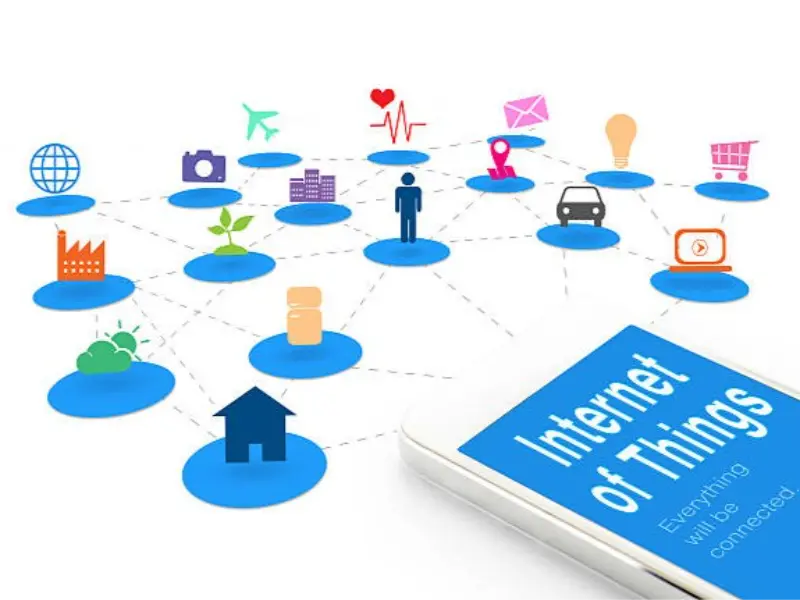
- Secure Connect ensures safe and encrypted communication between devices.
- Advanced authentication and encryption protocols protect data integrity.
Secure Connect is the encrypted pipe your revenue already flows through — and the invoice for it is quietly graduating from the IT budget to the board agenda. Strip away the vendor gloss and the mechanism is almost boring: prove who the device is, scramble the payload, wrap the traffic in a tunnel. What has changed is not the plumbing. It is the price of getting it wrong.
In an operating environment where a single intercepted session can cost more than a decade of subscriptions, encrypted connectivity has stopped being a nice-to-have and started being a cost of doing business. Secure Connect is the label the market has settled on for the bundle — and like every bundle, it is worth reading the line items before you sign.
What is Secure Connect? The mechanism behind the marketing
Definition and purpose. Secure Connect is a technology that establishes a secure, encrypted communication channel between devices over a network. Its job is narrow and unglamorous: make sure data in transit stays confidential and tamper-evident, so that interception is useless and alteration is detectable. For any organisation handling financial records, personal data, or proprietary business information, that narrow job is the whole ballgame.
The three components that actually do the work
Every Secure Connect deployment, whatever the brochure says, is assembled from the same three parts — and each one is a separate place where costs and failure modes accumulate.
Advanced authentication. This ensures only authorised users and devices get onto the channel. Methods such as multi-factor authentication (MFA) and biometric verification add layers that a stolen password alone cannot defeat.
Encryption protocols. Secure Connect applies strong encryption standards, such as Advanced Encryption Standard (AES), to encode data in transit, making the intercepted stream expensive to read and cheap to distrust.
Secure tunneling. Technologies such as Virtual Private Networks (VPNs) and Secure Sockets Layer/Transport Layer Security (SSL/TLS) create the encrypted tunnel the data travels through, shielding it from eavesdropping and interception along the path.
Also read: 4 network devices that secure API connections
Also read: WhatsApp’s new Nearby Share to enable file transfers without internet connection
The economics: why encrypted connectivity is now a budget fight
Here is the part the press release leaves out. Every additional security layer is a second set of keys, a second console, a second pager, and a second engineer who has to be on call at 3 a.m. The technology is cheap to license and expensive to operate — which is precisely why the market is consolidating around platforms that swallow authentication, encryption, and tunneling into one contract instead of three.
Buyers have learned to ask a sharper question than “is it encrypted?” They ask what the protection costs per workload, per site, per seat — and what it costs the day the console goes dark. Vendors that cannot answer in unit economics end up competing on acronyms, and acronyms do not survive a procurement review.
Enhanced data protection, priced honestly
Secure Connect delivers enhanced data protection by ensuring everything transmitted between devices is encrypted end to end. That matters most where the cost of a breach is measured in regulators, not apologies: it preserves the confidentiality and integrity of data that would otherwise be exposed the moment a session is intercepted.
Where Secure Connect earns its keep: four industries
The use cases are not exotic. They are the boring, high-value workflows that break loudly when the pipe leaks.
Healthcare. Protecting patient records and sensitive medical information from unauthorised access — where the penalty for leakage is measured in trust as well as fines.
Finance. Ensuring secure transactions and shielding financial data from cyber threats, in a sector where milliseconds and audit trails both carry a price.
Corporate. Facilitating secure remote work by giving employees encrypted connections back to corporate networks — the single largest driver of demand since the office stopped being a place.
E-commerce. Securing online transactions and protecting customer information at the exact moment a buyer decides whether to trust you with a card number.
What comes next: AI threat detection and post-quantum encryption
As cyber threats evolve, so does the technology underneath Secure Connect. The next round of advancement is likely to centre on integrating AI and machine learning (ML) to sharpen threat detection and response — moving security from static rules toward systems that notice the anomaly before the breach becomes a headline.
The longer-horizon bet is quantum encryption, which promises materially stronger protection once the hardware and standards mature. It is the correct long arc and the wrong reason to blow up a working architecture today: build for the future, but run the business on the encryption that already routes packets.
The winners in secure connectivity will not be the vendors with the longest acronym list. They will be the ones who can prove, on an invoice, that the pipe costs less than the breach it prevents.