
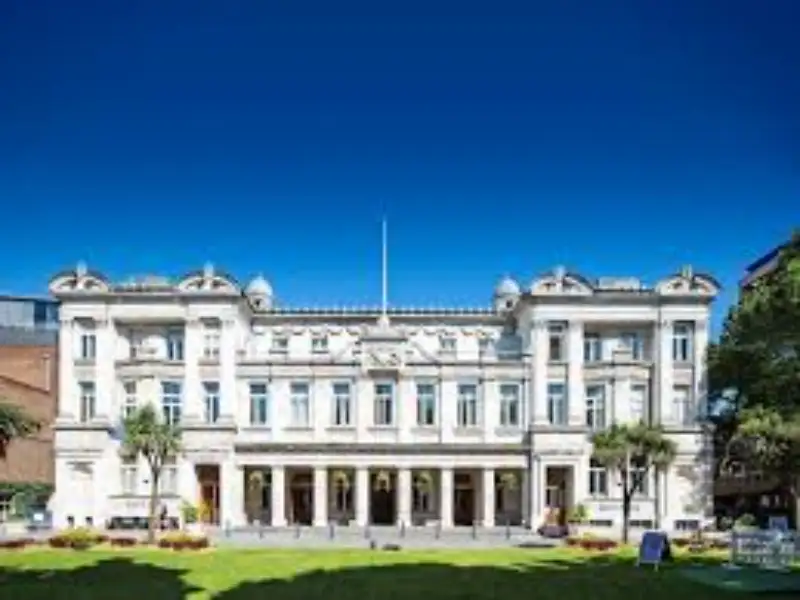
- QMUL repurposes data centre waste heat to provide campus-wide heating, cutting CO₂ emissions and supporting growing compute demand.
- The project highlights the environmental and operational benefits of heat reuse, though scalability may be limited by cost and infrastructure requirements.
What happened: Queen Mary University uses data centre waste heat for campus heating
Queen Mary University of London, working with Schneider Electric and Advanced Power Technology, has upgraded its data centre to capture waste heat and feed it into its district heating network. The system recovers heat and transfers it via water at 65–75 °C to heat the Joseph Priestley Building and provide hot water across the Mile End campus. The upgrade also improved the centre’s capacity, supporting 39 racks at 10 kW each to better handle high-throughput computing demands for CERN-related research.
Also read: Schneider Electric links with Nvidia to power modular AI data centres
Also read: Schneider Electric unveils data centre consulting service
Why it’s important
Reusing data centre heat for campus heating reduces fossil fuel use and cuts greenhouse gas emissions—approximately 553–625 tonnes of CO₂ annually. It also enhances energy efficiency and resilience while supporting the university’s compute-heavy research needs. However, replicating such systems requires site-specific infrastructure and scalable funding models. As a result, it may remain a niche solution, not a widespread approach across all campuses.