Summary
- RFC 1855, October 1995, Informational and numbered FYI 28, offers "a minimum set of guidelines for Network Etiquette (Netiquette) which organizations may take and adapt for their own use", produced by the IETF's Responsible Use of the Network working group.
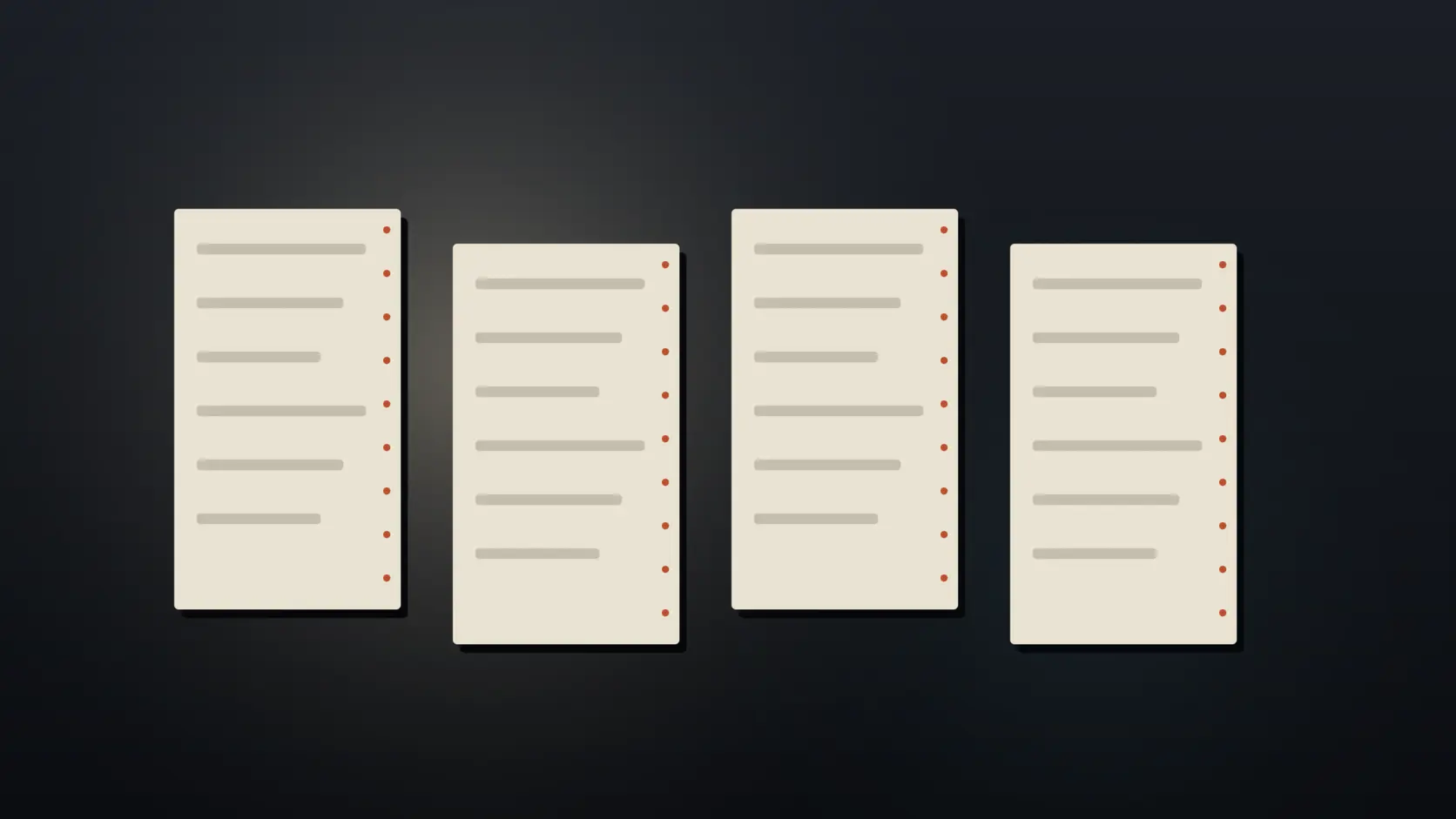
- The form is the argument: the document is "deliberately written in a bulleted format to make adaptation easier and to make any particular item easy (or easier) to find".
- Its advice is attached to the machinery of 1995. Keep signatures "no longer than 4 lines", because "many people pay for connectivity by the minute"; use smileys sparingly; post anonymous material only if it would be acceptable under your own name.
Manners published as a draft you can edit
A standard says what must be true. An etiquette guide says what a community expects, and communities differ, so the document chose a list of small separable sentences rather than a code.
The bullet format is a technical decision about adoption. A paragraph must be taken whole; a bullet can be dropped, rewritten, or pasted into a corporate handbook without carrying the rest along.
Every rule carried its receipt
The signature limit is four lines because connectivity was billed by the minute in 1995, and a long signature cost the reader money. The warning about monospaced diagrams is there because proportional fonts were arriving and ASCII art was breaking.
This is unusually honest advice. Each rule names the mechanism that makes it true, which also dates it: when the mechanism changes, the reader can see that the rule was about the mechanism.
What survived its reasons
Some of the guidance did not depend on the machinery. Wait overnight before sending an emotional message. Use a smiley for tone but do not assume it repairs an insult. Remember that anonymous posting is still posting.
Those lines are about the gap between what a sender feels and what a reader receives, and that gap has not changed with bandwidth, font or platform.
Why etiquette ages differently from protocol
A protocol that stops matching the network fails visibly. Etiquette that stops matching the network fails invisibly, because nobody tests manners, and the document keeps being quoted as though unchanged.
RFC 1855 has stayed where it was published, in a category that does not get revised. It is cited in abuse policies and employee handbooks, usually without mentioning that its examples were written for per-minute dial-up and four-line signatures.
How a network governs behaviour
The internet has never had an enforcer of manners. It has had documents like this one, plus the social systems around them: moderators, postmasters, and the ordinary cost of being disliked.
RFC 1855's design reflects that. It does not ask to be obeyed; it asks to be copied, edited and put into the place where a community actually enforces things, which is a description of how behaviour on this network has always been managed.
Member Briefing
Read the full trend briefing
Members read the full briefing with the source notes behind every finding.
Strategic Circle
A daily briefing in your language, built from changes we have verified.
Join for USD 20/monthCancel anytime.
Members also get the full research library, a daily briefing on the networks they follow and the private forum.