

- Digital transformation is the recent trend in healthcare space, where people have started leveraging digital assets. It is the process of introducing digital technologies in all aspects of healthcare business – payer operations, provider operations, member interactions, etc.
- It is more of a cultural change and enables improvement in business agility, thereby improving operational excellence and patient experience, and reducing costs.
- Driven by the need for value-based care, the healthcare industry is seeing a major shift towards digital transformation. Digital transformation is aimed at bringing an enormous impact on a member’s health and quality of life in a positive way.
Healthcare is one of the world’s most important and broad industries. It is also one of the most slow-to-change. However, digital transformation has revolutionised the healthcare industry in recent years. Digital transformation uses digital technologies to improve business processes and create new products and services. In the healthcare industry, digital transformation improves patient care, reduces costs, and improves efficiency.
What is digital transformation in health industry?
Digital transformation in healthcare refers to the adoption of digital technologies aimed at improving healthcare delivery and addressing medical issues. This transformation encompasses changes related to the internet, digital tools, and their integration into new therapies and best practices for effective health management.
Utilising digital technology enables healthcare systems to innovate and enhance patient care while also optimising medical procedures. The collection and analysis of vast amounts of data can lead to improved patient outcomes and cost-effective services.
Moreover, digital technologies are reshaping medical education, offering new avenues for training healthcare professionals and creating opportunities for practitioners.
Digital health initiatives empower patients by involving them in the healthcare process, allowing them to make informed decisions about their well-being. Through access to online resources and digital health applications, patients can actively participate in managing their health and accessing relevant information.
Also read: 5 digital transformation challenges to overcome in 2024
Also read: What is digital transformation in healthcare?
The benefits of digital transformation in healthcare
There are many benefits to digital transformation in healthcare. Some of the most important benefits include.
1. Improved patient care
Digital technologies can be used to improve patient care in several ways. For example, iWebwiser helps to make the platform from where digital technologies can be used to collect and track patient data, which can help doctors and nurses make better decisions about patient care. Digital technologies can also provide patients with remote care, making accessing the care they need easier.
2. Reduced costs
Digital transformation can help to reduce healthcare costs in several ways. For example, digital technologies can be used to automate tasks, which can save time and money. Digital technologies can also improve efficiency, leading to reduced costs.
3. Improved efficiency
Digital transformation can help to improve efficiency in healthcare in several ways. For example, digital technologies can be used to automate tasks, which can save time and money. Digital technologies can also be used to improve communication and collaboration between healthcare providers, which can lead to improved efficiency.
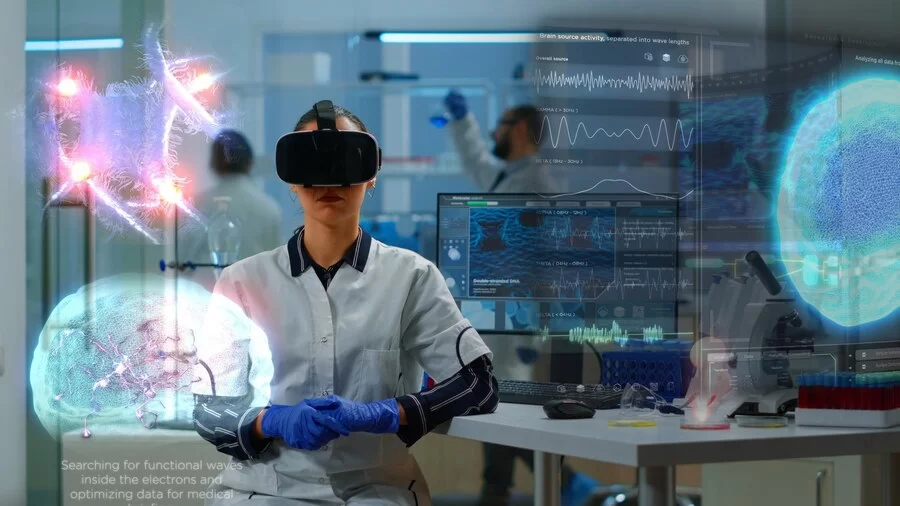
Impacts from digital transformation on the healthcare industry
In addition to the benefits and challenges mentioned above, digital transformation has several other impacts on the healthcare industry. These impacts include:
1.The rise of personalised medicine
Digital technologies make collecting and analysing large amounts of patient data possible. This data can be used to identify patterns and trends that can help doctors and nurses develop personalised treatment plans for patients.
2. The growth of telemedicine
Telemedicine uses telecommunications to provide healthcare services remotely. And iWebwiser used the latest technology to develop these types of platforms. iWebwiser has made telemedicine more affordable and accessible, and it is now being used to provide healthcare services in rural areas and other underserved communities.
3. The emergence of new healthcare startups
Digital technologies create new opportunities for healthcare startups. iWebwiser helps. These startups are developing technology services using digital technologies to improve patient care, reduce costs, and improve efficiency.
Digital transformation is a major force that is changing the healthcare industry. The benefits of digital transformation are clear, but some challenges need to be addressed. The future of healthcare is digital, and those who embrace digital transformation will be the ones who succeed.