
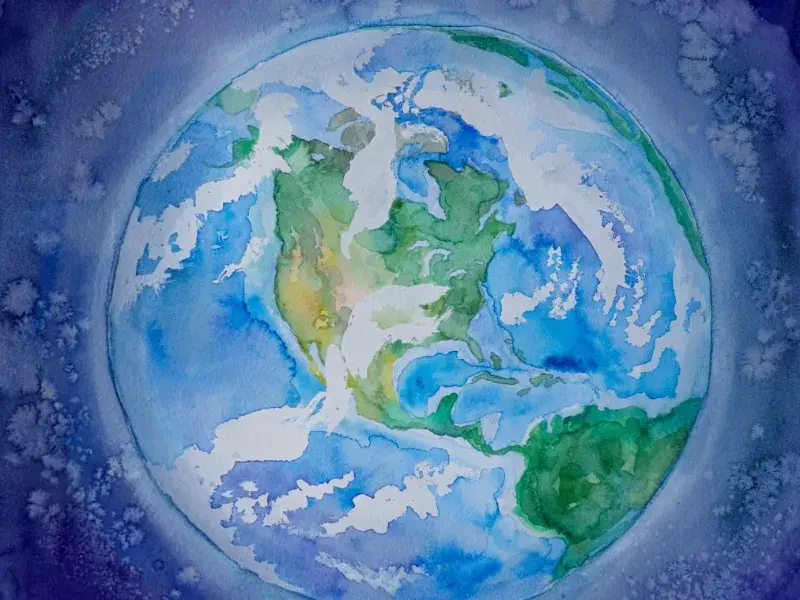
- Global connections are multifaceted linkages and interactions that extend across individuals, organisations, and nations on a worldwide scale.
- Globalisation has fundamentally transformed the way we connect with the world, creating opportunities for collaboration, exchange, and mutual understanding.
- While globalisation brings many benefits, it also presents challenges. Economic disparities, cultural clashes, and the loss of local identity are some of the concerns that have arisen.
OUR TAKE
Globalisation is not just about economic transactions or the spread of technology; it is about the connections it fosters between people, ideas, and cultures. It is these connections that will shape our collective future and define the true essence of our globalised world.
–Jinny Xu, BTW reporter
Globalisation is the process of increased interconnectedness and interdependence among countries, facilitated by the exchange of goods, services, information, and culture. It has transformed the world into a global village where distant places are no longer isolated but are part of a vast network of economic and social relations. Here’s a blog post that delves into how globalisation connects the world.
How globalisation connects the world
Globalisation has profoundly connected the world in various ways beyond just trade and communication. One important aspect of this is the movement of people. People can now travel more freely than ever before, leading to increased cultural exchange and diversity. This has enriched societies with new ideas, perspectives, and traditions, creating a more interconnected and inclusive global community.
Also read: Apple’s Vision Pro headset: Global expansion and advanced VR features
Globalisation has also transformed the way we consume products and services. With the rise of global supply chains and multinational corporations, we now have access to a wide range of goods from around the world. This interconnectedness has not only expanded consumer choices but has also increased our awareness of global issues such as labour rights, sustainability, and ethical production.
Globalisation has facilitated the spread of education and knowledge across borders. Students now have the opportunity to study in universities abroad, researchers can collaborate with colleagues from different countries, and innovations can be shared and scaled globally. This has led to advancements in various fields and has contributed to the collective progress of humanity.
Also read: DNeX, KTNET to enhance global trade facilitation services
Globalisation has also played a significant role in shaping cultural identities and fostering intercultural understanding. Through media, arts, and entertainment, people from different parts of the world can learn about and appreciate each other’s cultures. This has helped break down stereotypes and prejudices, promoting empathy and respect for diversity.
Challenges and opportunities
Global connections have revolutionised the way we live, offering unprecedented opportunities while presenting significant challenges. On the opportunity side, economic growth and innovation thrive through enhanced trade and investment, as businesses can now reach global markets with ease. Technological advancements spread rapidly, fostering collaborative research and development, and leading to breakthroughs that benefit humanity as a whole. Additionally, cultural exchange is richer than ever, with people gaining exposure to diverse traditions and perspectives, promoting global understanding and tolerance.
However, these connections also bring challenges. Economic disparities can widen as developed nations often benefit more from globalisation than developing ones, exacerbating inequality. The rapid spread of technology and information can lead to cybersecurity threats and the erosion of privacy. Cultural homogenisation poses a risk to local traditions and identities, as dominant cultures can overshadow smaller ones. Addressing these challenges requires concerted global efforts to ensure that the benefits of interconnectedness are shared equitably and that cultural diversity and security are preserved.