
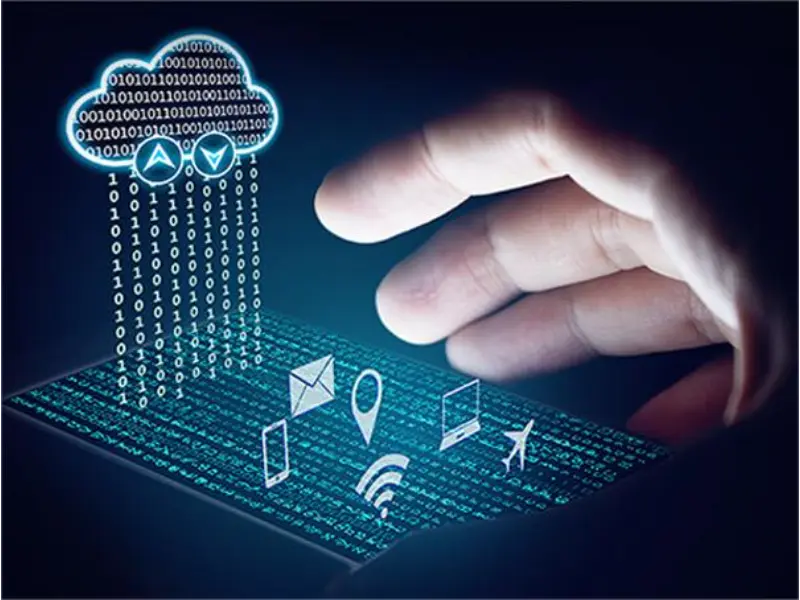
- The IoT refers to the pinching of various physical devices through the Internet to realise the intelligent interconnection between devices. And IoT devices are now portable, wearable, and implantable, creating a ubiquitous and connected universe.
- Cloud computing is a mode of providing computing resources and services to users via the Internet, allowing users to perform large-scale calculations and data processing without having a powerful computing infrastructure on-premises.
- Cloud computing provides a robust and scalable foundation for IoT deployments, empowering devices to collect, process, analyse, and act on data effectively while benefiting from centralised management, security, scalability, and cost advantages.
Every day of our lives we can see the Internet of Things (IoT) functioning. When you wake up in the morning, your watch monitors your sleep quality and real-time heart rate. Connected cars take information from surroundings to provide drivers with diagnostic information that can be acted upon quickly, and are equipped with built-in sensors that help with efficient parking.
With IoT devices playing a crucial part in our lives, what we don’t see is big data, cloud computing and other technologies enabling and enhancing the capabilities of these devices.
What are IoT devices and cloud computing?
The IoT refers to the pinching of various physical devices through the Internet to realise the intelligent interconnection between devices, and its core technology includes sensor devices, communication technology and cloud computing technology.
The concept of the IoT first appeared in 1995, “The Road Ahead” book of Bill Gates. Bill Gates mentioned the concept of the Internet of Things, but limited by the development of wireless networks, hardware and sensing equipment, did not cause the world to pay attention.
IoT devices are portable, wearable, and implantable devices, creating a ubiquitous and connected universe. Every day of our lives we can see IoT devices functioning: a thermostat with automated temperature control, a wearable device that can monitor heart rates, and a voice-activated street light. We can say IoT devices make up our lives.
Cloud computing is a mode of providing computing resources and services to users via the Internet. In cloud computing, computing resources such as servers, storage devices, and applications are consolidated into a virtual resource pool that users can access and use on demand. Cloud computing provides a high degree of scalability and flexibility, allowing users to perform large-scale calculations and data processing without having a powerful computing infrastructure on-premises.
Also read: How is cloud computing different from traditional IT infrastructure?
Powerful cloud computing benefits IoT
Cloud computing provides a robust and scalable foundation for IoT deployments, empowering devices to collect, process, analyse, and act on data effectively while benefiting from centralised management, security, scalability, and cost advantages.
Data Storage, process and analytics
Cloud computing provides scalable and cost-effective storage solutions for the massive amounts of data generated by IoT devices, including structured data (e.g., sensor readings, and device status) and unstructured data (e.g., images, and videos). Cloud storage allows IoT devices to offload data, ensuring efficient use of device resources and enabling long-term data retention and analysis.
Real-time stream processing, batch processing, and complex analytics algorithms can also be achieved by Cloud platforms. IoT devices can leverage cloud-based analytics to derive actionable insights, detect patterns, predict trends, and optimize operations based on data-driven decisions.
Also read: IJ’s SoftSIM integrates with Nordic to simplify IoT deployment
Scalability and flexibility
Cloud computing enables IoT deployments to scale dynamically based on demand. As the number of connected devices grows or fluctuates, cloud infrastructure can scale up or down seamlessly, ensuring reliable performance and resource optimization. This scalability also extends to accommodating diverse types of IoT devices and data formats.
Remote management and monitoring
Cloud-based management platforms allow centralized control, monitoring, and configuration management of IoT devices from anywhere with an internet connection. This remote management capability simplifies device deployment, updates, troubleshooting, and maintenance, leading to improved operational efficiency and reduced downtime.
Security and compliance
Cloud providers invest heavily in robust security measures, including data encryption, access controls, identity management, threat detection, and compliance certifications. By leveraging cloud security services, IoT devices can enhance data protection, mitigate cyber threats, and ensure regulatory compliance, addressing key concerns in IoT deployments.
Integration with other services
Cloud platforms facilitate seamless integration of IoT data with other enterprise systems, applications, and services. This integration enables cross-functional insights, automation of workflows, integration with business processes, and creation of value-added services for customers.