
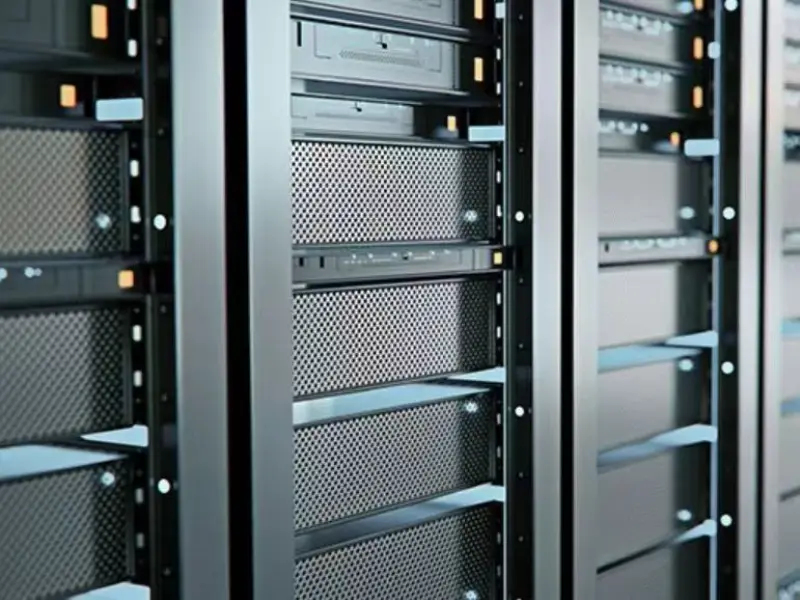
- A thorough evaluation of existing server hardware, software, data and network configurations is required before changing the location of an Internet server.
- Perform a full backup of all data before migration. Ensure the integrity and availability of the backed-up data.
- Perform continuous performance monitoring and optimisation after starting the new server. Adjust system configurations based on actual operating conditions to improve efficiency and stability. Legal and compliance issues also need to be considered when migrating servers.
Changing the location of an Internet server is a complex process involving relocation of physical hardware, migration of data, reconfiguration of network settings and ensuring continuity of service during the migration process.
Also read: What purposes does encryption serve on internet servers?
Preparation and planning phase
Firstly, a thorough assessment of the existing server hardware, software, data and network configuration is required. This includes understanding the physical specifications of the server, storage requirements, network bandwidth needs, and special hardware or software dependencies.
Based on the results of the assessment, a new data centre or server room is selected. Consider multiple factors when making the selection, such as location, cost-effectiveness, reliability, security, and regulatory compliance.
Develop a detailed migration plan that includes a timeline for the migration, resources required, allocation of responsibilities for each phase, and a risk management strategy. The plan should also include an emergency rollback scenario so that services can be restored quickly if something goes wrong during the migration.
Also read: Do proxy servers increase internet speed?
Data and application migration
Before migration, perform a full backup of all data. Ensure the integrity and availability of the backed-up data. Select an appropriate migration strategy based on the volume of data, business requirements and acceptable levels of downtime. This may include hot migration, warm migration or cold migration.
Hot migration means that servers are migrated in an operational state without affecting business continuity. Warm migration refers to performing the migration during low peak hours with temporary downtime. Cold migration refers to a server being migrated after a complete server shutdown, for situations where errors are not allowed to occur.
Migrate data and applications using migration tools and services such as database replication, File Transfer Protocol (FTP) or specialised data migration services.
Network configuration and testing
Begin by reconfiguring the network, including assigning new IP (internet protocol) addresses, updating DNS (domain name system) records, and setting up routing and firewall rules.
System integration testing is performed on the new server to ensure that all components and services are working properly. This includes internal network testing, external connectivity testing, and application functionality testing.
Perform continuous performance monitoring and optimisation after starting up the new server. Adjust system configurations to actual operating conditions to improve efficiency and stability.
Legal and compliance considerations
Ensure that the new data centre complies with relevant industry standards and regulatory requirements, such as ISO (International Organisation for Standardisation) certification and data protection regulations.
Assess the physical and network security of the new environment to ensure adequate security measures are implemented, including data encryption, access control and security monitoring.