
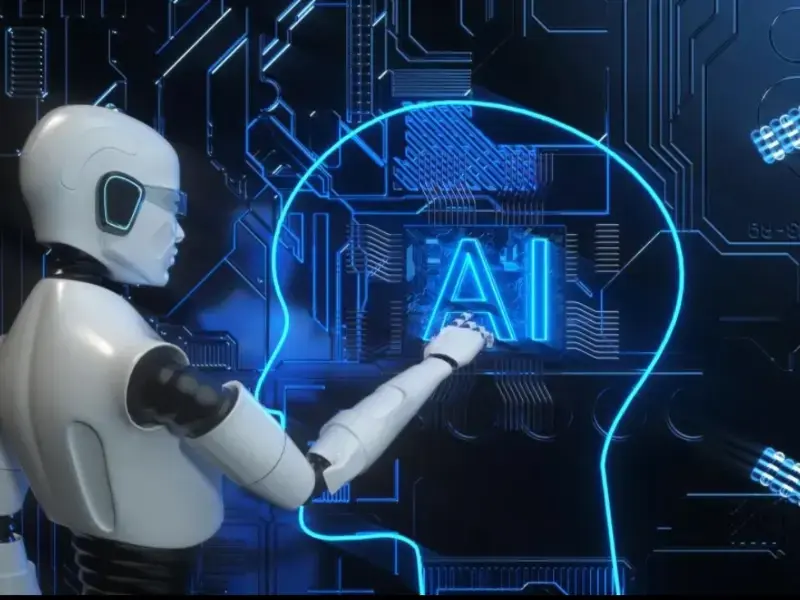
- A chatbot is a computer program designed to simulate conversation with human users, typically through text or speech interactions. These interactions can occur on various platforms, such as websites, messaging apps, or voice assistants.
- The connection between chatbots and conversational AI lies in the underlying technology that enables these systems to understand and respond to human language.
- The function of a chatbot is to interact with users in a conversational manner and fulfill specific objectives, whether it’s providing assistance, information, automation, or engagement.
Conversational AI chatbots can range from simple rule-based systems to more sophisticated models powered by deep learning techniques like neural networks.
They often incorporate features such as sentiment analysis to understand user emotions, context awareness to maintain coherent conversations over time, and integration with external systems to perform actions like booking appointments or making purchases.
Definition of chatbot
A chatbot is a computer program or artificial intelligence system designed to simulate conversation with human users, typically through text-based or speech-based interactions.
Chatbots can range from simple rule-based systems to more advanced models powered by natural language processing (NLP) and machine learning algorithms, enabling them to understand and respond to user inputs in a conversational manner. They are often deployed on websites, messaging platforms, or voice assistants to automate tasks, provide information, assist users, or engage in casual conversation.
Conversational AI chatbots leverage natural language processing (NLP) and machine learning algorithms to understand and respond to user inputs in a conversational manner. These chatbots can be deployed across various platforms such as websites, messaging apps, and voice assistants. They aim to provide users with personalised assistance, answer queries, perform tasks, and even engage in small talk, all while emulating human-like conversation patterns.
Also read: SoftBank uses call centre AI to calm the sound of angry customers
6 functions of chatbot
1. Customer support
Chatbots can provide automated assistance to users by answering frequently asked questions, troubleshooting issues, and guiding users through processes.
2. Information retrieval
Chatbots can fetch information from databases, websites, or other sources and provide relevant answers or recommendations to users’ queries.
3. Task automation
Chatbots can automate various tasks, such as scheduling appointments, making reservations, or placing orders, by interacting with users and backend systems.
4. Lead generation and sales
Chatbots can engage with website visitors or users on messaging platforms to qualify leads, provide product information, and facilitate sales transactions.
5. Entertainment and engagement
Chatbots can engage users in casual conversations, provide entertainment, or deliver personalised content to enhance user engagement and retention.
6. Feedback collection
Chatbots can solicit feedback from users, conduct surveys, or gather user preferences to improve products or services.
Also read: What is Edge AI?
Share common ground
Chatbots are the interface through which users interact with a system. They can be simple, rule-based programs that follow predefined scripts to respond to user inputs, or they can be more sophisticated, leveraging natural language processing (NLP) and machine learning algorithms to understand and generate human-like responses.
Conversational AI refers to the technology that powers chatbots and enables them to engage in natural language conversations with users. It encompasses a range of techniques, including NLP, machine learning, and sometimes even elements of artificial general intelligence (AGI), to understand user intent, context, and sentiment, and generate appropriate responses.
Chatbots are the front-facing interface, while conversational AI provides the underlying intelligence that enables chatbots to understand and respond to human language in a conversational manner.