
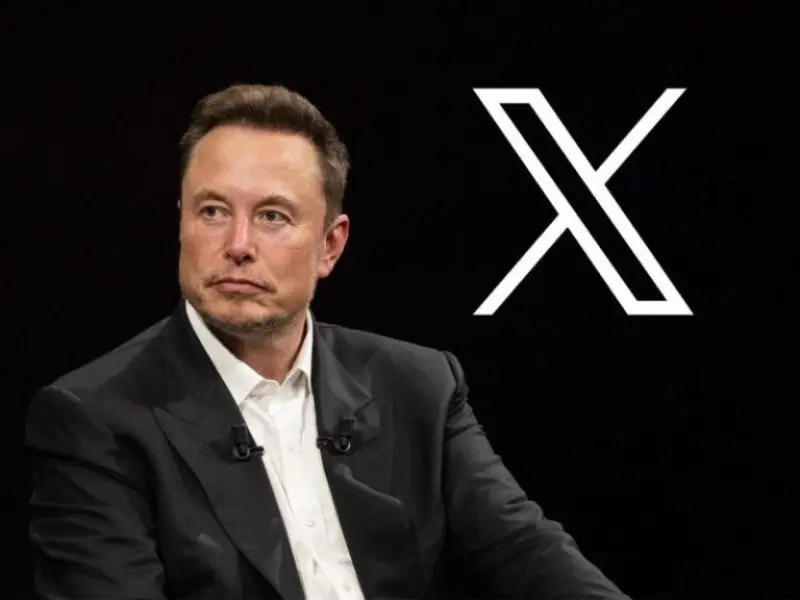
- The Guardian has announced it is pulling out of the X social platform, citing its failure to curb racism and misinformation
- The decision reflects news organizations’ dissatisfaction with the social platform’s content management policies
What happened
The UK news publisher ‘The Guardian‘ announced on Wednesday (November 13) that it will no longer post on X, citing “disturbing content” on the social media platform, including racism and conspiracy theories.
The Guardian has over 80 accounts on X, with approximately 27 million followers. The publication made it clear that the platform’s proliferation of racist content and conspiracy theories had made the environment unacceptable. In an editorial published on its website, The Guardian stated: “We believe the benefits of being on X have been outweighed by the harms, and we can better use our resources to promote our journalism elsewhere.”
This move follows changes to X’s management policies. Particularly after Elon Musk‘s acquisition, which led to a weakening of the platform’s content moderation system. The media industry is closely watching this development. As it may prompt more news organizations to reassess their relationships with social media platforms.
Also read: Guardian will no longer post on Elon Musk’s X from its official accounts
Also read: Guardian quits X social media platform, citing racism and conspiracy theories
What it’s important
The Guardian’s decision to exit X is not just a response to the platform’s poor content management. It also reflects the growing challenges of content governance on social media platforms worldwide. As social platforms continue to expand their influence on free speech and the flow of information, the issue of how to balance protecting users from harmful content with allowing freedom of expression has become a pressing concern. In the absence or inefficacy of platform management, media organizations like The Guardian choosing to withdraw is, in fact, speaking out on behalf of the wider industry.
This is asking the platform to assume greater social responsibility.
This phenomenon is not limited to large organizations like The Guardian. Small companies and independent creators also face similar challenges. For instance, people have recently criticized creator platforms like Patreon for failing to adequately handle misinformation and malicious content on their platforms.Small companies often find themselves on the periphery of content governance. They lack the resources and influence to combat the algorithm-driven content spread of larger platforms. For these small companies, poor platform governance not only affects their reputation but can also impact their business revenues. Therefore, The Guardian’s move serves as an important warning for small companies. Ineffective content management on platforms could become a significant barrier to their online business growth.