Summary
- The RIPE NCC reports 842 LIRs on the IPv4 waiting list and 493 days of waiting for the LIR at the front. Each of them can receive one /24 — 256 addresses — and only LIRs that have never received a RIPE NCC IPv4 allocation may queue.
- The whole queue is asking for 215,552 addresses if every waiting LIR reaches the front and takes its full /24. The November 2026 member update reports 740,096 IPv4 addresses transferred in October alone, down 1,433,344 on the previous month, which puts September at 2,173,440.
- The entry price for the queue is €1,000 of sign-up fee plus the €1,894 annual fee per LIR account from 2027, and the RIPE NCC says of recoveries that “we do not expect that it will be many”.
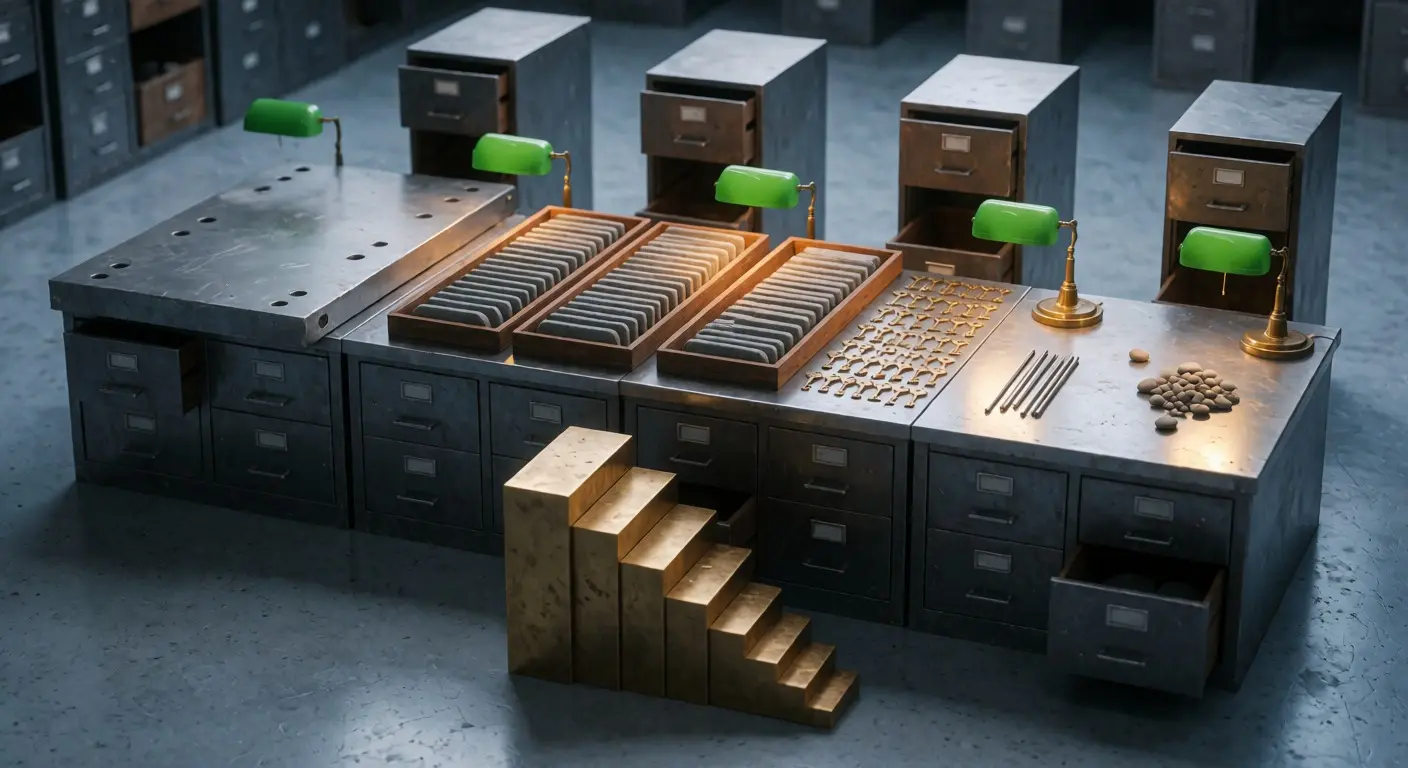
A queue with a ceiling
Start with what the waiting list actually is. It is not a shortage queue for the region. It is a first-allocation queue reserved for networks that have never held RIPE NCC IPv4. Eligibility runs through membership, a completed LIR setup, no prior allocation, use of the space on assignments and at least one active element in the service region. The reward is one /24 per LIR account, once, and the queue position is visible in the LIR Portal.
That design has a consequence nobody hides. A /24 is 256 addresses. It is enough to run a small operator's public services and nowhere near enough to grow one. Any LIR that wants a second block, a third, or a block big enough for customers has to leave the queue and buy. The waiting list is not the supply system; it is the starter kit, and the market is everything after the starter kit.
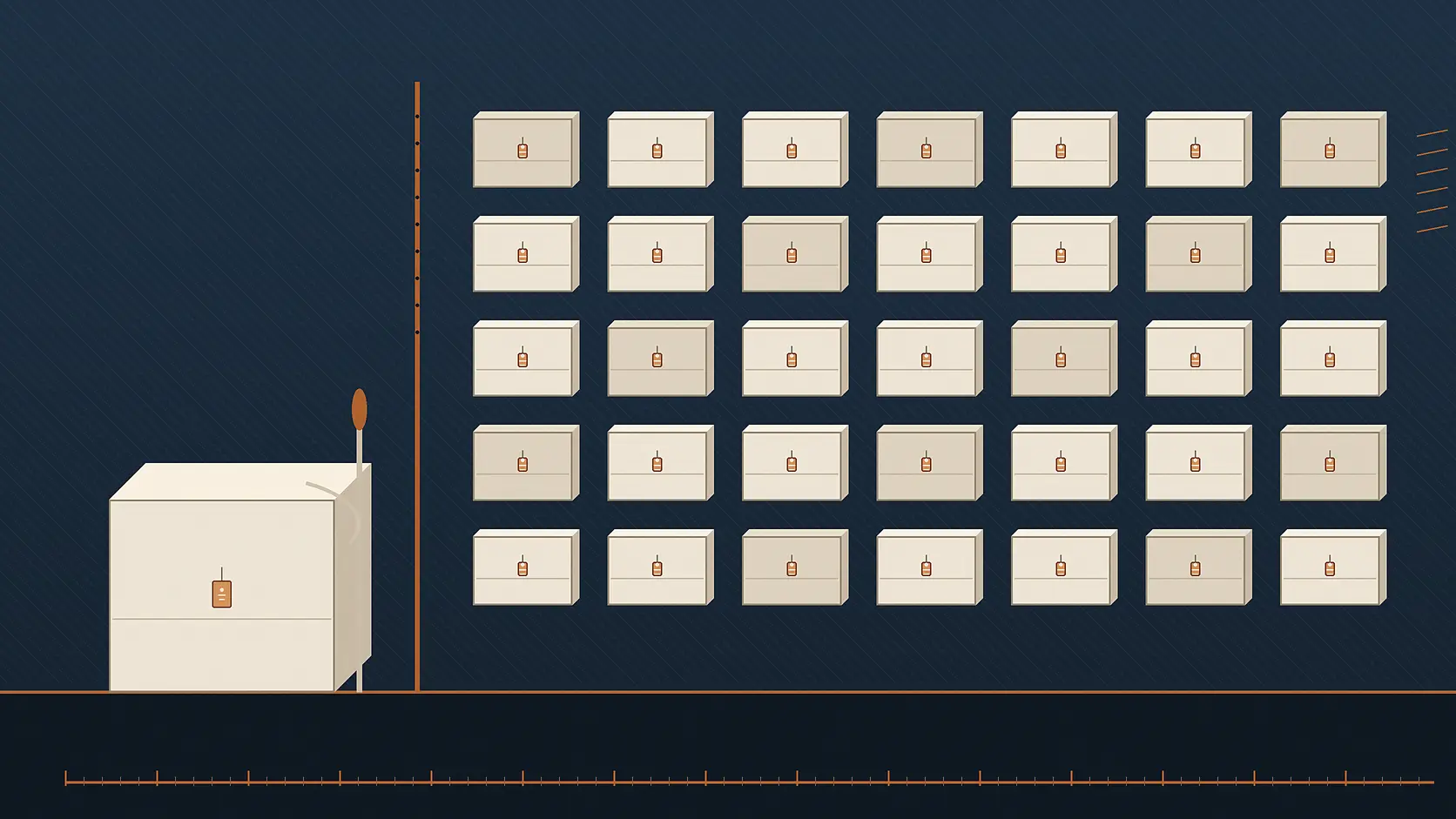
Then the ceiling meets the queue. 842 waiting LIRs, one /24 each, is 215,552 addresses if the line is ever cleared and if everyone takes the full allocation. The RIPE NCC's own page describes the queue as something that should "fluctuate over time — falling when recovered addresses become available and are allocated, and rising as new IPv4 requests are added". A fluctuation between 842 and 900 is not a supply curve. It is a waiting room with a door that opens about as often as the registry recovers a block.
The month that dwarfed the queue
Now compare the two systems in the same unit. The November 2026 member update records 740,096 IPv4 addresses transferred in October, and a month-on-month change of −1,433,344, which puts the previous month at 2,173,440.
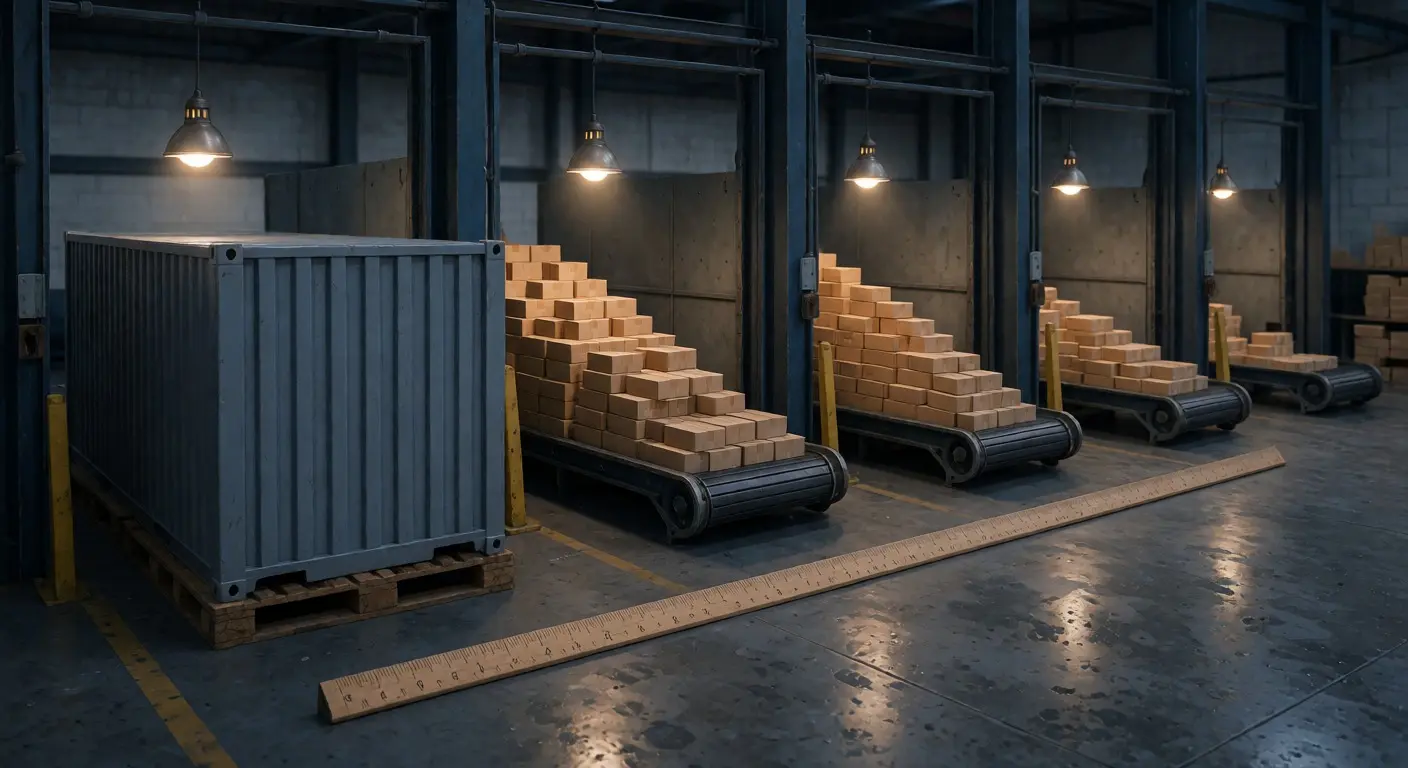
740,096 is 3.43 times 215,552. September's 2,173,440 is 10.08 times the whole queue. One month of private transfers moved ten times what every LIR in the waiting line is collectively waiting for. In the same month, the queue's front position was 493 days old — sixteen months and six days — for one /24.
Those numbers do not prove the market is efficient. They prove something narrower and harder to argue with: the shortage that keeps 842 networks in a line is not a shortage of addresses in motion. Addresses move constantly. What they do not do is move for free to newcomers.
The price of standing in line
The queue is not free either. A network that wants a place in it has to become an LIR first: €1,000 of sign-up fee for a new account, plus the annual contribution, which the 2027 charging scheme sets at €1,894. That is €2,894 before the first packet, and then sixteen months of waiting for 256 addresses that the transfer market will hand over as soon as a contract clears.
Put the two deliveries side by side and the design shows its seams. The queue is cheaper in cash and more expensive in time. The market is the reverse, and it settles the identity question instantly: a transferred block arrives with a history, a holder, and a price that somebody already agreed to. The queue hands out space the registry recovered and quarantined first, precisely so that it arrives with no history at all. One system sells continuity. The other manufactures a clean start. Only one of them scales, and it is not the one with the public counter.
The RIPE NCC is honest about its side of that bargain. Recovered addresses go through a quarantine period, allocations happen "if and when" enough addresses exist, and the registry writes that it is impossible to predict future recoveries and that it does not expect them to be many. That sentence is the whole throughput forecast. Everything else in the waiting-list documentation is procedure.
Who the queue is for
There is a fairer reading, and it deserves to be stated rather than buried. The queue takes nothing from anyone: it allocates only space that members returned or lost. It reserves that space for the networks least able to buy, which is a defensible redistribution inside a registry that has no other one. A newcomer with €2,894 and no balance sheet gets 256 addresses without competing at auction. That is a subsidy, quietly paid, and it is the only one the registry offers.
The trouble is that the subsidy is denominated in a currency the recipient cannot spend elsewhere. Sixteen months of waiting is cheap for a cooperative with patience and expensive for a startup paying salaries. The rule "one /24, once, for networks that never held IPv4" also means a successful newcomer graduates out of the mechanism exactly when it starts needing more, and a struggling one keeps the block it cannot use. The queue has no mechanism for noticing either case.
What is missing from the public record is the one number that would settle whether this works: how many addresses the RIPE NCC recovered and allocated in the last four quarters. Throughput would turn the queue length into a waiting time that can be checked rather than felt. Until that is published, 493 days is the only rate the registry has committed to, and it is a rate for one /24.
Sources: RIPE NCC IPv4 waiting list; How the IPv4 waiting list works; RIPE NCC Member Update: November 2026; RIPE NCC Charging Scheme 2027 (RIPE-867).
Member Briefing
Read the full trend briefing
Members read the full briefing with the source notes behind every finding.
Strategic Circle
A daily briefing in your language, built from changes we have verified.
Join for USD 20/monthCancel anytime.
Members also get the full research library, a daily briefing on the networks they follow and the private forum.