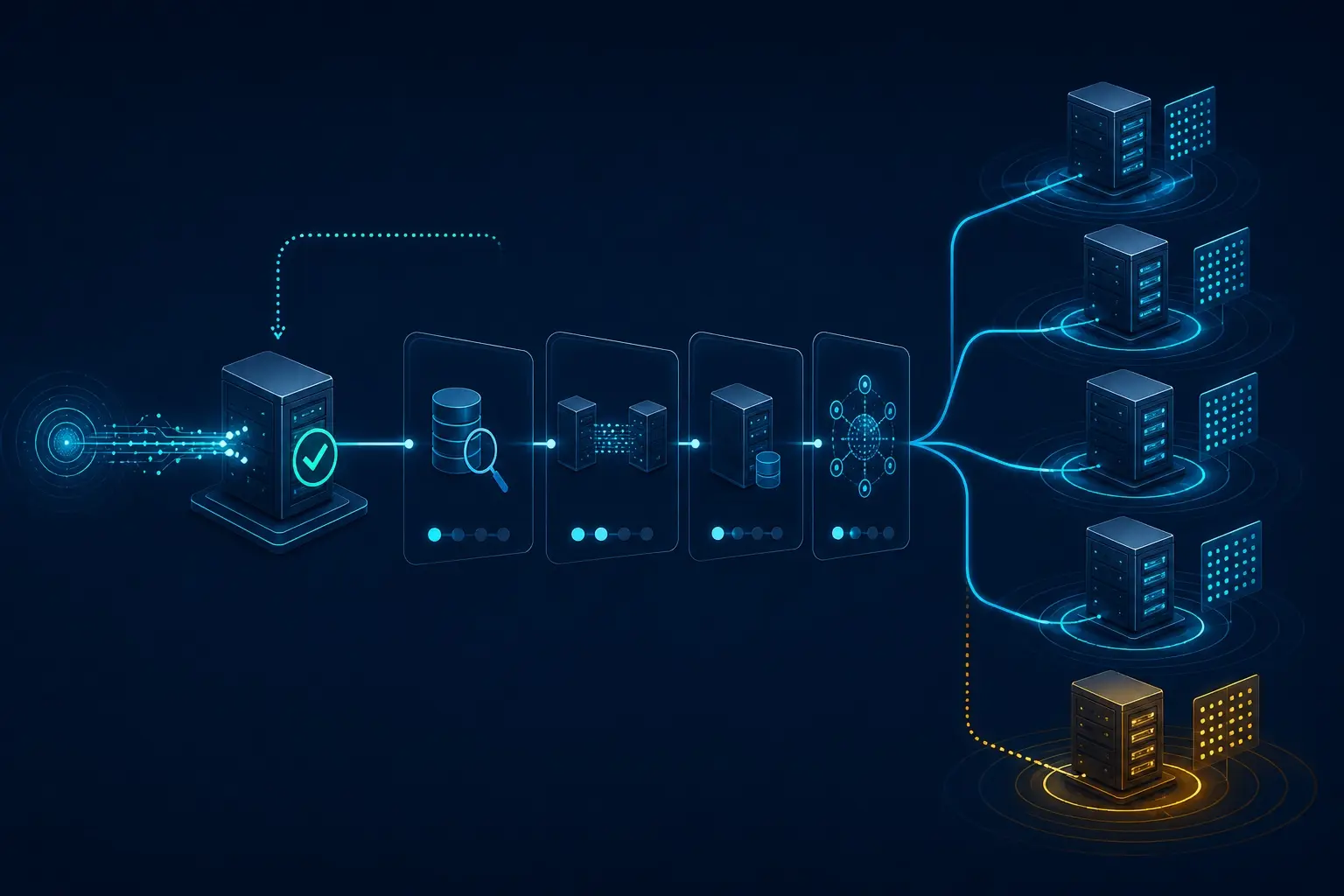
FTTH Council highlights challenges with copper network holdouts is profiled by BTW Media because published evidence links it to internet infrastructure, governance, operational dependencies, or market visibility.
FTTH Council highlights challenges with copper network holdouts is tracked as a internet infrastructure institution within the internet infrastructure ecosystem.
FTTH Council highlights challenges with copper network holdouts has public-source relevance to network operations, governance, dependency mapping, or market structure.
FTTH Council highlights challenges with copper network holdouts is tracked as a internet infrastructure institution within the internet infrastructure ecosystem.
Public-source signals support medium-impact monitoring for infrastructure visibility and dependency analysis.
FTTH Council highlights challenges with copper network holdouts is profiled by BTW Media because published evidence links it to internet infrastructure, governance, operational dependencies, or market visibility.
Public-source signals support medium-impact monitoring for infrastructure visibility and dependency analysis.
| 0.90–1.00 | A | High — direct sources |
| 0.75–0.89 | A/B | Strong |
| 0.55–0.74 | B/C | Medium |
| 0.35–0.54 | C/D | Weak–medium |
| 0.10–0.34 | D | Weak signal |
| 0.00–0.09 | D | Internal monitoring |
Several public sources
- The FTTH Council is urging telecom providers to transition from copper networks to fiber for improved performance and sustainability.
- The push comes amid resistance from providers hesitant to upgrade their infrastructure.
What happened: FTTH Council urges telecom providers to transition from copper to fiber networks
The FTTH (Fiber to the Home) Council has called attention to telecom providers still relying on outdated copper networks, urging them to make the switch to fiber-optic infrastructure. The Council emphasizes the superior performance, reliability, and energy efficiency of fiber networks compared to copper.
Resistance to transitioning stems from high costs and logistical challenges involved in upgrading infrastructure. However, the FTTH Council argues that continuing to rely on copper networks could result in falling behind in an increasingly competitive telecom landscape, where fiber is quickly becoming the standard for high-speed, low-latency connectivity.
The Council also highlighted the environmental benefits of fiber networks, which consume significantly less energy than copper-based systems, aligning with global sustainability goals.
Also read: Albanese to invest $3B to upgrade NBN’s copper connections
Also read: FTTH vs. FTTP: What you need to know before upgrading
Why it’s important
The shift from copper to fiber is crucial for modernizing telecom networks and meeting the growing demand for high-speed internet. Fiber networks offer faster speeds, greater reliability, and energy efficiency, making them essential for supporting future technologies like IoT and 5G.
The FTTH Council’s push underscores the need for telecom providers to prioritize long-term investments in fiber, despite short-term costs. This transition is not only critical for maintaining a competitive edge but also for contributing to global sustainability efforts by reducing energy consumption.
At A Glance
- Name: FTTH Council highlights challenges with copper network holdouts
- Type: Internet infrastructure institution
- Base: Global
- Profile focus: Institution
What It Does
- Public records support monitoring of its role, services, and key relationships.
Why It Matters
- Public-source signals support medium-impact monitoring for infrastructure visibility and dependency analysis.
- Operational criticality: Medium
- Time horizon: Next quarter
What To Watch
- Monitoring focuses on verified service continuity, governance changes, and relationship signals.
Track verified source updates, role changes, and current public evidence.
Public-source signals support medium-impact monitoring for infrastructure visibility and dependency analysis.
Longer-term relevance depends on verified operating, policy, and relationship changes.
Member Briefing
Deeper Profile Context
Login is required to unlock the full profile briefing and source notes.
Only for Strategy Circle
Strategic Circle Access
Open to all readers. Unlock profile briefings after joining and logging in.
Join Strategic CircleOnly for Leadership Alliance
Leadership Alliance Access
For owners and management of IP-holding companies. Login required to unlock.
Join Leadership Alliance