Summary
- Firmus announced a multi-year agreement on 8 September under which OpenAI will contract dedicated AI compute at two Malaysian sites and become an anchor customer.
- More than 900MW refers to contracted capacity across all Firmus customers. The new relationship connects demand to an overseas build-out; it does not disclose the size of OpenAI's order or prove that those sites are operating.
A customer for the exported factory
The useful addition to Firmus's expansion story is a buyer, not another estimate of the AI market. Its 8 September announcement names OpenAI as an anchor customer for dedicated compute at two Malaysian AI factories. That gives the company's regional development programme a concrete customer relationship around which to organise delivery.
It also requires care with the headline number. Firmus says its contracted capacity now exceeds 900MW across all customers. That is a portfolio total, not OpenAI's disclosed purchase, not Malaysia's capacity and not an operating-power measurement. The release does not give the new customer's individual megawatts, contract value or exact duration beyond “multi-year”. Nor does it reconcile the capacity measure with customer compute throughput.
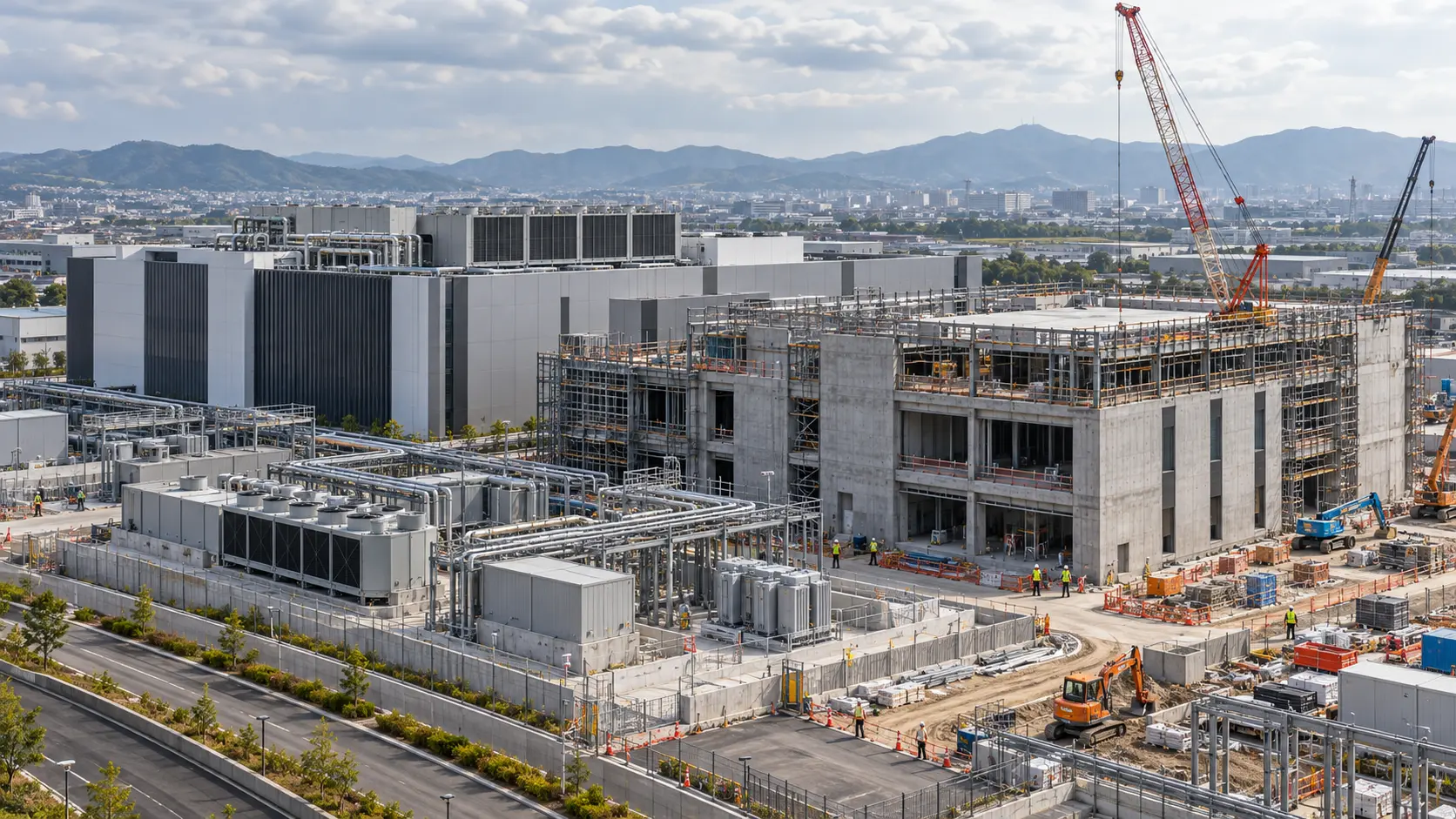
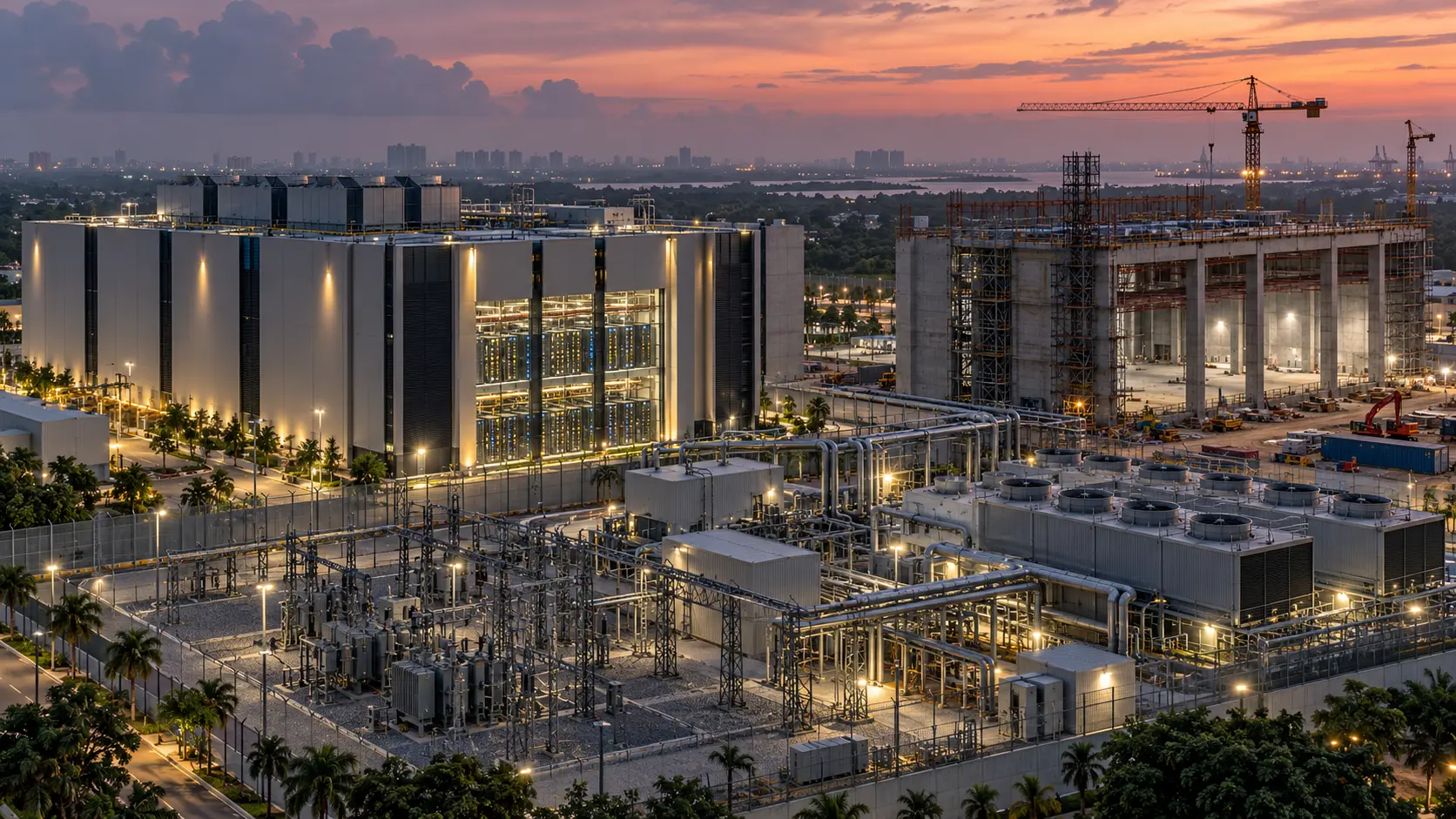
The physical portfolio has a different denominator: seven factories in Australia, Singapore, Indonesia and Malaysia. Two are operating, in Australia and Singapore; five are under development, targeting readiness for service within the next 24 months. Counting sites cannot establish the proportion of megawatts already running. The portfolio timetable is also not a separate acceptance certificate or guaranteed opening date for each Malaysian facility.
What can actually be repeated
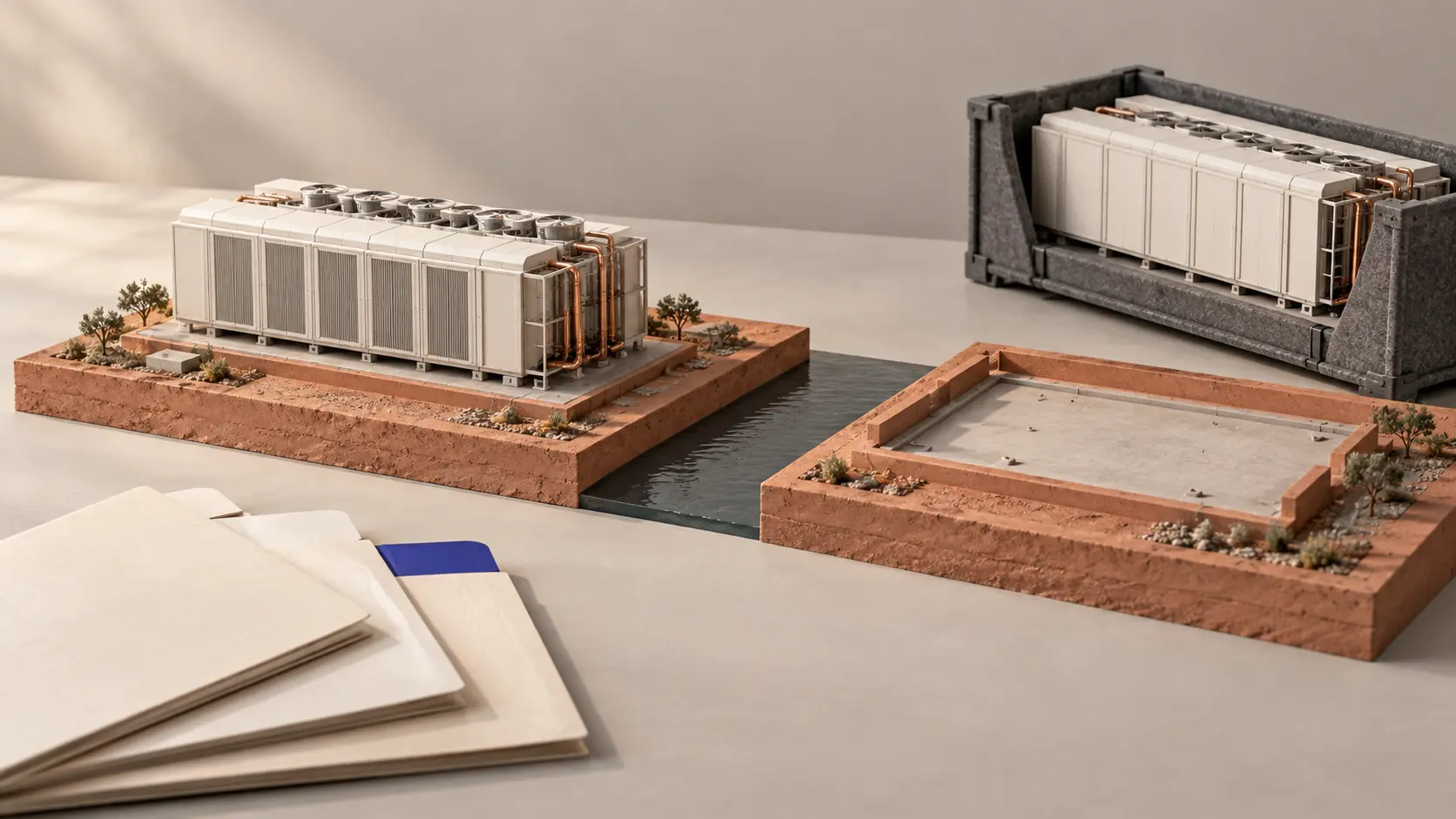
Firmus's proposition is to carry more of the factory design from one project to the next. The partnership's facilities will integrate NVIDIA DSX and Vera Rubin NVL72 systems with HyperCube, its prefabricated platform combining liquid cooling, mechanical systems and electrification. Manufacturing takes place in regional New South Wales. Firmus expects integration to improve deployment speed, capital efficiency and token-production economics; the announcement supplies no Malaysian operating comparison that establishes those gains.
The manufacturing strategy predates this customer. On 13 August, Firmus announced a binding A$300m agreement to acquire Benmax's Fabrication, Design and Projects businesses. Benmax had already helped co-design and manufacture HyperCube generations. That release described Southeast Asian projects being delivered with regional building partner DayOne. It explains the existing production and delivery model, not a verified acquisition closing or DayOne's participation in the OpenAI customer contract.
Prefabrication can remove repeated design work without removing the local project. Power connection, site construction, cooling integration and the customer's workload still have to meet in one place. A finished module is useful evidence about manufacturing progress. It is a different thing from an entire facility delivering the compute service a customer accepts.
This is where vertical integration must earn its return. Owning or coordinating more stages can shorten the handoffs between them. It can also leave one supplier responsible for reconciling problems that were previously divided among specialists. Neither consequence can be read off the number of factories on a map.
Demand is not the funding account
Firmus's 7 August announcement of full commitments for a US$2bn equity round addressed financing for its Australian rollout and regional preparation. It was not OpenAI revenue, and the whole sum cannot be assigned to Malaysia. Capital commitments, customer contracts and working facilities answer different questions.
An anchor can make factory scheduling less speculative. The next issue is whether the chosen design remains useful beyond that anchor. The more repeatable the underlying cooling, electrical and modular interfaces, the stronger the case for exporting a factory system rather than rebuilding an exceptional project each time. Firmus has added a named customer to that proposition. The commercial result will emerge from site-level delivery and usable compute, not from assigning the whole customer book to its newest name.
Member Briefing
Deeper Profile Context
Sign in with the right membership level to unlock the full briefing and source notes.
Only for Strategic Circle
Strategic Circle
Open to all readers. Unlock profile briefings after joining and signing in.
Join Strategic CircleOnly for Leadership Alliance
Leadership Alliance
For qualified IP-asset owners and management; sign in to unlock alliance briefings.
Join Leadership Alliance