
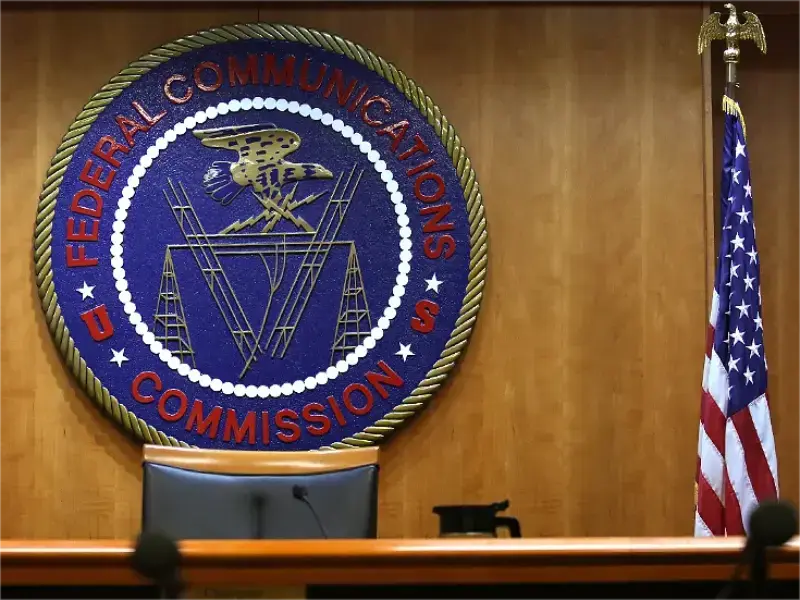
- FCC calls for tighter security measures for telecoms after Salt Typhoon breach, requiring stronger protections and annual cybersecurity reports.
- The proposal follows the discovery of China-backed hackers compromising US telecom infrastructure, highlighting global vulnerabilities in telecom security.
What happened: FCC and the Salt Typhoon breach
The head of the US Federal Communications Commission (FCC), Jessica Rosenworcel, has proposed stricter network security rules for telecom operators after the Salt Typhoon cyberattack. The new regulations would require telecoms to secure their networks from unauthorized access and submit annual reports detailing their cybersecurity measures.
Rosenworcel’s proposal aims to strengthen protections under the Communications Assistance for Law Enforcement Act (CALEA), which was enacted 30 years ago. The rules would ensure that any interception of communications complies with legal requirements. Telecoms would also need to certify that they have implemented a cybersecurity risk management plan. “The cybersecurity of our nation’s communications is vital for national security and economic stability,” Rosenworcel said. The FCC also plans to seek feedback on additional measures to enhance the resilience of telecom networks.
The push for stronger security follows revelations that China-backed hackers compromised US telecom infrastructure during the Salt Typhoon campaign. This breach affected at least eight US operators, allowing attackers to infiltrate systems and potentially access wiretapping tools. The incident highlights global vulnerabilities in telecoms, with regulatory shortcomings and security lapses leaving networks exposed. The US Cybersecurity and Infrastructure Security Agency (CISA) has also issued new guidance on encrypted messaging to protect sensitive information.
Also read: Chinese hackers target U.S. telecoms and steal confidential wiretap data
Also read: Hackers target T-Mobile, call logs untouched
Why it is important
The FCC’s proposal for stricter network security rules is crucial for protecting telecom infrastructure from cyberattacks. Following the Salt Typhoon breach, which compromised US telecom networks, the need for enhanced security measures has never been clearer. Hackers, backed by China, gained access to sensitive systems, highlighting significant vulnerabilities. The new regulations aim to ensure telecoms safeguard their networks from unauthorized access and comply with legal requirements under the Communications Assistance for Law Enforcement Act (CALEA).
Telecom companies would also be required to implement a cybersecurity risk management plan and submit annual reports. These measures are vital for national security, economic stability, and public safety. They will also help prevent further exposure of critical systems to cyber threats. With rising global vulnerabilities, the proposed rules are a necessary step to strengthen telecom resilience and protect against future cyberattacks.