
Topic
Network-resource Evidence
Within the Topic facet, Network-resource Evidence topic intelligence connects articles that share a specific subject, signal focus, or monitoring theme. The page gives readers a richer path through related reporting, source evidence, market actors, and infrastructure implications, with enough context to understand why the topic matters across company movements, governance decisions, regional exposure, and operational risk. Readers can compare recurring signals, affected organisations, public evidence, market context, service continuity, procurement, competition, compliance, and strategic planning questions behind the subject instead of stopping at a thin list of matching articles. It explains what the topic covers, which infrastructure actors or policies are involved, what evidence supports the coverage, and why the subject may matter for operators, customers, investors, and policy readers.

History
The Number That Changed Meaning at the Domain Boundary
One security domain could encode “Unclassified” as 5 while another encoded the same human label as 1. CIPSO did not solve that disagreement by choosing a universal number. It put a Domain of Interpretation identifier beside the number and made interoperability depend on the…

IETF
Suzanne Woolf and the Server Label That Is Not a Machine Identity
A DNS reply can carry a label for the server that produced it. That sounds like identity until anycast, operator-defined bytes and hop-by-hop scope are allowed back into the picture. Suzanne Woolf’s work on the requirements behind NSID offers a more useful interpretation: the…

Story
APNIC's ASPA Lists Authorized Providers, Not Observed Transit
APNIC's ASPA Lists Authorized Providers, Not Observed Transit intelligence summary explains the development, the public evidence available to readers, the organisations involved, the regional context, market exposure, and the infrastructure consequences that may follow. The Story…

CASE FILE
Who Keeps the Original Mail?
A legacy inbox can show a readable substitute while losing the address, context or verification that made the original useful. RFC 9755 turns compatibility into a question of custody.

CASE FILE
A Data Manifest Cannot Account for the Datapoints That Never Arrived
A network chart contains a clean sixty-second blank. The points before it have a platform, subscription and collection context; so do the points after it. The empty interval has none. A manifest can make received telemetry intelligible, but it cannot, from inside the same…

CASE FILE
Who Pays to Retire an Experimental Number?
A successful network trial leaves more than working software. It leaves a dictionary of errors, tools that read it and people who depend on it. RFC 9756 makes the route to a permanent assignment clearer; someone still has to pay for the move.

Europe and Middle East Regional ISP Trends
RekorNet: 99.9% uptime and a 48-hour repair clock are different promises
RekorNet publishes three numbers or time claims that a business buyer could easily blend into one assurance: 99.9% uptime, 7/24 technical support and up to 48 hours for a fault that needs intervention at the customer's premises. They are not the same promise. One describes an…

History
The Security Label That Needed Its Own Specification
One IPv4 option could appear more than once in the same datagram, yet no occurrence was self-explanatory. Its one-byte format code pointed outward to another specification that defined what the remaining bytes meant and whether a system should accept them.

Story
APNIC Put 23 September and 17 August in One Payment Notice
A service notice should let a Member decide when to act. APNIC’s current online-payment notice instead presents one four-hour window in its identity and timetable, then names a different day in the description. The responsible conclusion is not to choose between them. It is to…

History
The Parent Named the Server. The Server Still Had No Zone: RFC 1912 and Lame Delegation
The referral worked exactly as configured. A resolver asked the parent where to find a child domain, received two name-server names and sent a query to one of them. Only then did the system reveal its mistake: the selected machine had no child zone to serve. The directory entry…
Story
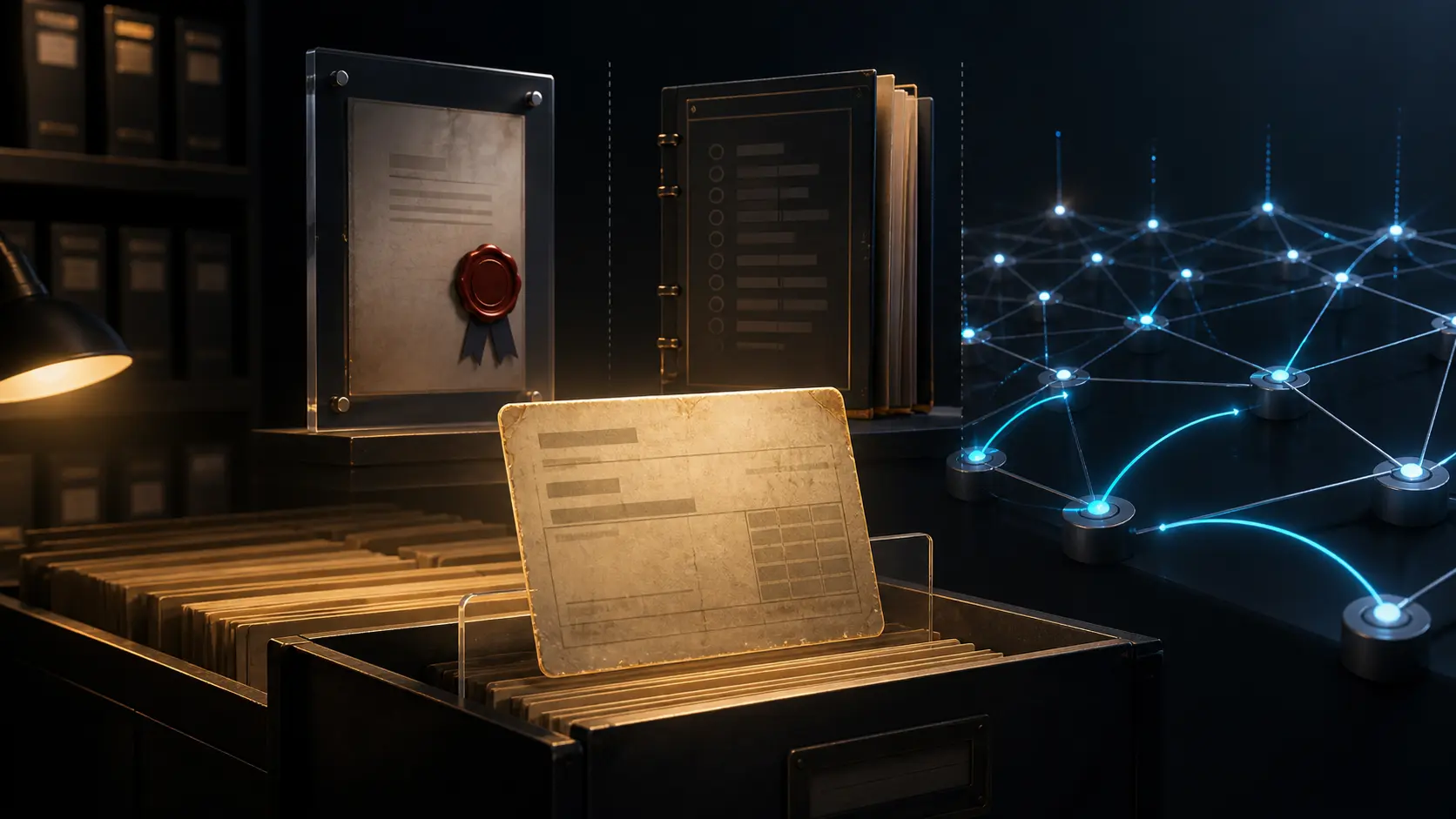
ARIN's Retired Origin AS Field Recorded a Possibility, Not a Live Route
Old registration exports can preserve an `Origin AS` value long after ARIN removed the field. The label looks authoritative, but ARIN defined it as an optional holder-supplied list of ASNs from which a block might originate. It was neither a cryptographic authorization nor a…

Academics
Colin Perkins: How Real-Time Media Learned to Share the Internet
Colin Perkins did not invent RTP, WebRTC or Internet congestion control. His more defensible contribution is also more revealing: over three decades, he helped develop the repair, feedback, signalling, safety and governance mechanisms that allow voice and video to remain useful…

CASE FILE
The Alarm Needs a Way Home
Multipoint BFD can detect a broken branch close to the receiver. Turning that local knowledge into a dependable decision at the source is a separate service—with its own paths, capacity and owner.

Story
LACNIC Whois created Dates the Registry Record, Not the Network's Launch
A timestamp precise to the second can look like a birth certificate. In LACNIC registration data, however, `created` dates the record for an address block. It does not reveal when the holder was founded, when engineers switched on a network, when the addresses were first used, or…

History
The Label the Packet Had to Carry
RFC 1108 imagined a network in which a datagram did not merely carry data and an address. It also carried a compact declaration of the protection rules that had to follow it through the route.

Story
AFRINIC’s 5% Early-Payment Discount Runs on Two Invoice Clocks
AFRINIC's renewal calendar begins with an invoice released in November and rewards payment received by the end of December. Its accompanying prose sets the reward against a different entity: the date of the invoice. Those statements can belong to a perfectly coherent billing…

Europe and Middle East Regional ISP Trends
REGISTRANT LLC: one registration number, two operational control planes
REGISTRANT LLC: one registration number, two operational control planes intelligence summary explains the development, the public evidence available to readers, the organisations involved, the regional context, market exposure, and the infrastructure consequences that may follow.…

Africa National Telecom Trends
Nigeria BGP disruption reduces route visibility
A BGP disruption reduced visibility of Nigerian prefixes across 5–6 September, while the cause and affected operators remained unconfirmed.

History
The Mesh Had No Root. The Client Paid for Completeness: RFC 1914
Two clients could ask the same question and return with different directories. One stopped after a nearby server answered; the other followed referrals through a larger graph. RFC 1914 made that divergence legible: completeness was not a property printed on the first reply. It…
History
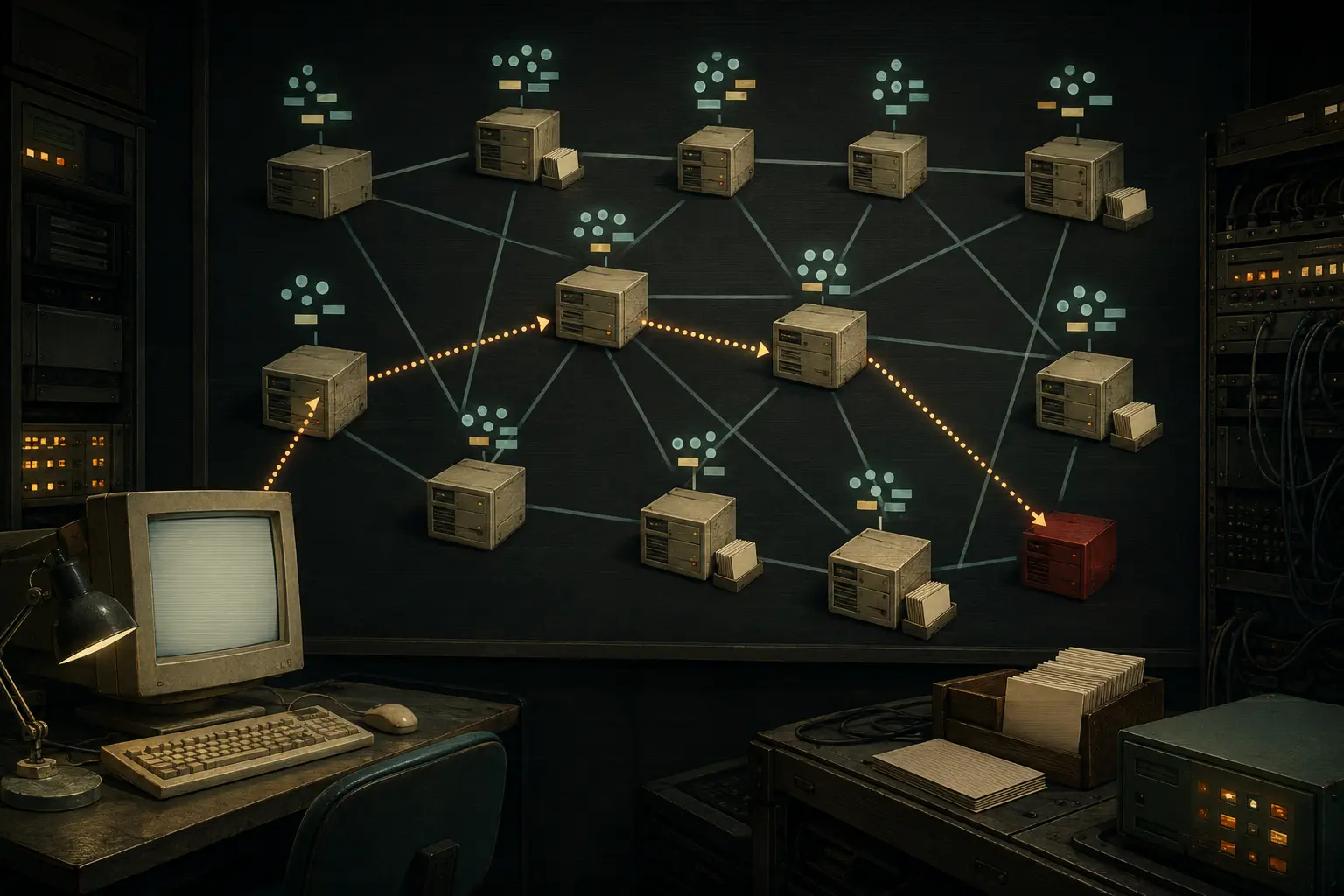
The Index Knew the Word Existed. It Still Did Not Know the Answer.
Put three directory records through a Whois++ centroid and something peculiar happens. The word “Smith” survives, but the two people who carried it disappear. So do frequency, co-occurrence, order and the path by which either record was maintained. In 1996, that deliberate loss…