
Topic
Membership Accountability
Within the Topic facet, Membership Accountability topic intelligence connects articles that share a specific subject, signal focus, or monitoring theme. The page gives readers a richer path through related reporting, source evidence, market actors, and infrastructure implications, with enough context to understand why the topic matters across company movements, governance decisions, regional exposure, and operational risk. Readers can compare recurring signals, affected organisations, public evidence, market context, service continuity, procurement, competition, compliance, and strategic planning questions behind the subject instead of stopping at a thin list of matching articles. It explains what the topic covers, which infrastructure actors or policies are involved, what evidence supports the coverage, and why the subject may matter for operators, customers, investors, and policy readers.
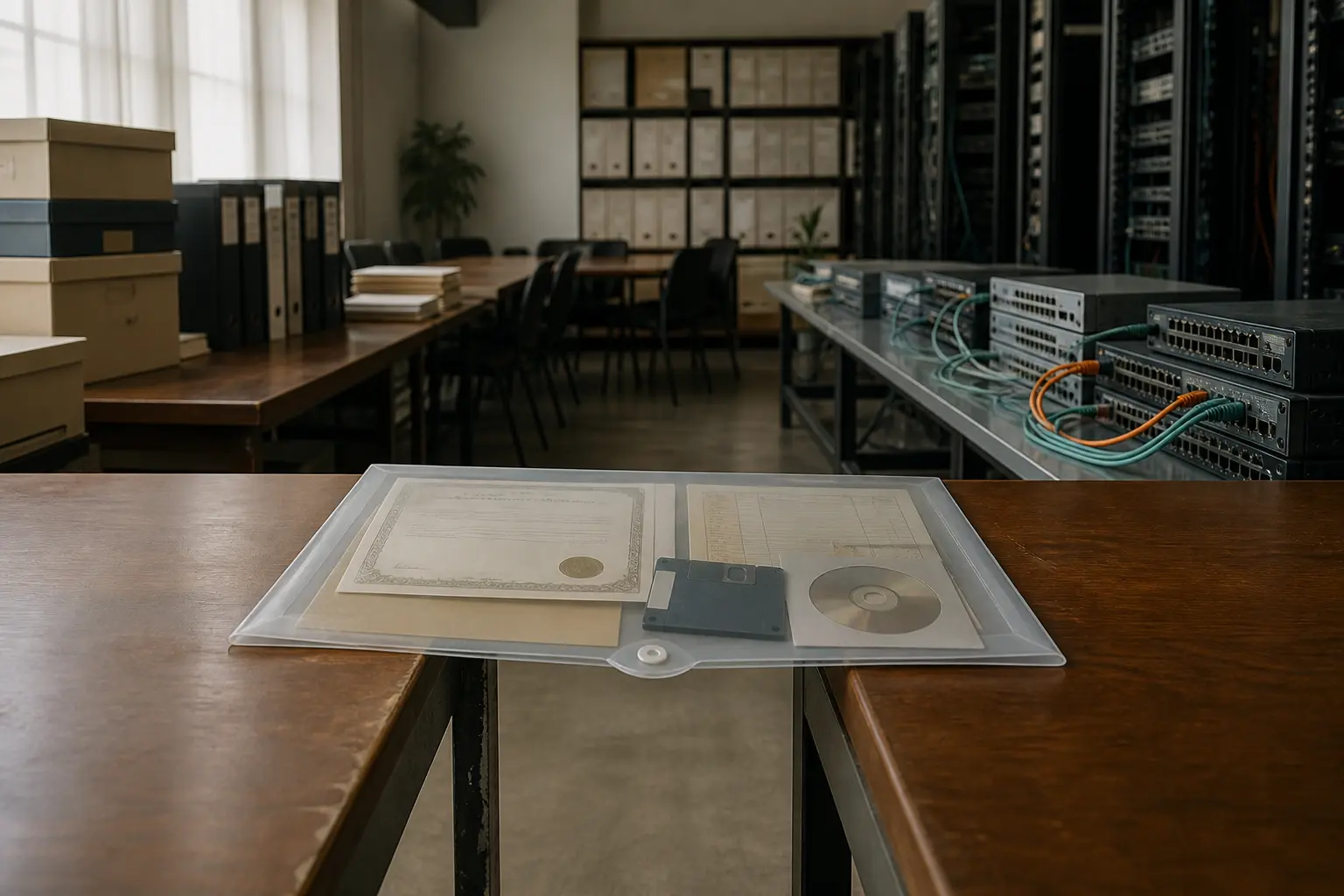
NANOG
The Legal Container Behind an Operators' Community
NANOG’s move from Merit stewardship to an independent corporation made contracts, archives and money easier to assign. It did not make one association the owner of North American networks or their collective political voice.

Story
AFRINIC Can Count 4,498,432 Reserved Addresses. It Cannot Publicly Explain the Count
AFRINIC’s daily statistics can tell an exact story about stock and almost none about state change. On the 20260827 serial, 4,498,432 IPv4 addresses sat behind one word—`reserved`—even though AFRINIC publicly describes three quite different reasons for placing addresses there.

Story
RIPE NCC Put “Public Arguments” Inside Its Sponsorship Conflict Test
RIPE-866 is designed to protect neutrality from money and influence. Its hardest line does something broader: it treats litigation, arbitration, public argument and other conflict as neighbours, then carries the test from a disputing party to anyone associated with one. That may…

Story
LACNIC Cut Its Recovery Window to Three Months in 2015. One Procedure Page Still Says Six
LACNIC has a clean public record of shortening its resource-recovery publication period from six months to three. It also has a current operational page and policy manual that use the shorter clock. The unresolved problem is simpler and more practical: another public procedure…

Story
ARIN-2026-4 Calls Two Clauses Redundant. The Replacement Needs a Scope Map
ARIN’s consolidation draft says two IPv6 clauses can be retired without meaningful change. That may be right. But the old and proposed sentences do not name the same subjects, duties or qualifiers, so redundancy should be demonstrated proposition by proposition while the text is…

IETF
A Green Box Is Not Evidence When It Answers the Wrong Question
An assessment table can look more settled than the decision behind it. On 14 August 2026, the IETF Administration LLC invited community input on preliminary venue reports for Milan and Montevideo. Both reports deliberately carried no recommendation. Yet one green square in the…

Story
AFRINIC’s Bandwidth Upgrade Cannot Be Closed by Uptime Alone
A service can remain switched on, connected to the Internet and technically available while every useful interaction through it becomes slower. AFRINIC’s February capacity notice described that middle state. Its own service commitment shows why restoring performance requires a…

Number Resource Society
A Country Field Is Not an RIR Mandate
A required country value identifies an administrative input, not authority to speak for a jurisdiction, an RIR service region or every operator associated with it.

Story
RIPE NCC’s Five-Year Restriction Now Turns on “Involved”
RIPE-791 attached a later application to two named roles around a former member: contact person and representative. RIPE-863 replaces those roles with a different test—whether a person provided fraudulent or misleading data or was `involved` in providing it. The five-year period…
Story
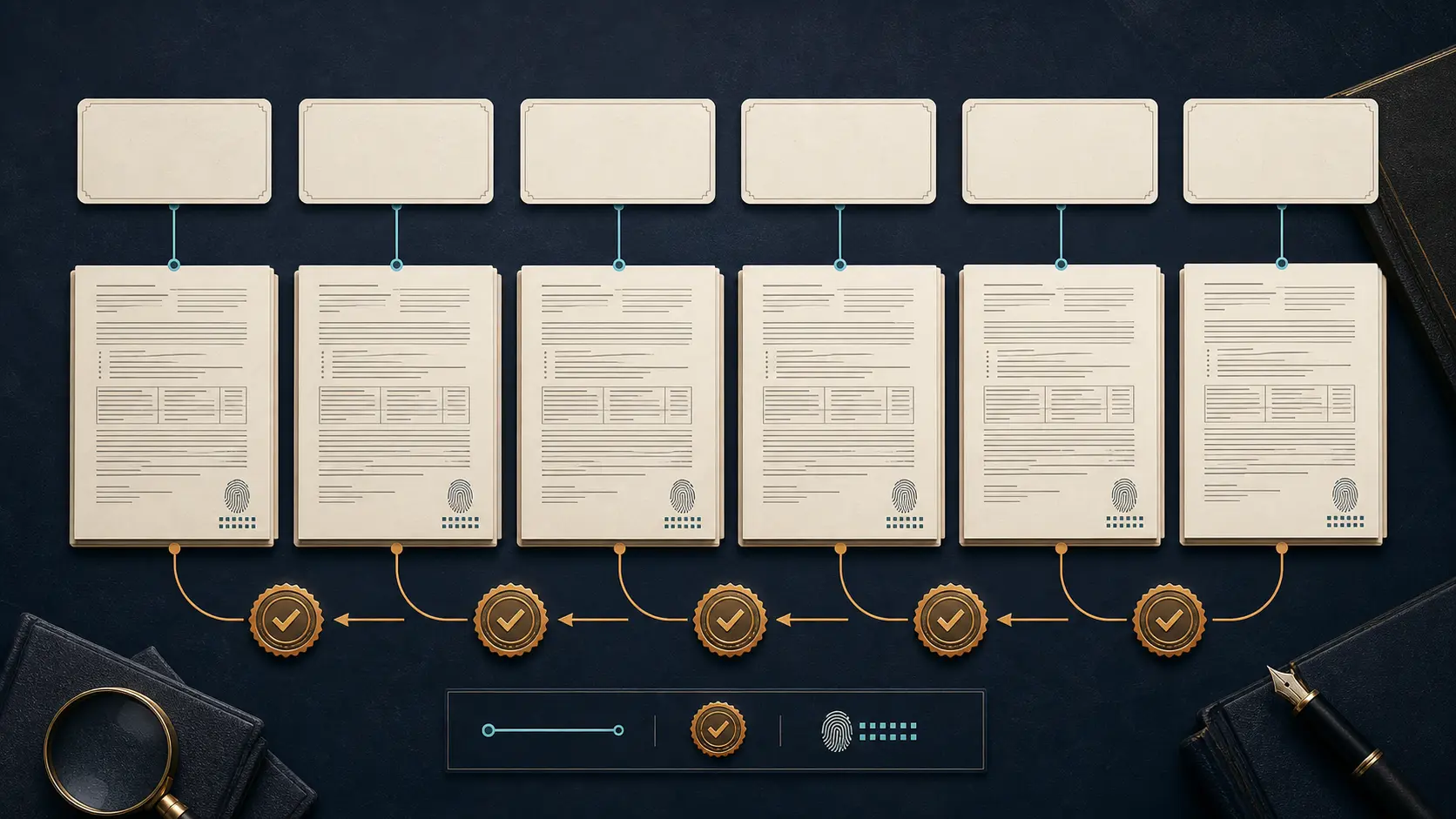
Six Minutes Are Published. LACNIC’s Summary Column Says Nothing
LACNIC’s 2026 Board page presents six meetings, six dates and six links to approved minutes. Beside them sit six empty `Summary of activities` cells. The records exist; the map into the records does not. That difference determines whether a reader can find a decision without…

Story
Two Numbers on One Proposal: APNIC Must Correct Identity Without Rewriting History
`prop-174: Align implementation of Prop-125 in APNIC Policy (APNIC-127)` `prop-173: Align implementation of Prop-125 in APNIC Policy (APNIC-127)`

Story
One Portal, Four Unfinished Clocks
MyAFRINIC v2 has become more than a software project: AFRINIC's own records place four materially different policy paths behind the same portal milestone, making it necessary to prove each implementation separately rather than letting one launch announcement stand for all four.

Story
The Prefix Must Keep Its History: AFRINIC’s Proposed Pool Decision
Under `AFPUB-2026-IPv4-003-DRAFT01`, one recovered IPv4 block would first enter the temporary `Recovered Pool`. AFRINIC staff would trace its original source-pool category, return it there, classify a partial block proportionally, or send an uncertain origin to the…

Story
The Commitment Must Keep Its Name: RIPE NCC’s Missing Annual Ledger
RIPE-862 offers a precise starting chain: **Internet Resilience, Scalability and Routing Security**; the service-level objective **Security**; and the key metric **Internet Number Resources covered by ROAs and ASPA**. The next links—a costed 2027 Activity Plan and Budget…

Story
Between Listening and the Map: LACNIC’s Missing Input Trace
LACNIC’s public account names a collective planning process and a route from listening to SWOT and a final strategic map. What the checked documents do not expose is the privacy-safe join that would let a reviewer follow one issue from source class and channel through synthesis…

Story
APNIC's corporate-group rule turns affiliation into an electoral boundary
Before an APNIC nominee reaches the ballot, an organizational chart may already decide whether that candidacy counts as an independent choice or as a second seat for one corporate interest.

NPNOG
First come, seats available: the rule behind access to npNOG workshops
npNOG’s first event named a simple rule for scarce workshop places: register early. Later pages keep the scarcity but leave the queue itself out of view.

Story
Three LACNIC Numbers an IPv4 Accounting Memo Must Not Collapse
An IPv4 transfer can produce a private price, a registry-processing charge and a recurring membership invoice. They may arrive in the same transaction folder, but each number proves something different.

Story
AFRINIC's quarantine-floor objection crossed the Last Call boundary
A predictable Last Call cutoff and operational flexibility can both protect registry continuity. But AFRINIC's public record leaves a narrower control question unresolved: who owns a late objection when proposed discretion can shorten recovered IPv4 quarantine without a binding…

Number Resource Society
A Member Logo Is Not a Live Power of Attorney
The Number Resource Society’s membership page makes an important distinction in its headings: one gallery is for members said to have entrusted NRS with representation in RIR matters, while another presents the wider member community. The distinction should also be carried by the…