
Topic
IPv4 Leasing and Shadow Allocation
Within the Topic facet, IPv4 Leasing and Shadow Allocation topic intelligence connects articles that share a specific subject, signal focus, or monitoring theme. The page gives readers a richer path through related reporting, source evidence, market actors, and infrastructure implications, with enough context to understand why the topic matters across company movements, governance decisions, regional exposure, and operational risk. Readers can compare recurring signals, affected organisations, public evidence, market context, service continuity, procurement, competition, compliance, and strategic planning questions behind the subject instead of stopping at a thin list of matching articles. It explains what the topic covers, which infrastructure actors or policies are involved, what evidence supports the coverage, and why the subject may matter for operators, customers, investors, and policy readers.

Asia-Pacific Cloud Services
Registered but Not Routed: What DESEN Network Technology's APNIC Records Actually Show
Registered but Not Routed: What DESEN Network Technology's APNIC Records Actually Show intelligence summary explains the development, the public evidence available to readers, the organisations involved, the regional context, market exposure, and the infrastructure consequences…

Europe and Middle East Cloud Services
The Routing-Policy Swap Behind AS210328: What the August 2026 Registry Edit Changed — and What It Did Not
The Routing-Policy Swap Behind AS210328: What the August 2026 Registry Edit Changed — and What It Did Not intelligence summary explains the development, the public evidence available to readers, the organisations involved, the regional context, market exposure, and the…

CASE FILE
A Hong Kong Cloud Company, Its Taiwan Routers, and Two Imclouds
APNIC records place IMCLOUD TECHNOLOGY COMPANY LIMITED in Hong Kong. The internet's routing tables place its traffic in Taiwan. Reconciling those two placements exposes a small operator with a large identity question.

Story
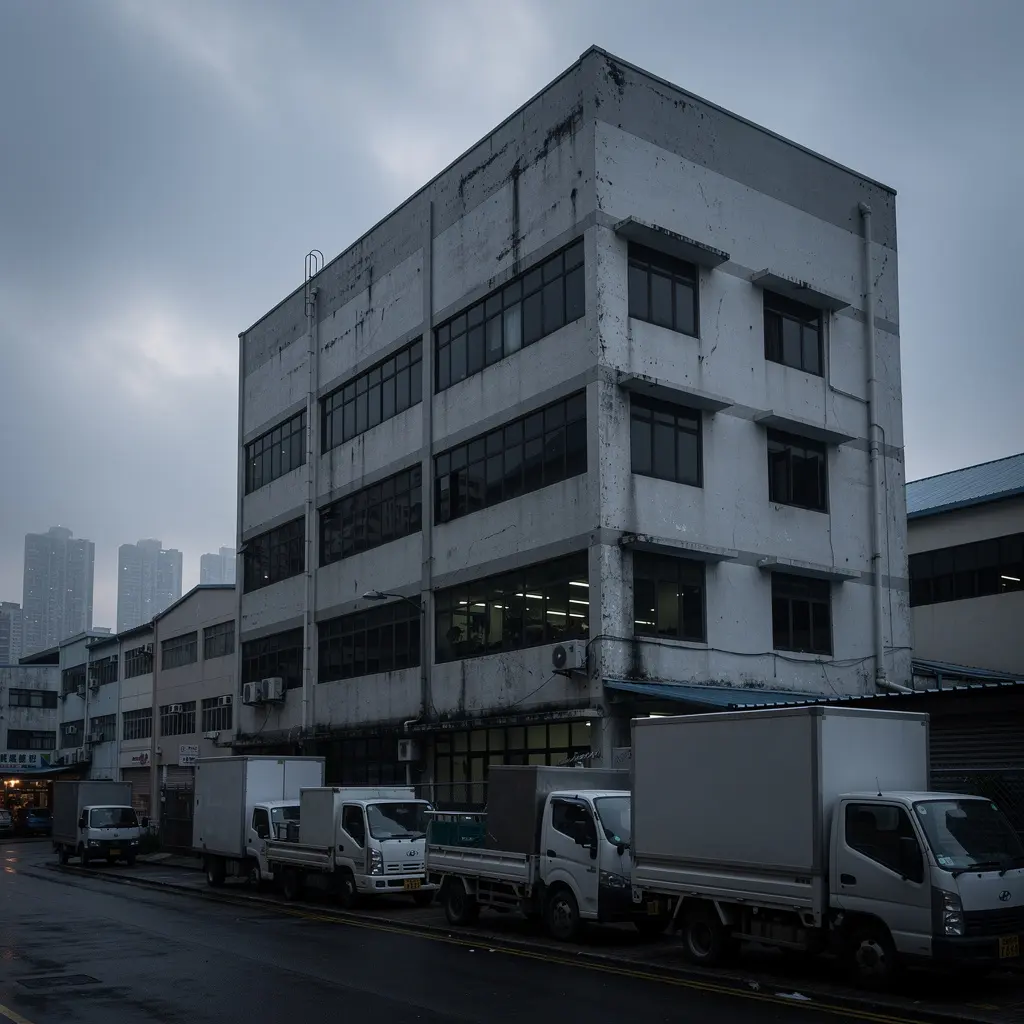
Where Registration Ends and Operation Begins: Inside the AS216429 Case File
Where Registration Ends and Operation Begins: Inside the AS216429 Case File intelligence summary explains the development, the public evidence available to readers, the organisations involved, the regional context, market exposure, and the infrastructure consequences that may…
Asia-Pacific Datacenter
The Ledger Says Cloud. The Routing Table Says Otherwise: Reading AS2042 as Deployed Evidence
The Ledger Says Cloud. The Routing Table Says Otherwise: Reading AS2042 as Deployed Evidence intelligence summary explains the development, the public evidence available to readers, the organisations involved, the regional context, market exposure, and the infrastructure…

Story
DFINFRA and AS210860: The Registry Says One Thing, the Routing Table Says Nothing — and Neither Has Moved
DFINFRA and AS210860: The Registry Says One Thing, the Routing Table Says Nothing — and Neither Has Moved intelligence summary explains the development, the public evidence available to readers, the organisations involved, the regional context, market exposure, and the…

Story
At LACNIC, the Most Valuable IPv4 Option Is Waiting
At LACNIC, the Most Valuable IPv4 Option Is Waiting intelligence summary explains the development, the public evidence available to readers, the organisations involved, the regional context, market exposure, and the infrastructure consequences that may follow. The Story…

Global Cloud Services Trends
The 23% IPv4 signal is an audit trigger, not leasing inventory
A 2026 estimate that roughly 23% of allocated IPv4 prefixes in the RIPE NCC region showed no BGP routing activity highlights a potentially large pool of underused infrastructure. But “not routed” does not mean “available to lease.” The immediate strategic move is therefore not…

Global Regional ISP Trends
An IPv4 lease expiry is a routing deadline, not an invoice date
The critical distinction behind **What Happens When an IPv4 Lease Expires: A Deep Analysis of Market Realities** is easy to miss: a commercial IPv4 lease does not behave like the DHCP lease on a laptop. When contractual access to public address space ends, continuity depends on…
Global Institutional Trends
The IPv4 revenue gap starts in the asset register
An ISP may know exactly which prefixes it routes and still be unable to answer a basic commercial question: which IPv4 blocks are operationally necessary, which are genuinely spare, and what return could the spare capacity produce? This Briefing narrows *Why most ISPs miss…

Global Cloud Services Trends
Before monetisation, ISPs need to prove which IPv4 blocks are truly idle
The most immediate IPv4 revenue opportunity is not choosing between leasing and selling. It is establishing, with operational evidence, which address blocks can actually leave current production use without disrupting customers, routing, security controls or future capacity…

Europe and Middle East Regional ISP
IPbnb's Scarcity Test: Can an Idle /24 Pay After Abuse, Vacancy and Cloud Substitutes?
The customer who leases scarce address capacity is buying time, not elegance. IPBNB PTE. LTD. can win only if the rent on temporarily controlled IPv4 space is large enough to pay owners, absorb vacancy, police abuse, satisfy registries, collect from renters and still beat the…

Story
Leasing as Entry Finance for a Small ISP
A small ISP can need public IPv4 capacity before it has the retained earnings, collateral or customer history to buy a transferable block. Leasing can convert that large initial commitment into staged operating capacity and preserve cash for radios, fibre, transit, power, billing…

Story
The IPv4 Sale-and-Leaseback Test
An operator can sell an IPv4 block, receive cash and lease the same capacity back. The registry may record a transfer; critics may call the arrangement evasion; the parties may call it a sale. None of those labels settles its economic substance. The decisive questions are whether…

Story
Short Leases and Long Reputation Tails
An IPv4 lease can end on a date certain. Reputation rarely does. A /24 returned after three months of proxy abuse, unsolicited mail or automated account creation may be technically clean, contractually available and still treated as suspect by blocklists, mail receivers, fraud…

Story
The Abuse Complaint That Follows the Wrong Party
An abuse report begins with an IP address, but an IP address is not an organization chart. In a leased network, the party recorded as holding the block may not originate the route, operate the service, control the customer account, preserve the decisive logs or staff the desk…

Story
Lease Expiry at Midnight, Routes at Dawn
An IPv4 lease can end in a contract at midnight while its routes, customer sessions, upstream filters, ROAs, reverse DNS and reputation continue into the morning. A safe exit does not ban leasing or pretend that every address must sit idle. It gives the lessor, lessee and transit…

Story
Who Controls the ROA in an IPv4 Lease?
An IPv4 lease can give one company the right to use a prefix while leaving another company in control of the cryptographic statement that makes the route acceptable to security-conscious networks. That separation is manageable, but only when the lease says who may authorize each…

Story
The Lease the Registry Cannot See
A private IPv4 lease can leave one organisation as the registered holder while another operates the addresses, announces them and answers for the traffic. That separation is neither exotic nor self-proving misconduct. It is a commercial-use arrangement that public registration…
Asia-Pacific Regional ISP
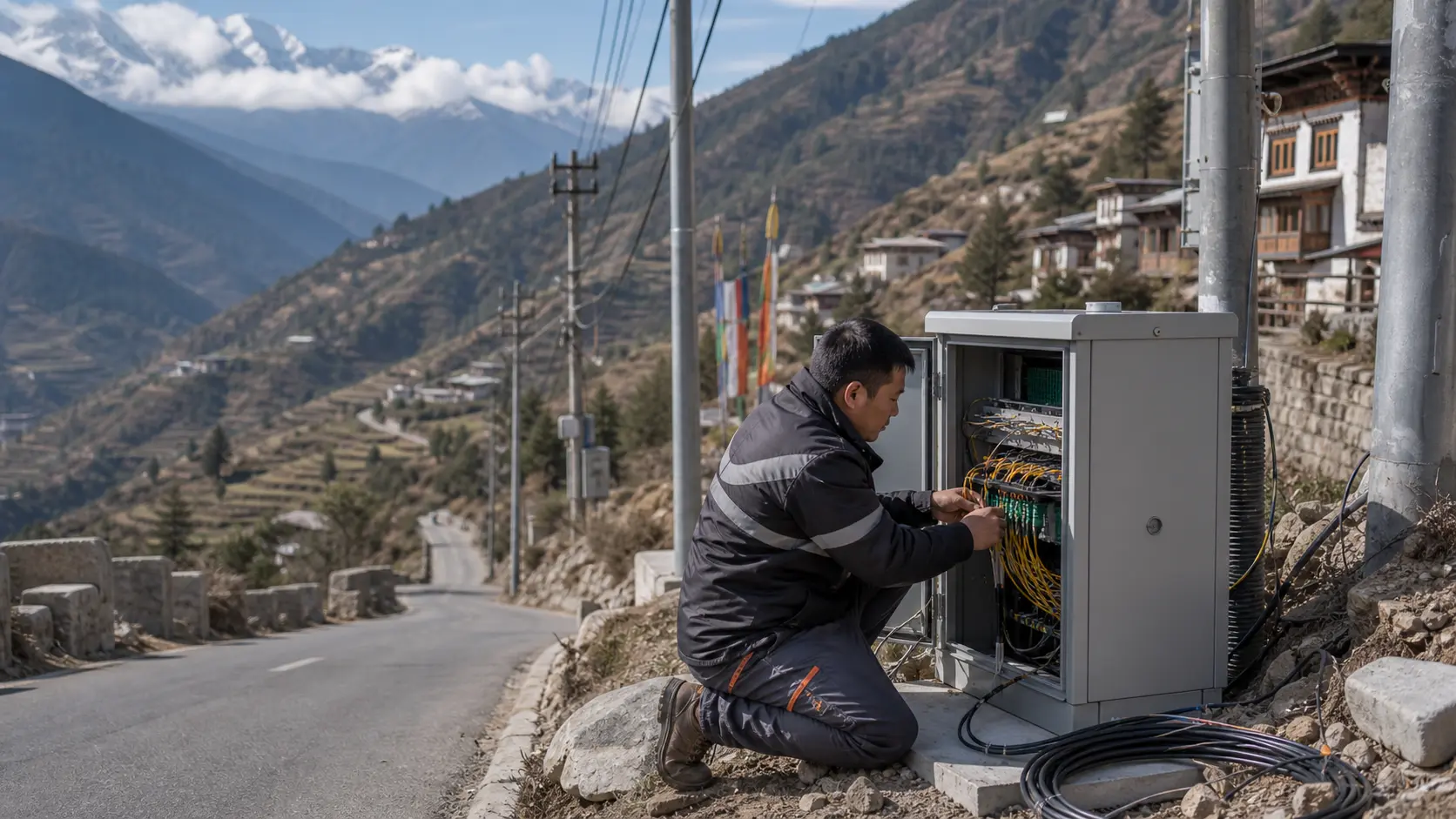
SuperNet Infocomm and the mountain price of ordinary internet in Bhutan
SuperNet Infocomm and the mountain price of ordinary internet in Bhutan intelligence summary explains the development, the public evidence available to readers, the organisations involved, the regional context, market exposure, and the infrastructure consequences that may follow.…