
Published
2026-07-06
2026-07-06 intelligence examines articles connected by the same Published, giving readers a fuller path through public reporting, evidence quality, market context, and infrastructure consequence. The page links the subject to relevant organisations, people, regions, signal types, governance exposure, operating dependencies, service-continuity pressure, customer risk, and capital or regulatory implications rather than presenting a short list of matching articles. It explains what the classification covers, why the pattern matters, which public sources support the recurring signal, and how readers should compare developments as the evidence base changes. Operators, investors, customers, analysts, and policy readers can use the page to understand where a theme is concentrated, which actors may be exposed, and which follow-up questions deserve closer review before treating the signal as durable.
Europe and Middle East Institutional
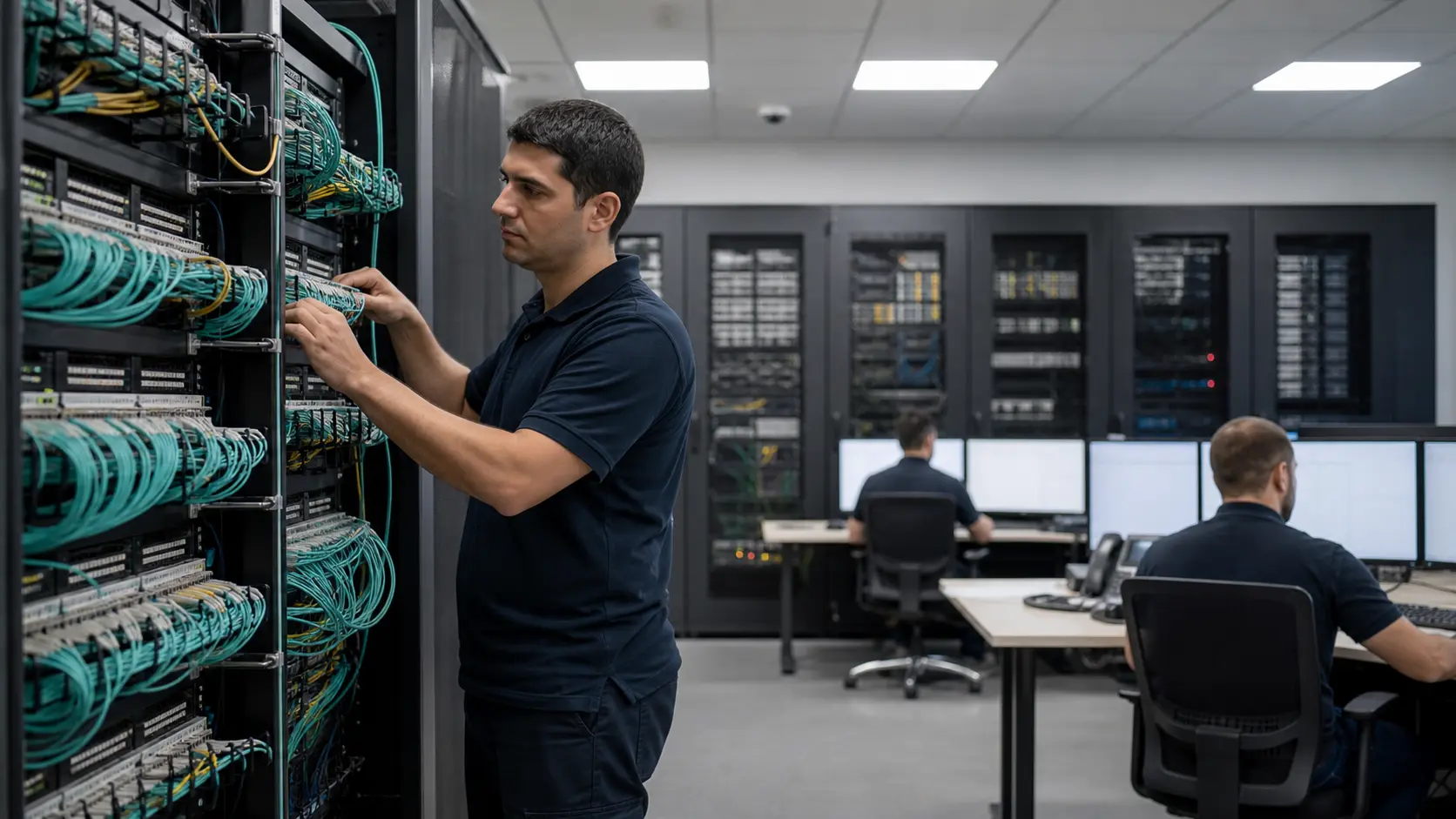
SIX Group Services and the route-risk inside market infrastructure
SIX Group Services AG looks like a quiet support company inside the wider SIX group, yet public company records, regulated-market documents and routing evidence show why that quietness matters. Its value is best tested through the financial-market infrastructure connection: the…

Europe and Middle East Regional ISP
LLCServer's Kyiv hosting promise depends on staying reachable
A Ukrainian hosting buyer is not only renting CPU, RAM, storage and an IP address. In 2026, that buyer is paying for a local supplier to keep an application reachable across electricity stress, hardware scarcity, routing dependence, abuse risk, support queues and the legal…

Global Regional ISP
Telstra International sells the route that enterprises cannot inspect
An enterprise buyer purchasing an international route rarely sees the wet plant, the cable landing station, the peering fabric or the operational queue that will matter when a link fails. Telstra International's value is the promise that those hidden dependencies are already…

Europe and Middle East Institutional
Enedis and the meter reading that has to fund grid patience
A meter reading looks like a single number on a bill. For Enedis, it is the point where France's distribution monopoly turns field labour, regulated capital, smart-meter software, outage communications and public tolerance for grid spending into a charge that nearly every…

Asia-Pacific Regional ISP
xTom's Australian bare-metal offer has a distance bill
For a buyer weighing an Australian bare-metal account against cheaper remote capacity, xTom Pty Ltd is not selling only a server. It is selling Sydney presence, latency control, routing options, facility access, address resources and support inside a market where geography can…

Africa Regional ISP
Agile Solutions Provider and the enterprise link South Africa still has to trust
When a South African office loses the link that carries cloud work, payment traffic, support calls and customer systems, the renewal conversation stops being about advertised speed. Agile Solutions Provider sits in that harder market, where the buyer pays for an accountable…

Asia-Pacific Institutional
Toyota's software-service subscription has to earn trust after the sale
Toyota can make connected-car subscriptions feel ordinary only if the service still looks worth paying for after the free trial, the warranty handoff, and the first dealer visit. The economic test is not whether Toyota can attach software to millions of cars. It is whether…

North America Regional ISP
Backblaze sells cheap storage by making durability look boring
A cheap cloud-backup or entity-storage account is not just a place to put bytes. For Backblaze Inc, the commercial promise is that a customer can stop thinking about drives, restores, regional placement, egress surprises and backup panic because the provider has already made…

North America Institutional
Bio-Rad's reagent order carries more risk than the catalogue shows
A clinical laboratory order for Bio-Rad Laboratories, Inc. looks like a shipment of reagents, controls, cards or calibrators. Economically, it is a larger promise: the laboratory is paying for validated lots, instrument uptime, documentation, software links, service access…

North America Institutional
Assurant's device-protection claim is a logistics cost disguised as insurance
A cracked phone screen turns a monthly protection plan into a timed operating test. The customer thinks the product is insurance; Assurant has to verify the device, route the claim, choose repair or replacement, control fraud, find inventory, collect a deductible, recover the…

Europe and Middle East Institutional
Avanza's brokerage account must make low fees feel safe
Avanza's low-fee brokerage account is valuable only if a Swedish saver believes the custody, app uptime, savings products, regulatory standing, customer support and platform resilience are strong enough to keep self-directed investments inside Avanza when markets are moving.
Europe and Middle East Regional ISP
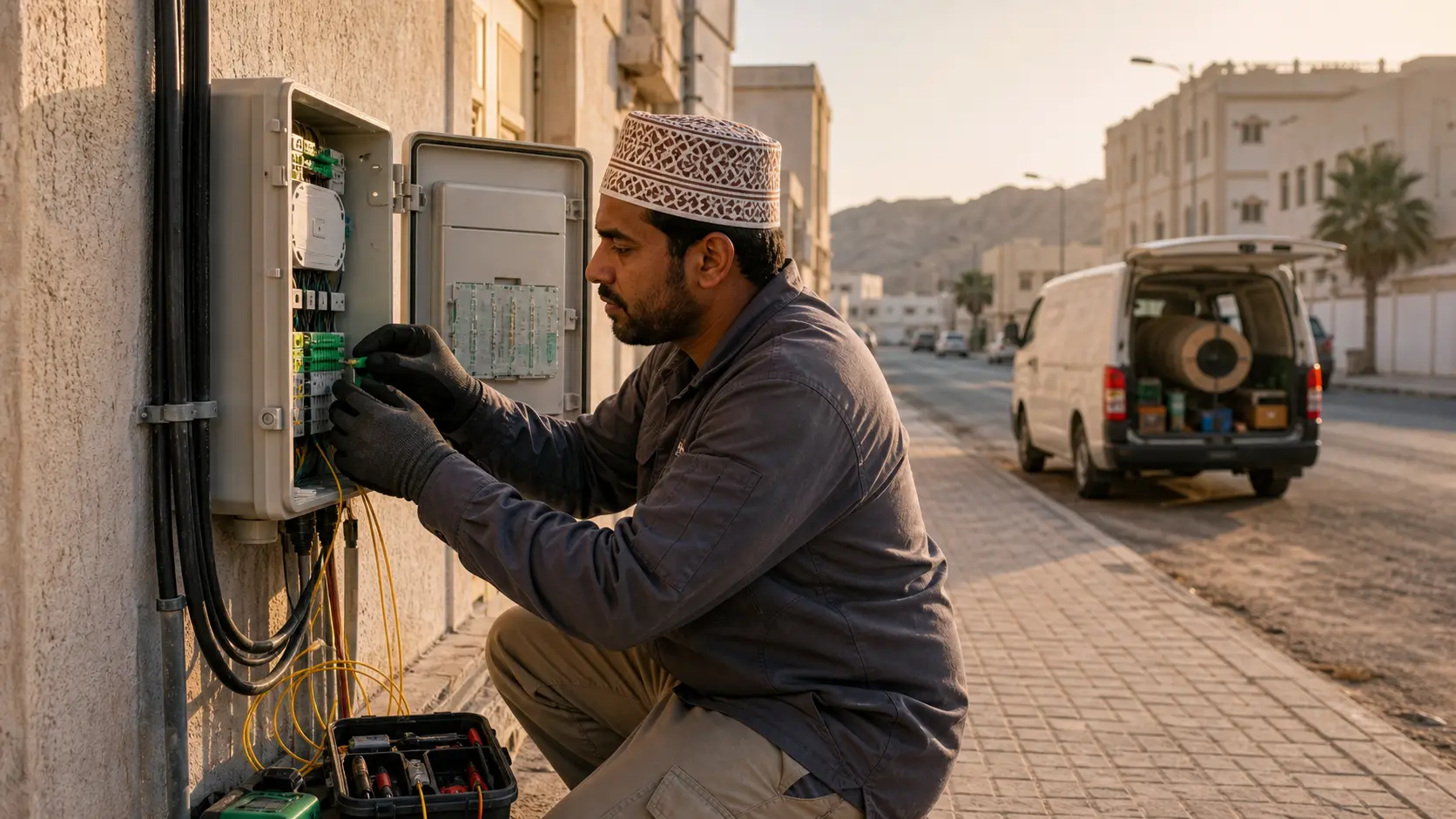
Awasr's fibre line has to prove Oman's local internet can stay local
For an Omani household or small firm, Awasr is not just selling speed. It is asking the buyer to make a monthly commitment to a local fibre line, local installation, local support and a promise that enough of the internet experience can be kept close to home to justify choosing a…

Europe and Middle East Institutional
BauWatch sells a temporary camera as a recurring security shift
A construction manager who rents a BauWatch tower is not only renting a camera mast. The buyer is replacing part of a night watch, an alarm desk, a site visit, a police call decision, a connectivity problem and a privacy obligation with one recurring service. That makes…
Europe and Middle East Institutional
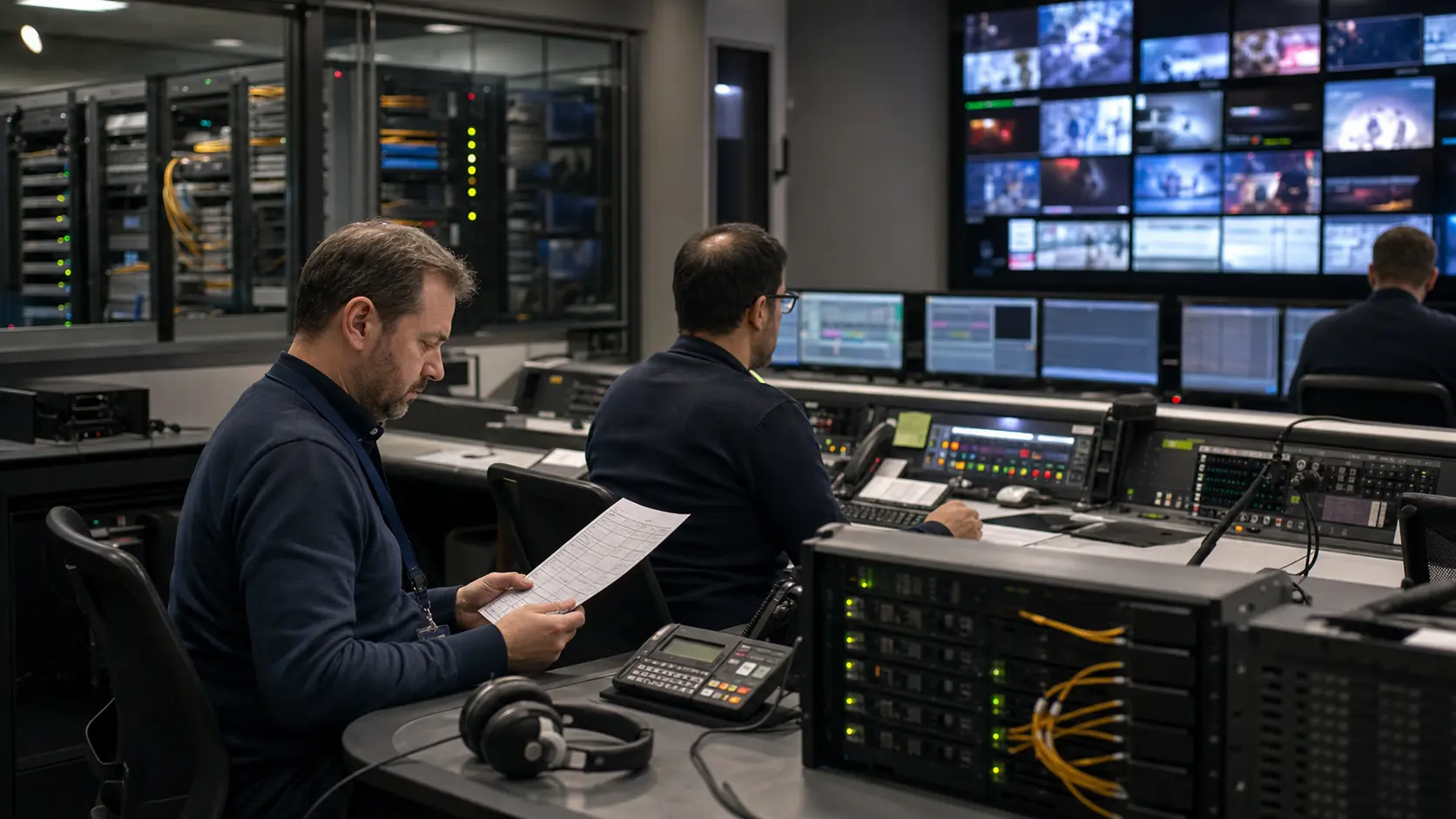
Broadcasting Center Europe sells continuity one media handoff at a time
A viewer notices Broadcasting Center Europe only when something goes wrong: a feed freezes, a rights window is missed, a live event does not reach a partner, a channel drops to black, or a file meant for one territory appears in another. The Luxembourg-based RTL Group company is…

Europe and Middle East Institutional
Bright Horizons turns a nursery place into a capacity promise
Bright Horizons Family Solutions Limited is not just selling childcare hours to parents. In the United Kingdom it sells a harder promise to households, employers and public institutions: that a regulated, staffed, inspected nursery place or back-up-care booking will exist when…

North America Regional ISP
Arcustech's hosting account has to make small-cloud support worth paying for
A small organisation choosing Arcustech is not only renting memory, disk and transfer. It is deciding whether a managed hosting account can reduce the operational risk that comes with a cheaper self-service server: late security updates, uncertain migrations, poor restore…

Europe and Middle East Institutional
Flynas makes a cheap seat depend on aircraft time
A passenger buying a low fare from Flynas is not buying a simple discount. The ticket is a timed claim on an aircraft, a crew, airport access, fuel, maintenance reserves and a booking system that must keep selling extras after the base fare has done its work. The commercial test…

North America Institutional
Gilead's treatment course must outrun the patent clock
A Gilead course is sold as more than a bottle, vial or injection kit: it is a promise that a clinic, payer and patient can turn laboratory evidence into durable disease control before rebates, rival drugs and patent expiry take the margin away.

Europe and Middle East Institutional
Alior's digital account has to make a challenger bank feel safe
For a Polish customer moving salary, cards, savings or everyday payments into a digital-first bank, Alior Bank's account is not just a cheaper current account. It is a promise that a challenger institution can protect deposits, keep payments available, price the account honestly…

Europe and Middle East Institutional
Alinma's sharia account has to turn compliance into trust
A Saudi customer opening a sharia-compliant current account is not buying a slogan. They are buying daily access to salary deposits, cards, transfers, credit, savings returns, branch support, mobile reliability and an assurance system that makes the bank's religious promise…