
Profile
Research
Research profile intelligence connects person, company, institution, and other entity coverage for readers comparing the subjects behind BTW.MEDIA reporting. The page helps compare public profiles, related events, evidence packs, role changes, operating footprints, governance exposure, organisational links, and market relevance while keeping organisation and people records distinct from ordinary news chronology. Readers can understand the subject behind the headline, the evidence supporting that profile, and the infrastructure or market relationships that make the profile relevant. They can see who or what the profile represents, which public sources support it, how it connects to companies, markets, governance bodies, or events, and what changes may deserve continued attention as the subject evolves.

History
The DNS Reply Carried the Request’s MAC Forward: RFC 2845
In 2000, DNS needed a way to authenticate a transaction without pretending that a shared secret was a public-key identity system. RFC 2845 made the response depend on the request’s MAC, then carried a running MAC across multi-message TCP replies. The result was a transcript with…

IETF
The Flow Record Named a PSID. It Did Not Name the Path by Itself
A compact identifier can make Segment Routing telemetry cheaper to carry and faster to join. It can also make a dashboard look more certain than the evidence permits. Revision 07 of the IPFIX PSID draft exposes the precise difference between a decoded value and an attributable…

History
The Server Forgot the Lock. Recovery Began by Refusing New Ones: RFC 3010
NFS version 4 turned a crash into an argument over remembered rights. RFC 3010 answered with a bounded order: identify the returning client, let old state be reclaimed, and keep new conflicts outside until that opportunity had passed.

IETF
The IPv6 Test Passed. The Update Channel Still Needed IPv4
The release dashboard was green. The main interface had loaded over IPv6, its API calls had completed, and the deployment was labelled ready. The first update exposed the missing cell: a helper still reached an IPv4-only repository. Revision 03 of an IETF application-testing…

History
The Access Concentrator Waited for the Cookie to Return: RFC 2516
PPPoE had to let a host find one concentrator on shared Ethernet without asking every unsolicited broadcast to become a costly PPP session. RFC 2516 kept discovery stateless until a session existed, then required both ends to allocate a virtual interface. Its optional AC-Cookie…

History
The Signature Verified. The Resolver Still Asked Who Was Allowed to Sign: RFC 3008
A correct cryptographic result did not yet make a DNS signature authoritative. RFC 3008 gave resolvers a second question: was this the kind of key that could speak for the zone data it signed?
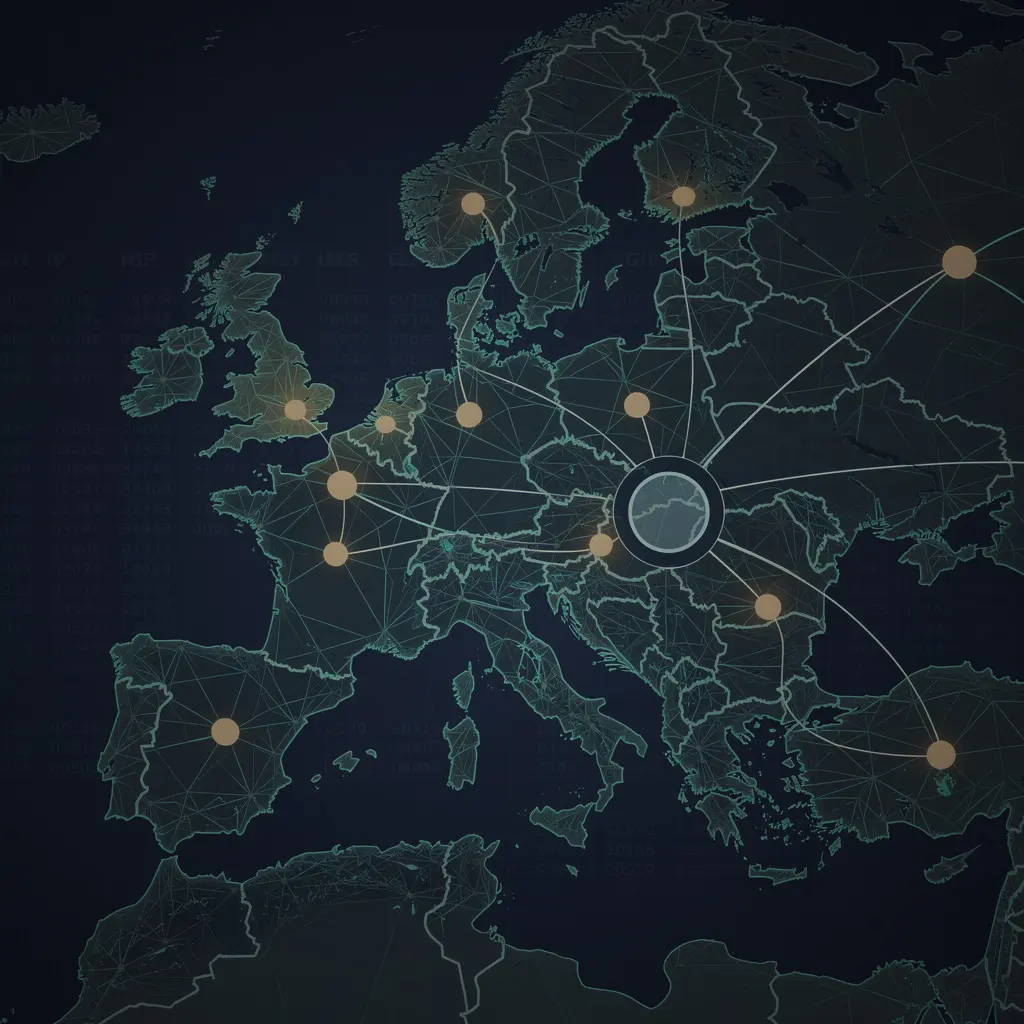
Global Datacenter
AS210860 after the silence: what changed since September — and the answer is nothing
AS210860 after the silence: what changed since September — and the answer is nothing intelligence summary explains the development, the public evidence available to readers, the organisations involved, the regional context, market exposure, and the infrastructure consequences…
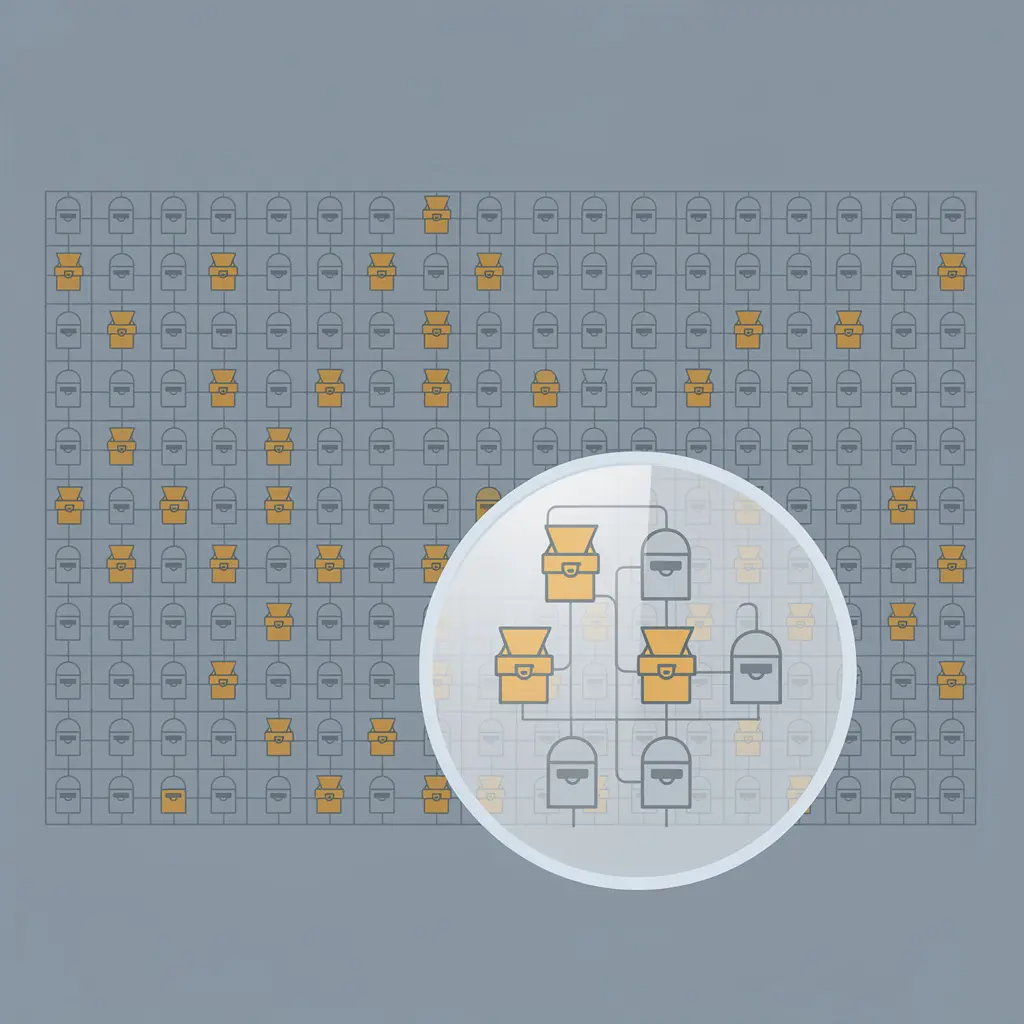
Europe and Middle East Institutional
The Campaign That Counts Mailboxes: Inside the RIPE abuse-c Validation Machine, 2018–2025
Every year, the RIPE NCC sends a machine's worth of checks against nearly ninety thousand email addresses in the RIPE Database, publishes the tally in its annual report, and calls the exercise complete. This report reconstructs that validation campaign from its own primary…

IETF
The Counter Read Zero. The Evidence Window Had Been Cleared
The QoS policy was still attached to the interface. The incident dashboard showed no classified packets, no meter violations and no queue drops. That could have meant the link had been quiet. It could also have meant that somebody had reset the counters. Revision 16 of an IETF…

History
The Sender Promised the Flow Would Shrink. The Router Policed the Promise: RFC 3006
A 48 kbit/s stream could be admitted as 33.6 kbit/s when a link could compress its headers. RFC 3006 made that discount local, conditional and enforceable against the flow that asked for it.

Europe and Middle East National Telecom
The Registry Ghost in the Routing Table: What AS41754 Reveals About Branch-Level Network Identity in Russia's ER-Telecom Holding
The Registry Ghost in the Routing Table: What AS41754 Reveals About Branch-Level Network Identity in Russia's ER-Telecom Holding intelligence summary explains the development, the public evidence available to readers, the organisations involved, the regional context, market…

Story
The abuse chain that validates its first link and stops there
Every year the RIPE NCC proves that tens of thousands of abuse-contact mailboxes work. Nothing it publishes measures whether a single third-party abuse report ended in verified remediation. This report traces that gap to the policy text that created the validation mandate, and…
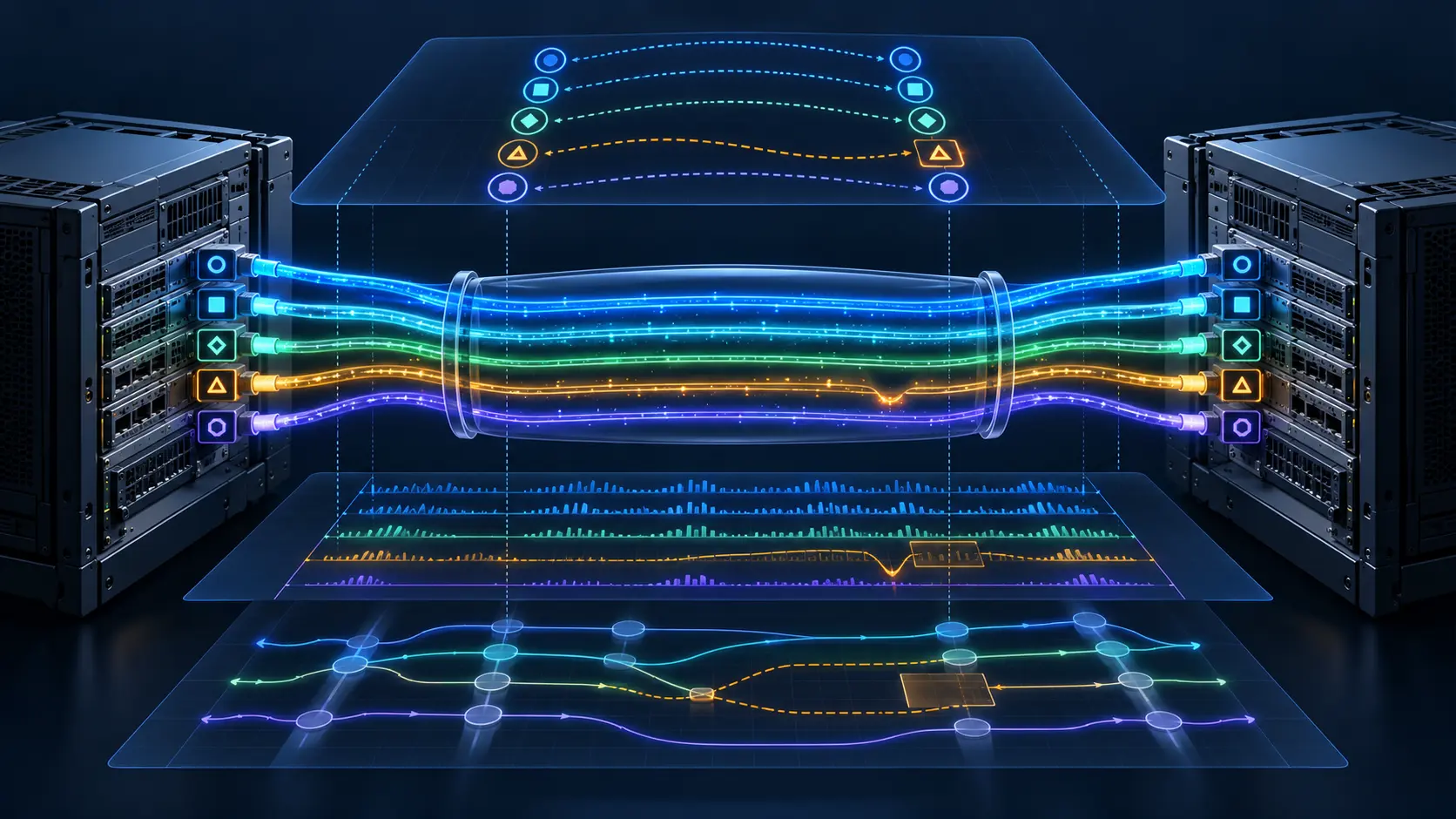
IETF
The Bundle Was Up. The Controller Still Could Not Pair Its Strands
A link-aggregation group can look like one healthy pipe while hiding several physical strands. A controller may know every local member at both ends and still be unable to say which port meets which across the gap. An IETF proposal adds the missing reciprocal labels—but also…

History
The List Was Open. Posting Was Conditional: RFC 3005 and the Moderation Boundary of the IETF
The IETF’s broadest mailing list invited technical and procedural argument from an open community. Its 2000 charter also named who could stop a pattern of abuse—and who could hear the complaint when that power was used.

History
NAT Was a Border Function. RFC 2993 Showed the Work It Sent to Applications
The address translator could leave ordinary web traffic untouched and still change what the Internet meant to an application. In 2000, RFC 2993 mapped the hidden work: address-bearing protocols needed gateways, endpoint updates and local name administration wherever translation…

IETF
The First Packet Opened the Return Path. It Did Not Authenticate the Caller
A network element sends a 1,200-byte empty knock. The management system throws away its contents, reads the apparent source address, and opens a new QUIC connection back. That reversal is the heart of a young IETF proposal—and a precise lesson in why a message that creates work…

Europe and Middle East Regional ISP
Vorboss After the Founder: A Dated Corporate Record, Unread Accounts and a Network Nobody Has Measured
Nearly a year after Tim Creswick left Vorboss, the public record shows a reconstructed board, a filed-but-unread set of FY2025 accounts, an unchanged controlling shareholder — and a lawsuit that exists so far only as its author's own announcement.

History
The Namespace Was Global. Resolution Was Not: RFC 3001, RFC 3061, and the Authority Hidden in `urn:oid`
A name can travel everywhere without telling anyone where to look. When the IETF carried entity identifiers into URN syntax in 2000, it preserved a delegated system of authority—and left resolution, validation and trust outside the string.

IETF
The Registry Closed. The Number Did Not Die
Standards institutions rarely get a clean shutdown switch. Their harder task is to stop allocating new meaning without pretending that old meaning vanished. A six-page Internet-Draft about legacy IANA registries exposes that problem with unusual precision: it proposes four…

History
Equal Cost Did Not Make the Paths Interchangeable: RFC 2991 and the Price of Stable Multipath
Two routes can tie in the routing table and still disagree about packet size, delay and what a probe can see. In 2000, RFC 2991 made the router’s choice among those paths a question of how much disruption a network was willing to accept.