
Profile
Research
Research profile intelligence connects person, company, institution, and other entity coverage for readers comparing the subjects behind BTW.MEDIA reporting. The page helps compare public profiles, related events, evidence packs, role changes, operating footprints, governance exposure, organisational links, and market relevance while keeping organisation and people records distinct from ordinary news chronology. Readers can understand the subject behind the headline, the evidence supporting that profile, and the infrastructure or market relationships that make the profile relevant. They can see who or what the profile represents, which public sources support it, how it connects to companies, markets, governance bodies, or events, and what changes may deserve continued attention as the subject evolves.

Story
LACNIC Whois routing-c Can Register Routing Policy, Not Prove Who Operates BGP
LACNIC Whois routing-c Can Register Routing Policy, Not Prove Who Operates BGP intelligence summary explains the development, the public evidence available to readers, the organisations involved, the regional context, market exposure, and the infrastructure consequences that may…
CASE FILE
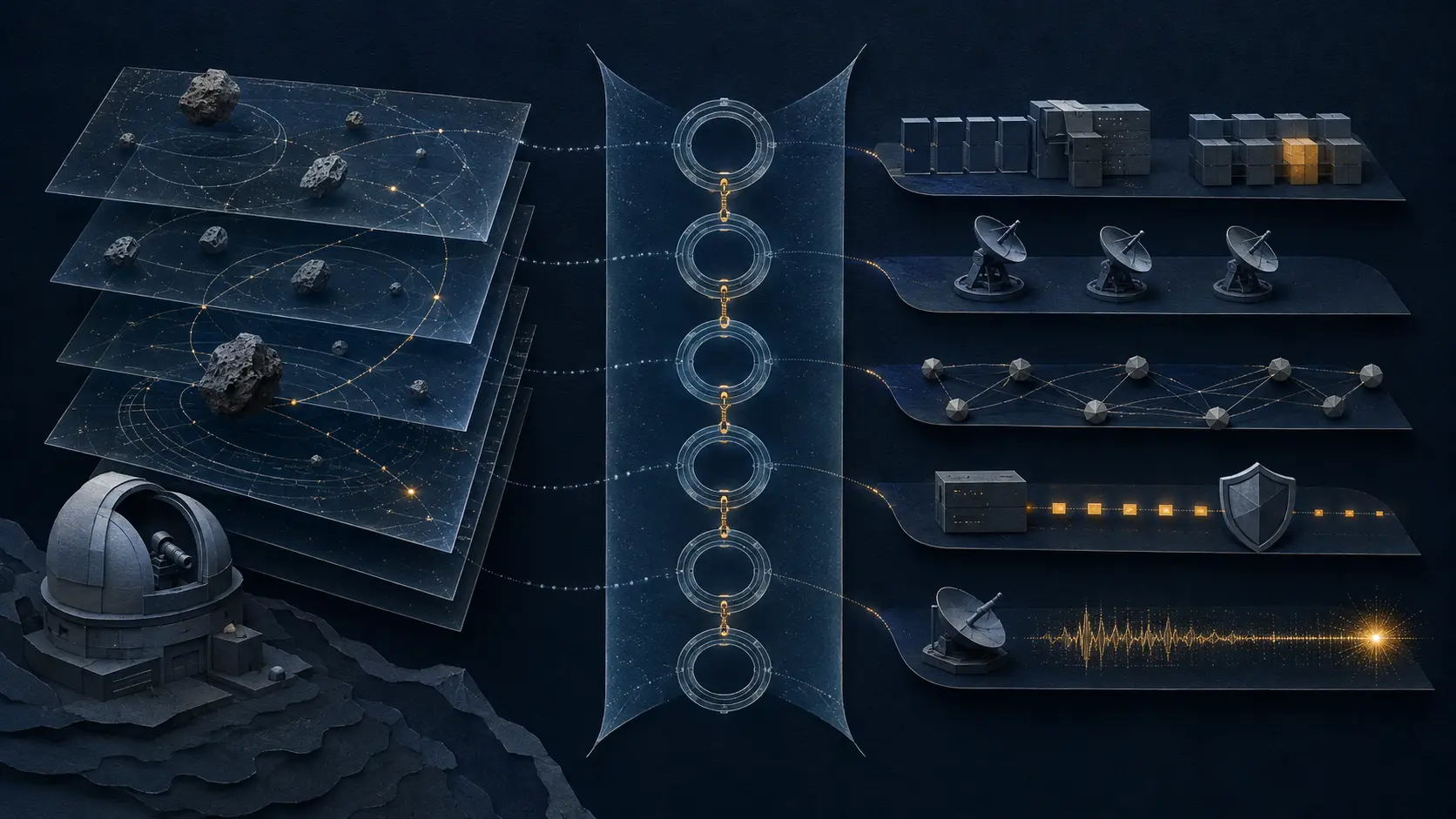
A Celestial Name Is Not a Network Address: The Authority Split TIPTOP Has to Preserve
One entity can be discovered under a temporary tag, receive several provisional designations, gain a permanent number and acquire a name years later. A route cannot afford to mistake any one of those labels for proof of where a packet should go.

History
The Route the Sender Tried to Choose: How IPv4 Source Routing Lost Its Default Trust
IPv4 once carried a small, mutable itinerary inside the packet itself. The history of source routing is the history of how that sender-supplied path changed from a protocol feature into an explicitly configured exception.

History
The Address That Meant Everyone: How IPv4 Broadcasts Chose Ones Over Zeroes
IPv4 did not gain broadcasting through a new flag. It gained it by teaching hosts and gateways that some destination values did not name one machine at all. A field of ones came to mean everyone within a scope, while receivers carried an awkward obligation to understand the…

Leaders
Hisham Ibrahim and the Measurement Problem Inside Community Building
When RIPE NCC reorganised its community work in 2021, Hisham Ibrahim inherited more than a collection of events and services. He inherited a harder management question: how can an institution tell whether community activity creates lasting value rather than merely producing a…

Story
AFRINIC Whois mnt-domains Authorizes Reverse-Domain Records, Not DNS Service Operation
A database key can authorize the creation of a reverse-domain record while every DNS query to the supposed service still times out. In the AFRINIC Database, `mnt-domains` identifies a maintainer with authority over child domain-entity creation. It is evidence about registry…

CASE FILE
The IAB Gave Post-Quantum Authentication Evidence Another Week. It Still Needs a Chain of Custody
The extended deadline invites one more week of operational evidence. The harder task begins after a paper arrives: keeping measurements, disclosure choices, workshop synthesis and eventual standards work from collapsing into one unsupported claim.

History
The Bit That Made Routers Report Their Limits: IPv4 DF and Path MTU Discovery
One IPv4 flag began as a prohibition: do not split this datagram. Path MTU Discovery turned that refusal into a measurement loop. An oversized packet would be discarded, a router would report the narrow link, and the source would learn what the path could carry—provided the error…

Story
RIPE assignment-size Describes Aggregated IPv6 Assignments, Not Active Subscribers
A `/46` contains 1,024 possible `/56` prefixes. When a RIPE Database entity pairs that aggregate with `assignment-size: 56`, the arithmetic is exact—but the tempting subscriber count is not. The field records the size used for End User assignments inside an aggregate…

CASE FILE
The Message Was Encrypted. Its Headers Still Needed Their Own Receipts: RFC 9788
An encrypted-mail badge compresses a complicated evidence chain into one reassuring symbol. RFC 9788 shows why the symbol cannot answer which header was hidden, which sender identity was authenticated, what an intermediary changed, or where a reply may safely go.

CASE FILE
A CA Audit Is Not a Certificate-Issuance Verdict
An annual assurance report can show that a certificate authority’s controls were examined over a bounded period. It cannot, on its own, answer the smaller and more consequential question a relying party often needs to ask: why was this exact certificate for this exact name and…

CASE FILE
Four Bits Looked Like IP. They Were Not: RFC 9790 and the End of Payload Guessing
An MPLS router can see `0x4` after the label stack and reach for an IPv4 hash. RFC 9790 explains why those four bits cannot carry that conclusion on their own.

CASE FILE
One Circuit Failed. The Port Did Not: RFC 9784 and the Cost of the Wrong Failure Domain
A provider edge port can carry thousands of virtual services. RFC 9784 asks operators to prove which entity failed before allowing recovery to inherit the size of the container.
History
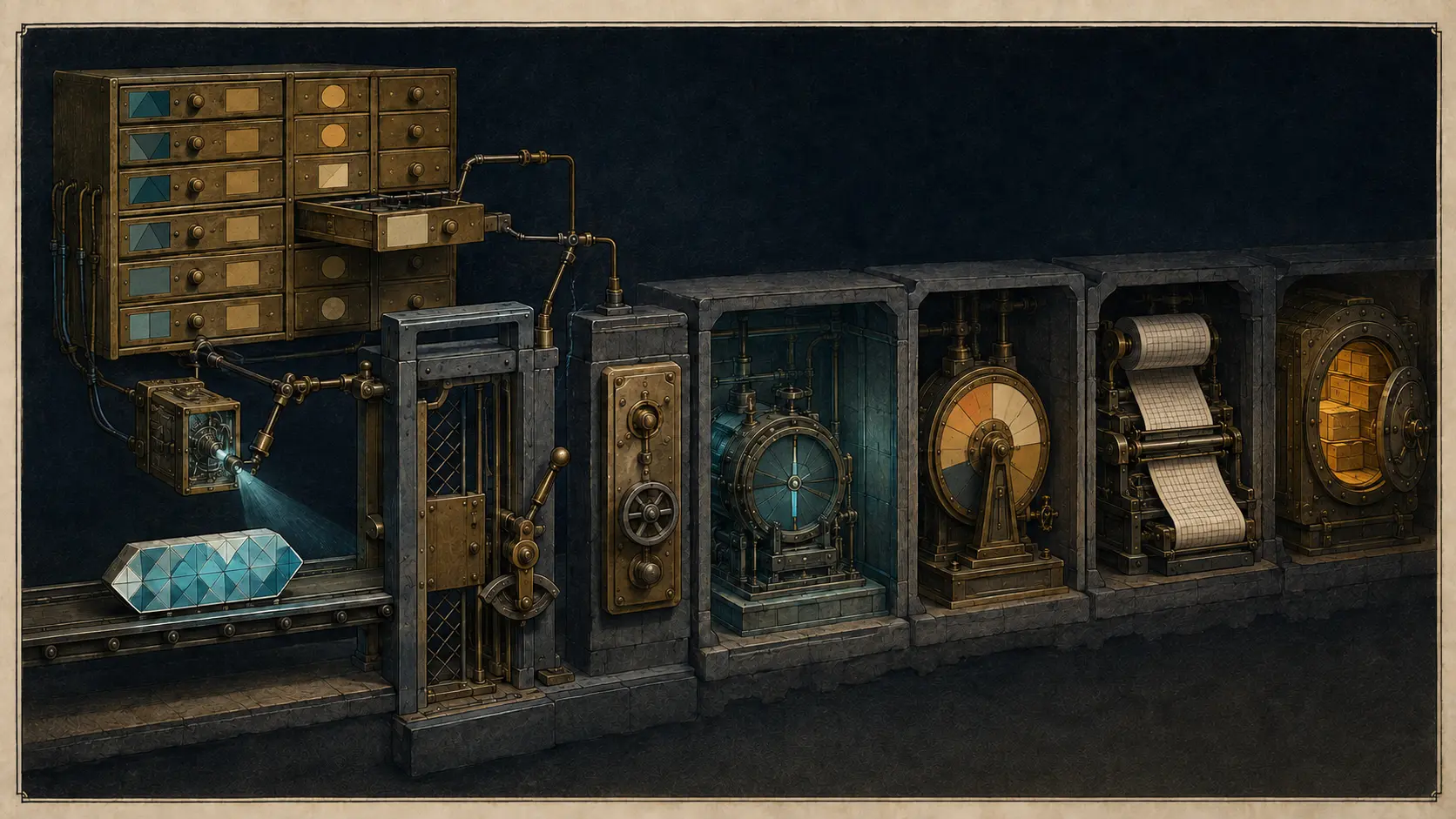
The Address Was Supposed to Declare the Charging Rule Before Contact: RFC 1681
In 1994, one IPng paper imagined a Gopher server redirecting a caller to a paid destination before any useful warning could appear. Its answer was to make the destination address speak first: some bits would identify who paid, or point to a charging algorithm. RFC 1681 exposed a…
History
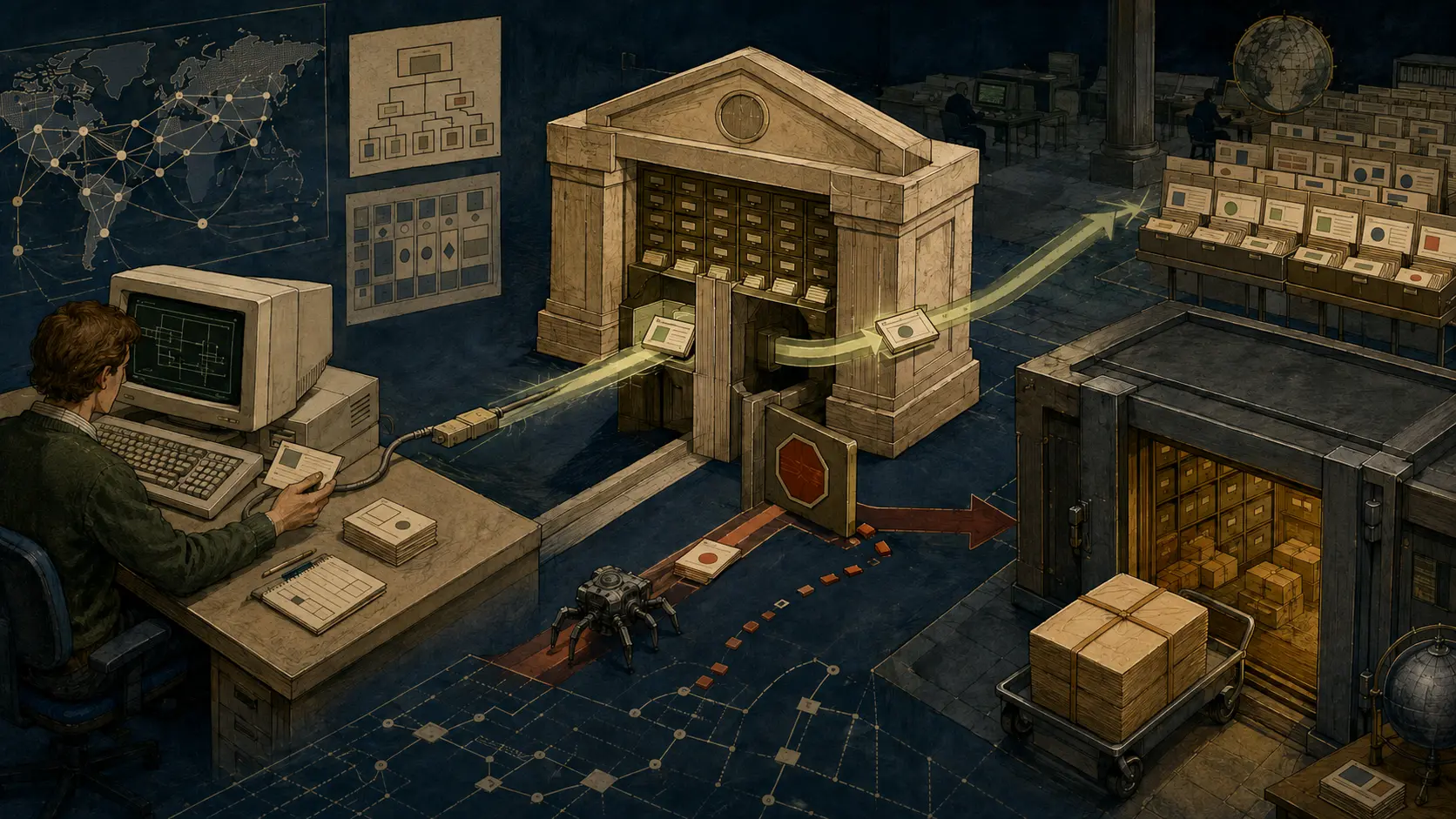
The Index Could Refuse the Question Before Retrieval: RFC 1862
A search box appears to sit outside the document it finds. The entity keeps its permissions; the index merely points. In 1994, an IAB workshop saw why that division was incomplete. A directory could expose the existence of a record before the entity server ever had a chance to…
CASE FILE
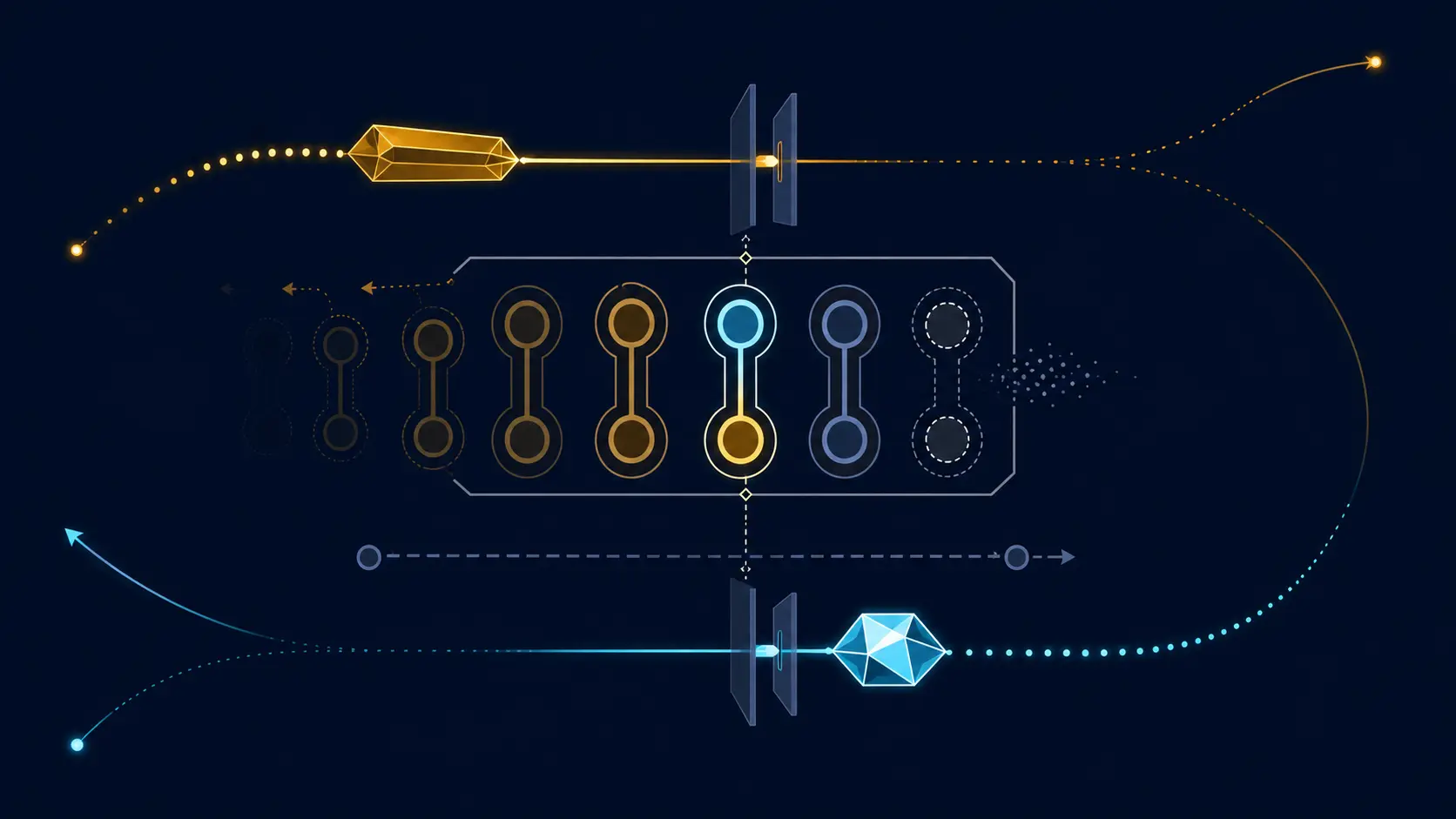
The Timestamp Was More Precise. The Association Still Had to Survive: RFC 9769
RFC 9769 can deliver a transmission time captured closer to the wire by placing it in a later packet. The improvement is real only while the state linking those exchanges remains intact.

CASE FILE
The Root Verified. The Proof Still Could Not Name the Leaf
A one-bit path can point to leaf 1, 2, 4 or 8, depending only on how large the tree was. The current SCITT profile can still prove that a candidate statement belongs under a signed CCF root. What it cannot always do, from the proof alone, is say where that statement sat.

History
The Test Measured the Reserve by Spending It: RFC 1628
A UPS exists to preserve power when ordinary supply disappears. RFC 1628 defined a diagnostic that learned more about that reserve by deliberately drawing it down. The result could improve confidence in battery replacement and run time, but the test left the protected load with…

CASE FILE
The Message Fit the Schema. That Still Did Not Make It True: RFC 8927
RFC 8927 builds a deliberately narrow gate for JSON messages. A message that passes has the declared shape; identity, authority, freshness and real-world effect still wait on the other side.
History
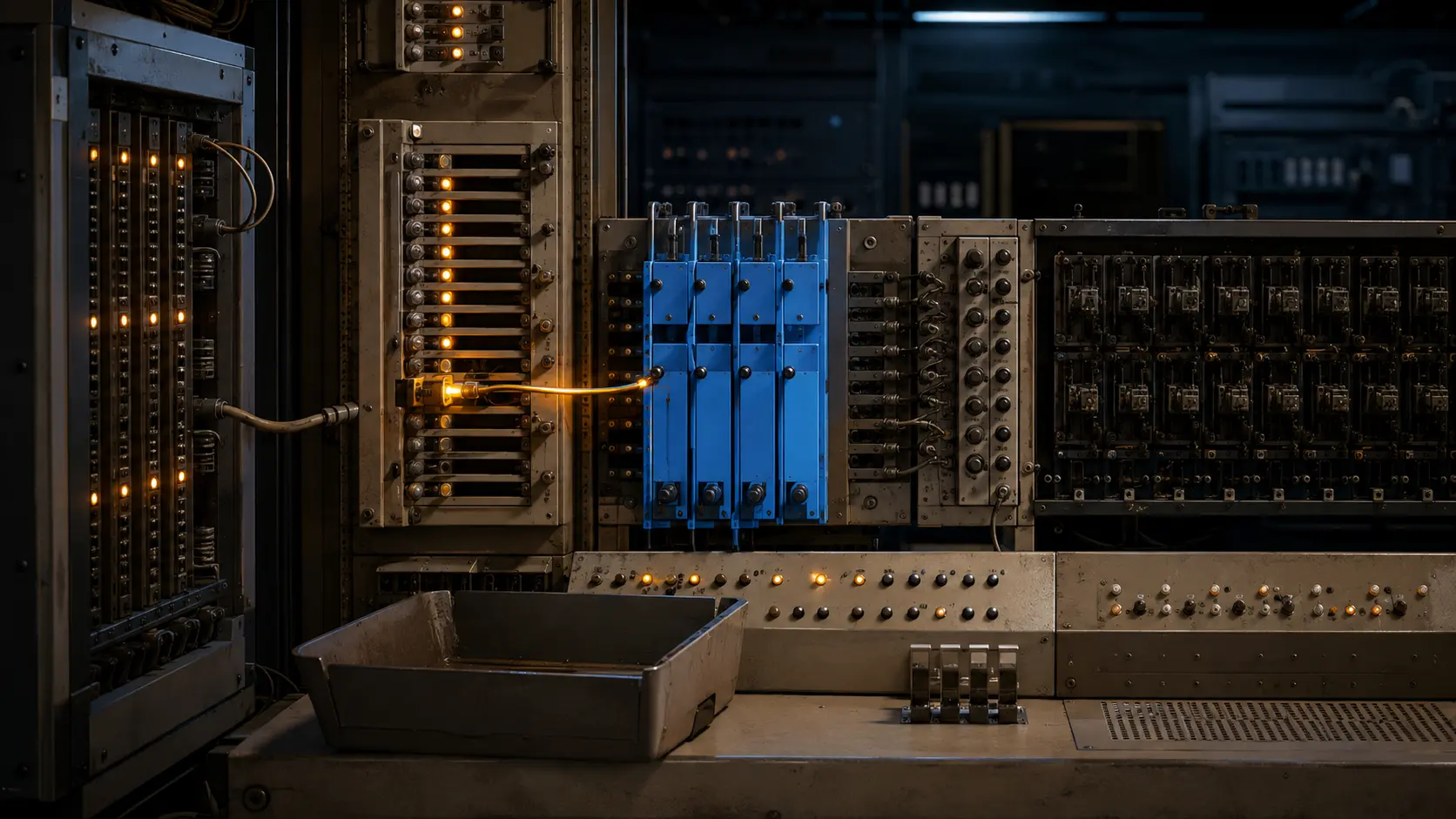
The Switch Named the Service. The Endpoint Had Not Opened It: RFC 1618
An ISDN call could arrive at the number reserved for PPP and still meet a closed service. RFC 1618 made the order explicit: the switch could identify which doorway had been called, but only a human or local program could authorize PPP to use it. Without that administrative…