
Profile
Analysis
Analysis profile intelligence connects person, company, institution, and other entity coverage for readers comparing the subjects behind BTW.MEDIA reporting. The page helps compare public profiles, related events, evidence packs, role changes, operating footprints, governance exposure, organisational links, and market relevance while keeping organisation and people records distinct from ordinary news chronology. Readers can understand the subject behind the headline, the evidence supporting that profile, and the infrastructure or market relationships that make the profile relevant. They can see who or what the profile represents, which public sources support it, how it connects to companies, markets, governance bodies, or events, and what changes may deserve continued attention as the subject evolves.

History
The Forwarding Evidence an IP Error Left Out
The router removed the labels before it prepared the error. What remained could identify the original IP conversation while omitting the state that had governed its passage through the network. Adding that state to ICMP made a report more useful. It did not make the report a…

ICANN
One Portal, No Clock: Who Actually Grants Zone-File Access?
CZDS lets a researcher ask many generic top-level-domain registries for zone files from one place. The common doorway is easy to mistake for a common decision. It is neither automatic access nor a single permission desk.

History
The Number That Came Back Unchanged: PPP’s Magic-Number
A PPP endpoint could receive the exact number it had just sent and be entirely satisfied. It could receive the same number in another kind of packet and suspect a loop. The distinction was not in the four bytes. It was in the action those bytes belonged to—and in the small…
ICANN
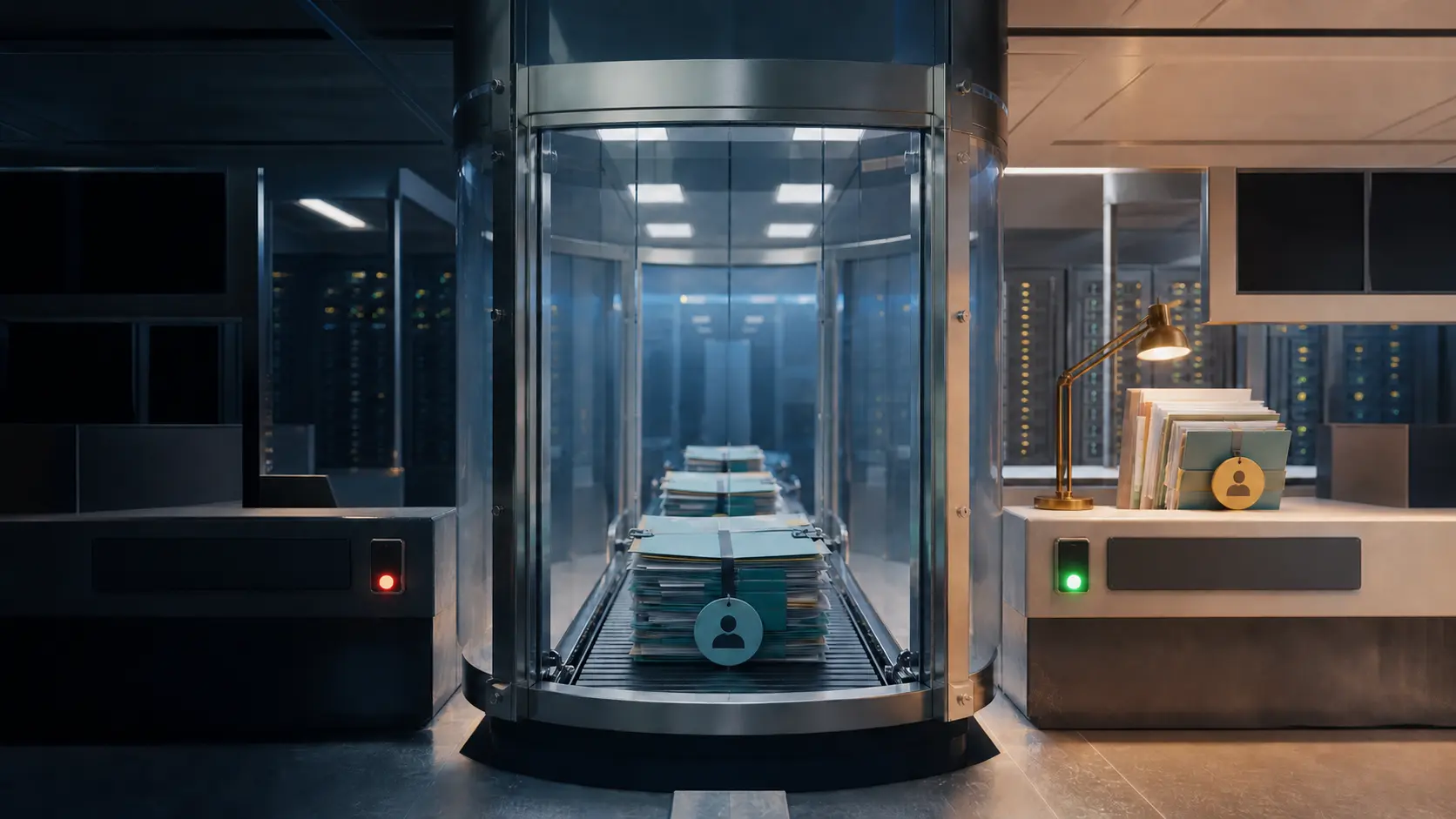
When ICANN Ends a Registrar, Who Receives the Domains?
ICANN’s public bulk-transfer table shows a terminated registrar, a gaining registrar and a date. The missing middle is the consequential part: who was eligible to receive the registrations, which operating promises mattered, and what the decision did—and did not—give the…

History
The Message SMTP Could Forget Without Hanging Up: How RSET Defined Transaction Scope
One rejected recipient can leave a mail server holding an awkward remainder: a valid sender, one accepted destination and a message that should no longer be sent. SMTP’s quiet answer was `RSET`, an acknowledged way to forget that unfinished message while keeping the conversation…

History
Borrowed Bytes: How DHCP Reused Its Boot Fields
A thirteen-byte filename could be too large—not for a DHCP message, and not for an option, but for the space left in one field. Reusing old boot fields solved one shortage. Reassembling the pieces in an agreed order solved another. The distinction made a small extension into a…

History
Two Queries, Two Servers: Why DNS Needed NSID
A service address can stay the same while the machine answering changes. DNS needed a way to identify the instance behind a particular reply, not merely whichever instance answered the next question. The resulting standard made the association precise while leaving the identity…

History
The Random Bit That Congestion Erased: The ECN Nonce Experiment
An experiment can work and still lose its claim on shared protocol space. ECN Nonce made a receiver's congestion report testable by exploiting information a router had destroyed. Its withdrawal illuminates both the limits of that test and the cost of keeping an experiment alive…

History
The Name That Entered Through Port One: TCPMUX and the Scope of Coordination
A two-page proposal from 1988 let a new service borrow a common entrance instead of acquiring its own official TCP port. The interesting question was not whether numbers disappeared, but which decisions could now remain inside the host.
History
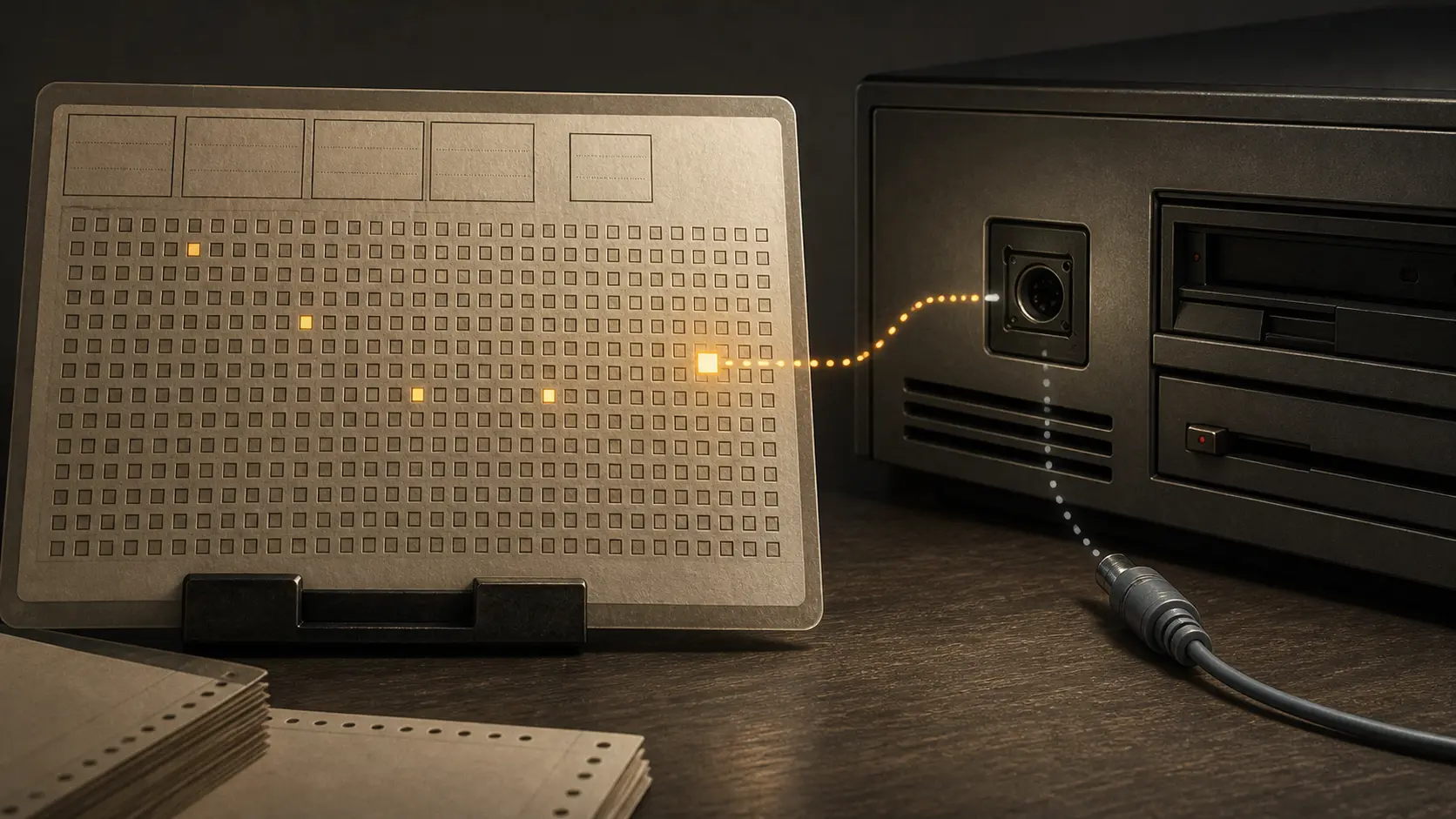
The Bit That Could Not Keep a Service Running: Why DNS WKS Never Became a Live Directory
Before opening a connection, an early Internet mailer could inspect one bit in DNS and decide whether a server existed. The bit was exact. The world behind it was not.

History
The Answer That Could Only Name What One Server Knew: Why DNS Retired IQUERY
A DNS request once arrived with no question at all. Instead, it placed a resource record in the Answer section and asked the server to supply every name that matched it. The reversal looked elegant on paper: if an ordinary query mapped a name to a value, an inverse query would…

History
The Reply That Could Not Say Which Packet Arrived: How Karn’s Algorithm Taught TCP to Refuse a Measurement
A sender transmits one TCP segment, waits, and sends the same sequence space again after its timer expires. An acknowledgment then advances. Delivery has become visible, but causation has not: the ACK carries no label saying whether the first transmission was merely slow or the…

History
The Mask That Silence Guessed Wrong: How ICMP Bootstrapped a Subnet
A host wakes with an IPv4 address but no rule for deciding which destinations are on its own wire. It broadcasts a question: what mask divides this address into network, subnet and host? Nothing answers. The old specification permits a conservative guess—the unsubnetted mask…

History
The Label a Firewall Could Not Safely Erase: IPv4's Security Option in Closed Networks
A firewall sees an unfamiliar security option and removes it. The packet now looks simpler, but it may be less safe. In a network that uses IPv4 sensitivity labels, the receiver can reject the unlabelled packet—or attach an implicit label that is too high or too low. Type 130…

History
The Test That Succeeded by Saying Nothing: What Discard Could Actually Prove
An engineer sends a known stream to port 9 and waits for confirmation. None arrives. That is not an omitted feature: RFC 863 requires the Discard service to throw the data away and send no response. The test can still be useful, but only if its operator names which layer produced…

History
The Clock Answer with No Grammar: Why Daytime Was for People, Not Programs
A client connects to port 13 and receives a perfectly valid answer. Another host returns the same moment in a different order, with a different year width and another kind of timezone label. Both exchanges succeeded. RFC 867 promised a readable clock line, not a grammar that…

History
The One-for-One Replies That Never Stopped: How Echo and Chargen Formed a Network Loop
The sender can vanish after the first datagram. One machine receives a packet and generates characters for the address named as its source. A second receives those characters and echoes them back. From then on, each reply is the other service's request. Nothing in either…

History
The Null Byte That Made Return Unambiguous: How Telnet Distinguished a New Line from a Carriage Return
A print head has reached column forty when the network sends carriage return. Should it move to the left edge of the same line, or is a line feed about to move it down as well? Telnet refused to make the receiver guess. The next byte carried the distinction: `LF` meant new line…

History
The Server That Changed Jobs Mid-Connection: How NNTP Made Roles Explicit
One NNTP connection can begin by offering peer-to-peer article transfer and, after two words from the client, present itself as a reading service. The socket has not moved. The server’s authority has. `MODE READER` made that change visible—and made stale assumptions dangerous.

History
The Retraction That Had to Travel as News: How Usenet Made Cancellation a Local Decision
One cancel article reaches three news servers. The first already holds the named post and withdraws it. The second rejects the request under local policy. The third has not yet seen the post, so it remembers the Message-ID and refuses the late arrival. Nothing in that sequence…