
Primary Domain
Telecom Policy
Within the Primary Domain facet, Telecom Policy intelligence groups reporting by primary domain so readers can follow a focused area of internet infrastructure, governance, connectivity markets, or digital capital. The page brings together related articles, public evidence, institutions, companies, people, regional exposure, operating dependencies, and market context that may otherwise sit across separate category pages. It explains the domain, the likely actor class, the market or governance context, and the source material readers should use when comparing signals. Operators, analysts, and governance readers can see how the same domain appears across events, profiles, market shifts, public-source evidence, regional dependencies, and longer-cycle infrastructure decisions over time.

Asia-Pacific National Telecom Trends
TRAI's spam rules: an identity check is not a clean slate
India's September framework gives a sender a way to challenge a spam label. It also says that passing an identity check need not erase an instance from the enforcement history. The distinction matters well beyond the warning on a phone.
Africa National Telecom Trends
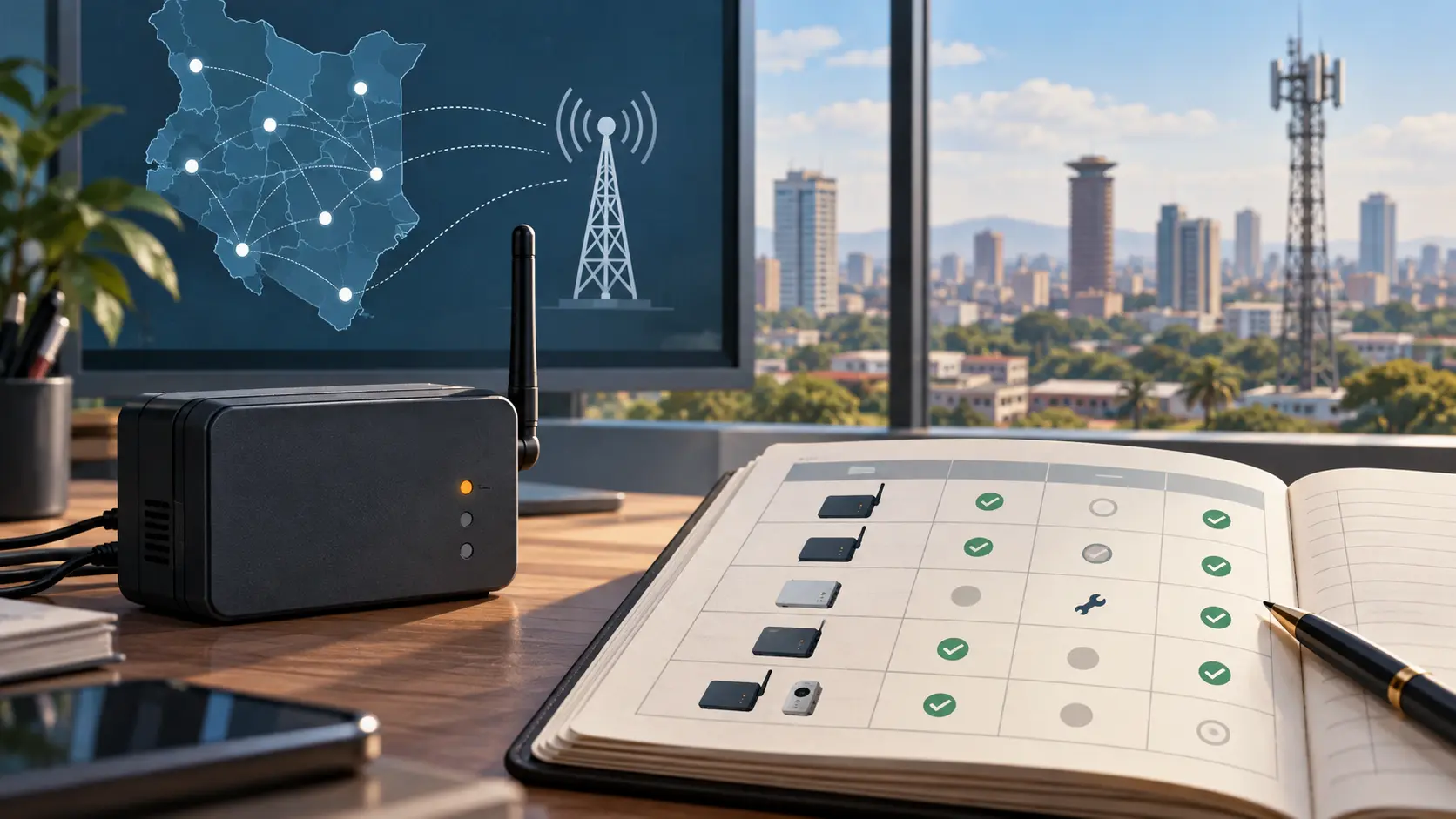
Kenya's alarm-fee proposal: why the sixth unit matters
A proposed annual rate of KES 680 sounds easy to budget for. But a five-unit billing rule would make the move from five alarms to six considerably more expensive than the headline suggests.
Latin America and Caribbean National Telecom Trends
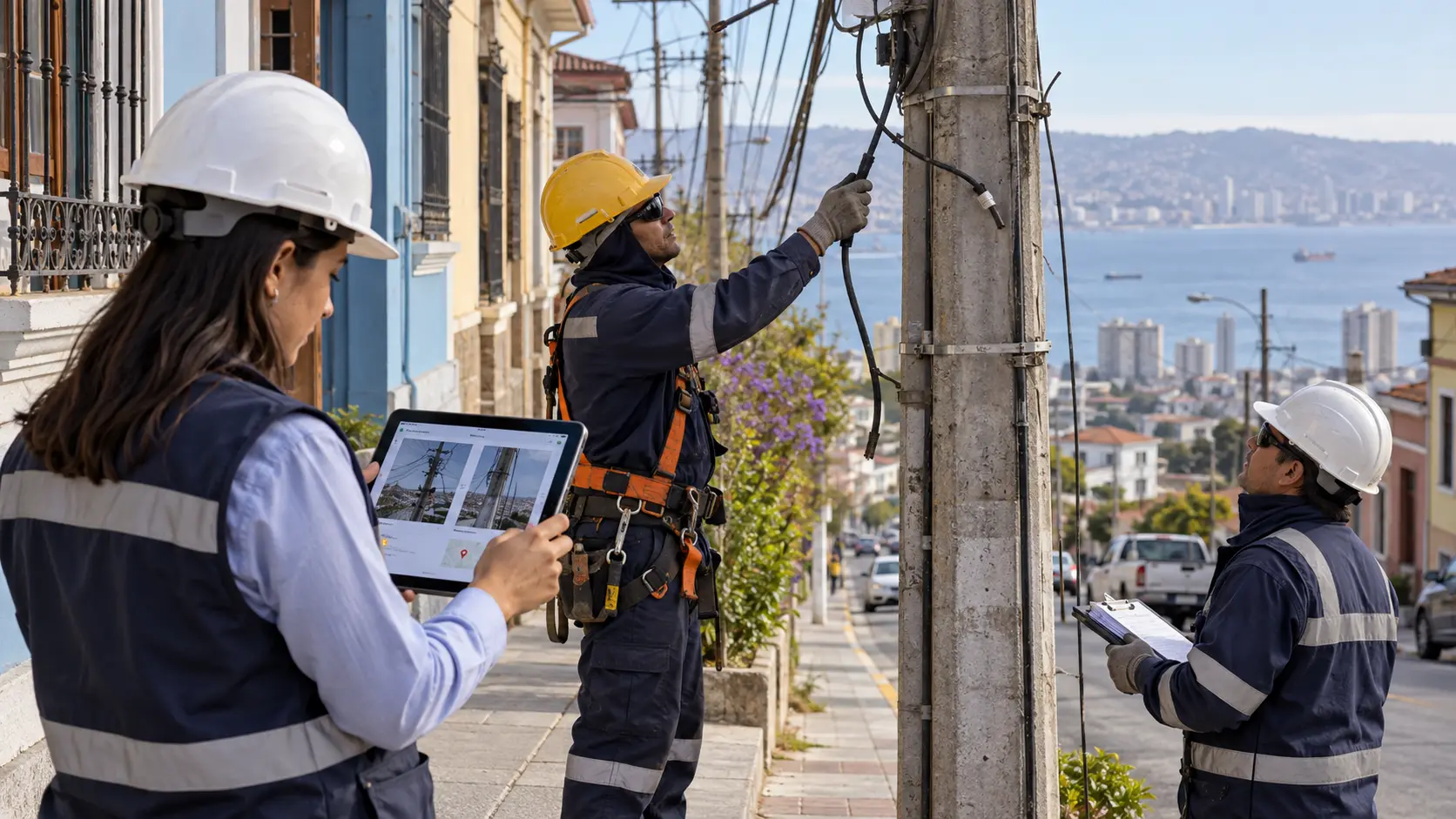
In Chile's cable clean-up, silence can sign off the work
A municipality has 30 days to answer a handover request before acceptance is presumed. That keeps the paperwork moving. It does not tell a resident what happened at the pole.
North America National Telecom
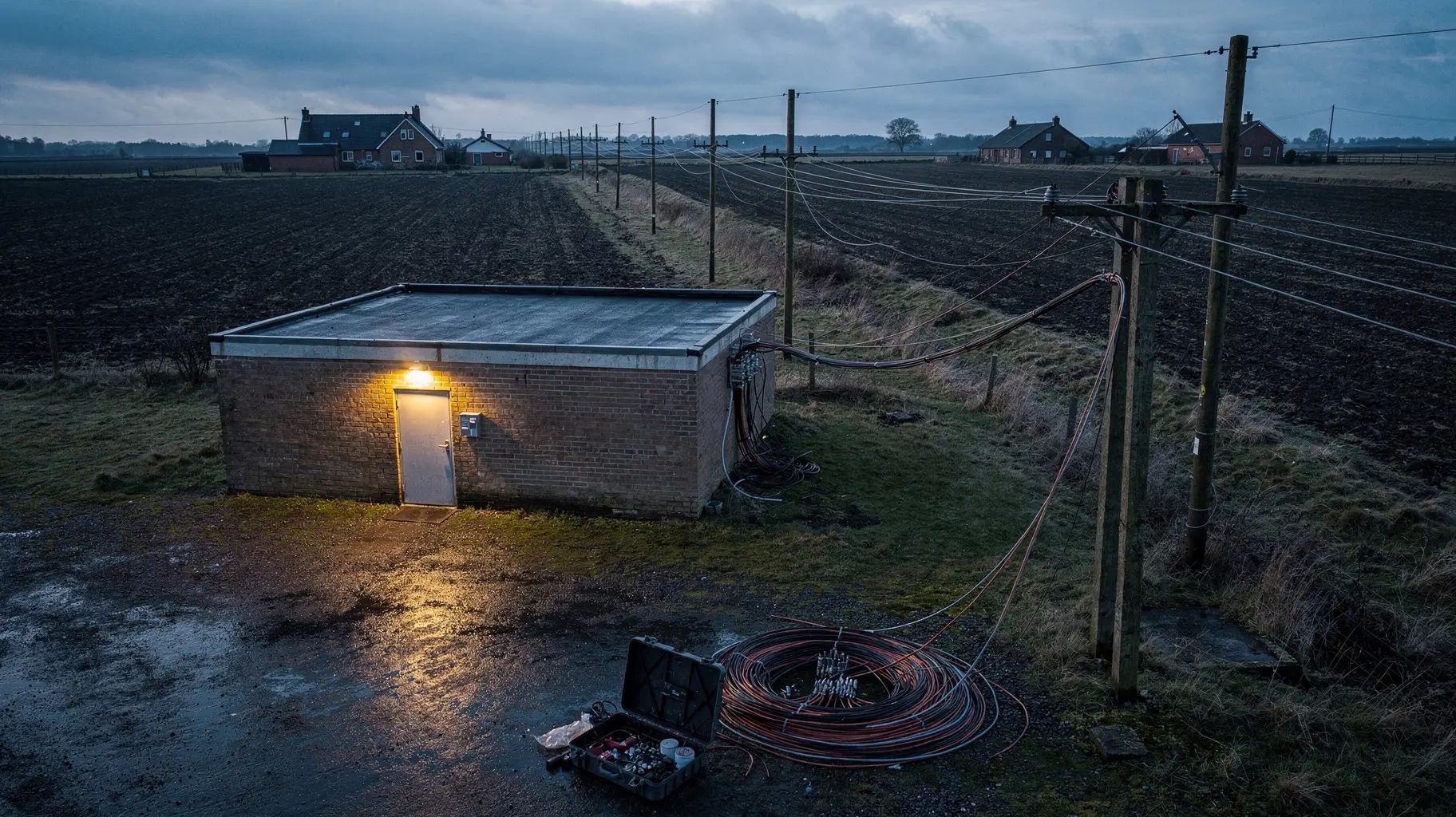
After the Frontier deal, a phone still has to work in a power cut
California wrote backup power into its approval of the sale. Pennsylvania wants a network audit. The promises that matter to customers run well beyond the closing date.

Africa National Telecom Trends
Smile's old licences have a new buyer in mind. What about users?
Smile Telecoms SA says it has provided no commercial services since receiving its licences around 2009. A proposed transfer to Sporic Solutions puts a more useful question than customer handover on the table: can those rights become a service people can buy?

Latin America and Caribbean National Telecom Trends
ECTEL can change the spectrum bill. What about yours?
For an operator, cheaper access to airwaves could make a network investment more attractive. For a household, the question is simpler: will the connection work better, and will the bill hurt less?

North America National Telecom Trends
Who pays when Ottawa orders telecom equipment out of a network?
An investment can lose its usefulness before the equipment wears out. Canada's new cyber law gives that risk a political dimension—and does not promise the operator a cheque.

Africa National Telecom Trends
A telecom tower's last day may not belong to its owner
Taking down a tower can save its owner money and leave another provider needing a replacement. Liberia's draft asks how to let an operator leave without treating a working connection as someone else's problem.

North America National Telecom Trends
Who connects the factory after Mexico auctions the airwaves?
A factory needs a connection it can use, not a supplier's winning bid. Mexico's industrial spectrum tender leaves up to a year for providers to prepare their offers—a revealing gap between buying rights and earning a customer's business.

Africa National Telecom Trends
Keeping your number should not mean chasing three companies
Mauritius wants mobile customers to take their number to a new network. Its proposed sole portability provider would make that choice possible; the difficult part is deciding who must put things right when the networks disagree.

Asia-Pacific National Telecom Trends
A phone number moves. The duty to protect its owner does not.
Amaysim paid A$138,600 over unauthorised number transfers. A separate Ezee Mobile case shows why a fraud safeguard also needs to work after the transfer.

Africa National Telecom Trends
Nigeria's MVNO draft puts a clock on the deal, not the first call
A proposed 120-day deadline would limit how long a host can take to conclude an agreement. The argument at Nigeria's public inquiry was also about what the host must agree to—and which costs come out before revenue is shared.

Europe and Middle East National Telecom Trends
Telia moves technology roles closer to markets; accountability is the next test
Telia’s proposed transfer of about 220 technology positions to country units is a change in where work sits. Whether it improves decisions will depend on the authority, expertise and service obligations that move with it.

Europe and Middle East National Telecom Trends
Ofcom's empty columns have an explanation. The falling line count needs another.
Britain's fixed-voice market is shrinking in the published figures. To understand whose business is changing, readers first have to separate a decision about disclosure from a change in the network.

Asia-Pacific National Telecom Trends
Australia's telco safety test starts with the callback
A support number on a website is only the beginning. The harder question is whether the account, the billing system and the next employee respect the customer's safe way to be contacted.

Latin America and Caribbean Regional ISP
Vahos was in the register. The name search missed it.
A Colombian community operator appeared to leave no official trace. Its tax number opens a different story—and a more useful question about who keeps a small network connected.

North America National Telecom Trends
Canada's mobile-network test starts with an old tower
A new antenna on a shared mast counts as expansion in the CRTC's latest inquiry. The harder question is whether temporary access to a rival's network is helping regional carriers build something that lasts.

Europe and Middle East Institutional Trends
Ofcom's eight-hour rural outage rule has more than one clock
A proposed reporting threshold would make a single rural mobile site count. Working out when to notify the regulator still requires a separate question: what else has the outage done?

Asia-Pacific National Telecom Trends
AusAlert's 94% result counted towers, not phones
Australia's national warning test cleared its broadcast benchmark. A letter written five weeks earlier shows why emergency officials wanted to know what happened at the other end.

Europe and Middle East National Telecom Trends
Spain's 400 numbers make the sales pitch visible before you answer
The new commercial-call prefix cannot be called back. A dispute over fresh numbers shows what happens when a sales call becomes easier to recognise—and easier to ignore.