
Primary Domain
Internet Infrastructure Institution
Within the Primary Domain facet, Internet Infrastructure Institution intelligence groups reporting by primary domain so readers can follow a focused area of internet infrastructure, governance, connectivity markets, or digital capital. The page brings together related articles, public evidence, institutions, companies, people, regional exposure, operating dependencies, and market context that may otherwise sit across separate category pages. It explains the domain, the likely actor class, the market or governance context, and the source material readers should use when comparing signals. Operators, analysts, and governance readers can see how the same domain appears across events, profiles, market shifts, public-source evidence, regional dependencies, and longer-cycle infrastructure decisions over time.

Leaders
Anne Lord Gave APNIC Eight Weeks to Think. The Room Argued About the Clock.
At a Seoul policy meeting in 2003, Anne Lord brought APNIC a deceptively awkward proposal: decide how APNIC should decide. The room had to choose how long a decision would remain open to people who could not travel, speak up quickly in English, or spot the consequences in a…

Leaders
Raúl Echeberría's Two Offices: Executive Authority at LACNIC, Board Authority at ISOC
Raúl Echeberría worked at the crossing of two institutions whose responsibilities often meet in public debate but do not share a chain of command. At LACNIC he led an organisation that allocated Internet number resources and served a membership that also governed it. At the…

Leaders
Noah Maina and the Work Between a Ballot and a Mandate
In 2017, an AFRINIC community election for a regional seat on the Address Supporting Organization Address Council and Number Resource Organization Number Council produced a clear count: Noah Maina received 135 votes, while Mark Elkins received 26. The number tells us who won that…

Leaders
Srinivas Chendi and the Craft of Making Policy Reachable
APNIC’s records place Srinivas Chendi in two settings that rarely meet in an organisation chart: the member helpdesk and the policy room. Across the work documented by the regional registry, he appears as a hostmaster, liaison, trainer and explainer of process. His contribution…

Leaders
Edward Lewis and the DNSKEY Flag That Could Not Create Trust
The Secure Entry Point bit gives DNSSEC operators and some signing tools a compact way to record intended key use. Its value depends on a strict limit: it can guide handling, but it cannot make a key authentic or change what a validating resolver must prove.

Number Resource Society
An Identity Claim Its Own Citation Cannot Carry
*A record names "The Internet Registry System" as a Mauritius-incorporated private company registered with RIPE NCC. The single document attached to that description discusses government outreach. Set beside the texts that do describe number-resource authority, the case produces…

Leaders
Göran Marby left ICANN’s CEO post; his consulting term ran to May 2024
The Board accepted Göran Marby’s resignation on 21 December 2022, ending his status as ICANN’s president, chief executive and ex-officio director. The next day, a consulting arrangement began under the remainder of his executive agreement. That change of status makes his…

Number Resource Society
The Number Resource Organization: How Five Registries Coordinate the Internet's Address Space
The Number Resource Organization: How Five Registries Coordinate the Internet's Address Space intelligence summary explains the development, the public evidence available to readers, the organisations involved, the regional context, market exposure, and the infrastructure…

History
From Crawl to Public Search: How the Internet Archive Opened the Wayback Machine
The Internet Archive began its first web crawls in October 1996. Five years later, it opened the Wayback Machine as a public service for searching dated versions of the larger collection. Between those milestones, selected project pages were already online; what changed in 2001…

Afrinic SAGA
The Treaty That Says Nothing About the Registry: Inside Smart Africa's AFRINIC Authority Gap
Smart Africa's public engagement in AFRINIC governance runs on an internal board resolution and a series of statements, while its founding treaty — signed in Kigali, gazetted by Rwanda in 2023 — contains no provision mentioning AFRINIC or delegating any registry competence.…

Story
The CTO Who Isn't There: Who Held Technology Control at AFRINIC While the Database Remembered a Role
Ask who the Chief Technology Officer of AFRINIC is, and the internet's own records give you two contradictory answers. The registry's current public staff roster lists departments, named engineers and heads of function — but no position titled Chief Technology Officer. Meanwhile…

Asia-Pacific Institutional
Forty Years of .jp, and the Month Its Own Numbers Were Wrong
When Japan Registry Services Co., Ltd. (JPRS) marked the fortieth anniversary of the .jp domain on 5 August 2026, the announcement leaned on one number: approximately 1.88 million registrations as of 1 August 2026 ([JPRS anniversary…

Story
The abuse chain that validates its first link and stops there
Every year the RIPE NCC proves that tens of thousands of abuse-contact mailboxes work. Nothing it publishes measures whether a single third-party abuse report ended in verified remediation. This report traces that gap to the policy text that created the validation mandate, and…

CASE FILE
The Named Custodian: Who Actually Holds a RIPE Abuse Contact, and What the Record Shows About Placeholder Accountability
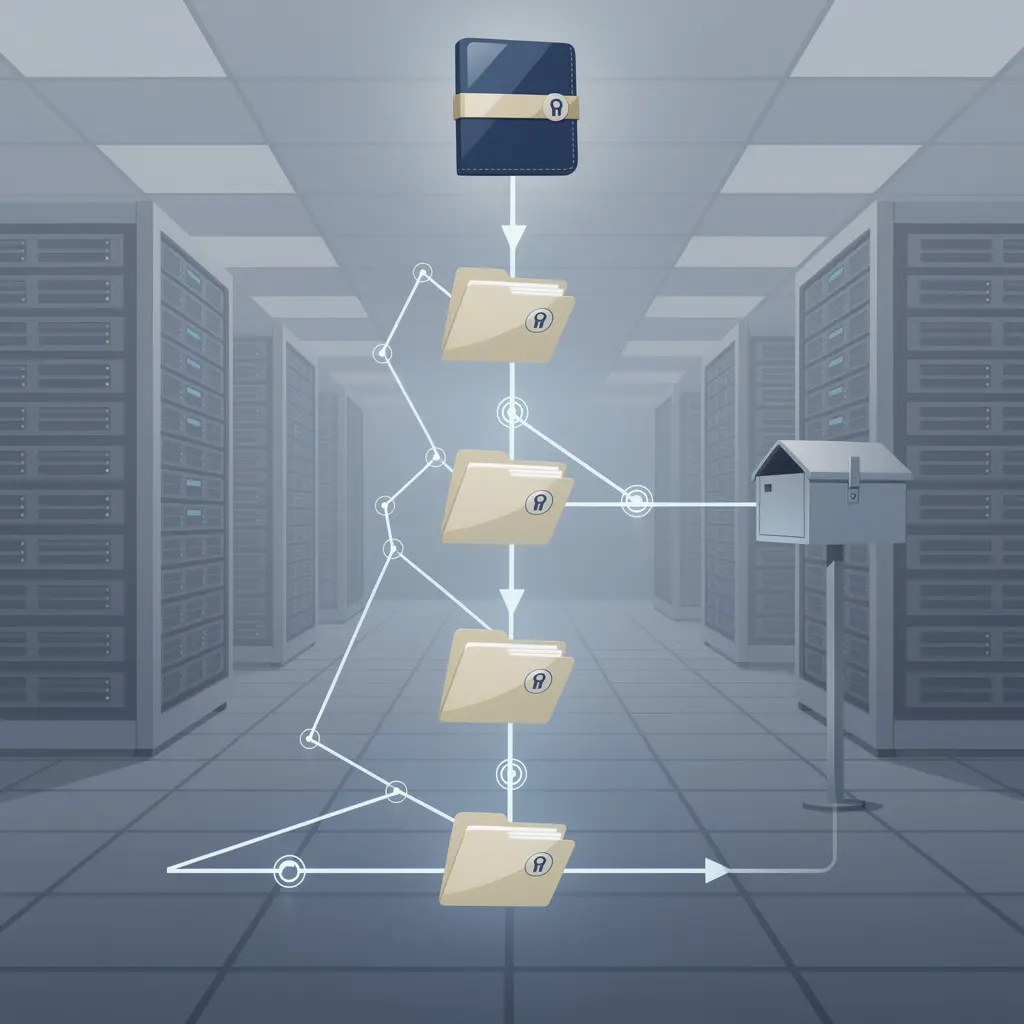
Every network abuse complaint in the RIPE service region is directed at a mailbox named in the RIPE Database. Prior reporting has established that the registry validates only that this mailbox can receive mail, and that the escalation machinery above it has never fired for a…
Europe and Middle East Institutional
The Machinery That Never Rings for Abuse: Inside the RIPE NCC's Escalation Layer
The RIPE NCC possesses a complete, published, time-tested apparatus for escalating a dispute to a binding outcome: an arbiters panel appointed by its Executive Board, a twelve-week ruling clock, a published archive of rulings, and a 30/60/90-day termination ladder ending in the…
Story
AFRINIC's Instrument Chain: What Each Deciding Body Actually Ordered, Granted or Refused
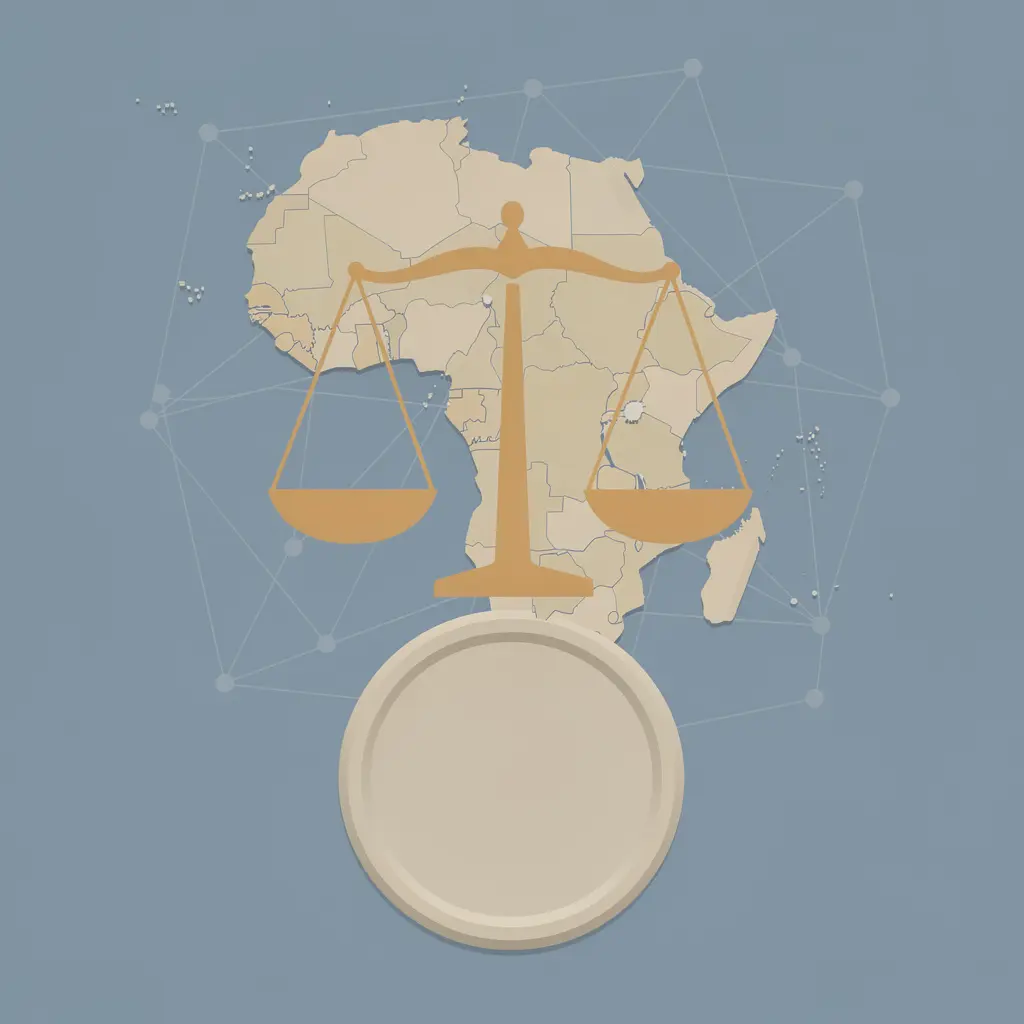
The public record on AFRINIC's receivership is full of titles — court judgments, board communiqués, ICANN letters, receiver notices. Titles are not authority. This article reads back through the recorded instruments of the AFRINIC saga and extracts what each one actually…

Leaders
What AFRINIC’s Registry Records Can—and Cannot—Attribute to Maina Mukhangu Noah
A public registry listing connects Maina Mukhangu Noah to ORG-BITL1-AFRINIC, but the available record does not establish that he held institutional authority inside AFRINIC. The distinction matters because a contact field can guide operational communication without identifying…

IETF
IETF–W3C: A Relationship Record, Not a Single Institution
The label “IETF–W3C” compresses two standards institutions into one directory entry. The public record supports a narrower description: the organizations have documented channels of cooperation, but the evidence reviewed does not establish one legal entity, one administrative…

Afrinic SAGA
AFRINIC’s continuity controls remain harder to prove than its public machinery
AFRINIC can keep a registry visible while the evidence needed to establish lawful authority, privileged access, detection and recovery remains incomplete. The practical test is not whether the machinery appears to run, but whether high-impact changes can be authorised, observed…

Global Institutional Trends
ISC’s control chain: what public evidence shows about prevention, detection and durable repair
ISC’s public record presents a recognizable operational control chain: vulnerability information is coordinated, supported software releases are published, high-availability behavior is documented and tested, service status is exposed, and F-Root operations are described across…