
Primary Domain
Internet Infrastructure Governance
Within the Primary Domain facet, Internet Infrastructure Governance intelligence groups reporting by primary domain so readers can follow a focused area of internet infrastructure, governance, connectivity markets, or digital capital. The page brings together related articles, public evidence, institutions, companies, people, regional exposure, operating dependencies, and market context that may otherwise sit across separate category pages. It explains the domain, the likely actor class, the market or governance context, and the source material readers should use when comparing signals. Operators, analysts, and governance readers can see how the same domain appears across events, profiles, market shifts, public-source evidence, regional dependencies, and longer-cycle infrastructure decisions over time.

LACNOG
From Custody to Capacity: What LACNOG’s Incorporation Actually Changed
Five audited year-end figures document the end of LACNIC’s custody of LACNOG funds. They also expose the limits of the change: an account can move, a legal person can acquire new capacities, and a regional mandate can still remain unproved.

AUSNOG
The One Package Outside AusNOG’s Draw—and the Records the Other 22 Need
AusNOG replaced a long-running sponsorship waiting list with package-by-package draws in 2024. The change coincided with a visibly larger field, but an expanded inventory, unresolved package counts and an undocumented execution trail mean the public record still cannot answer the…

NANOG
What, Exactly, Did NANOG Acquire?
NewNOG incorporated in 2010. The 2011 handoff then transferred named NANOG assets to that corporation, giving the forum a legal holder for its name and domain, archives, contracts and financial risk. It made NANOG more durable and its responsibilities easier to locate without…
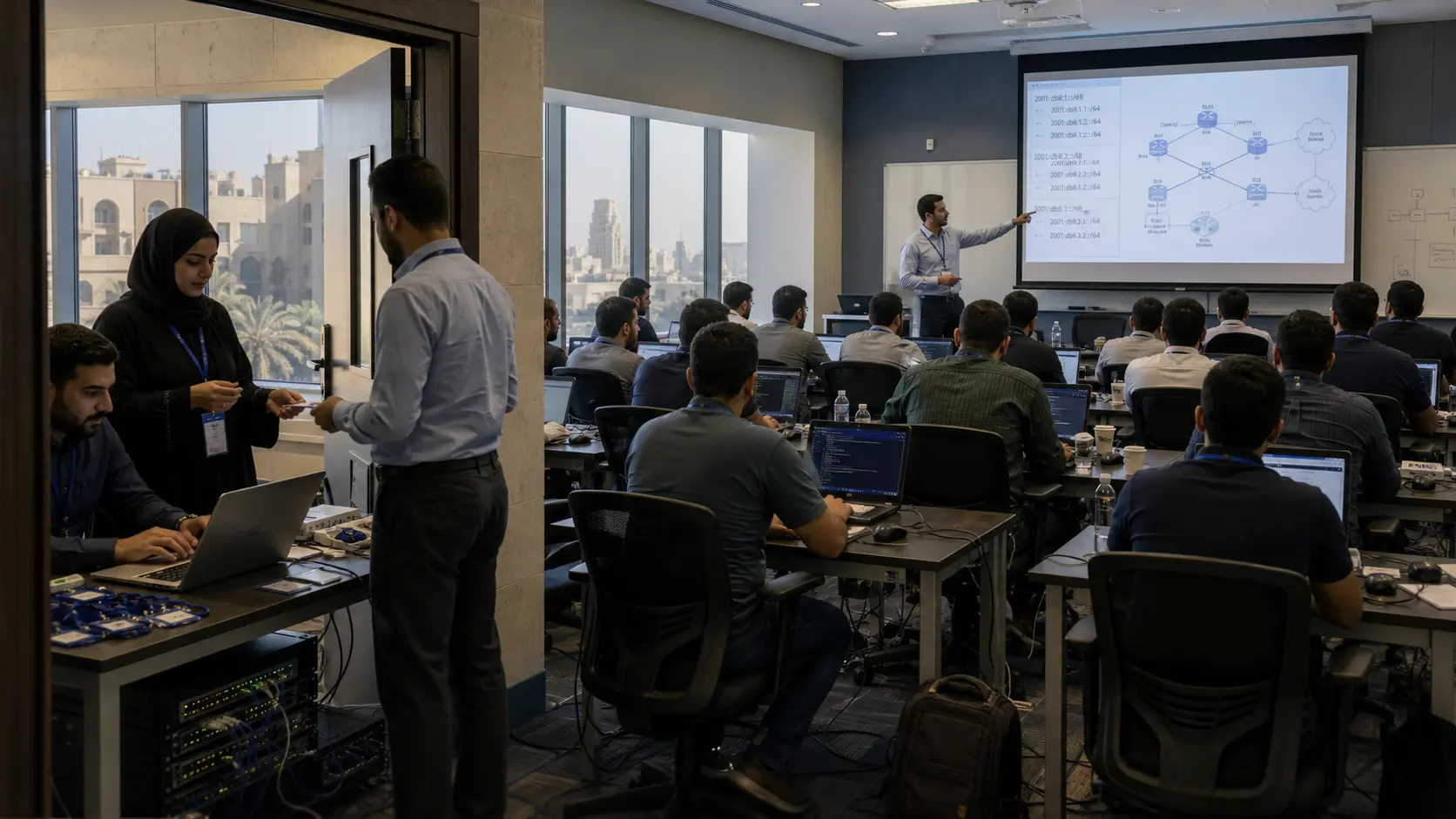
MENOG
The Classroom Moved. Who Chose the Lesson?
When MENOG announced one regional meeting instead of two and more country roadshows, it made technical training easier to reach. The harder question is whether it also moved the power to choose—over seats, teachers, materials, accreditation and the future use of what was taught.
History
Brian Carpenter and the lifecycle of an IPv6 transition mechanism
Brian Carpenter’s work on 6to4 is best read not as a claim to have solved the IPv6 transition, nor as a confession that one engineer caused its failures, but as a documented cycle of technical responsibility: define an interim bridge with Keith Moore, describe what operating that…
Global Institutional Trends
Gaurab Raj Upadhaya and the Bounded Custody of the Root Key
A small metal key helps explain a large institutional achievement: how the root of DNSSEC can depend on a volunteer's presence while denying that volunteer the power to act alone.