
Primary Domain
Internet Governance and Routing
Within the Primary Domain facet, Internet Governance and Routing intelligence groups reporting by primary domain so readers can follow a focused area of internet infrastructure, governance, connectivity markets, or digital capital. The page brings together related articles, public evidence, institutions, companies, people, regional exposure, operating dependencies, and market context that may otherwise sit across separate category pages. It explains the domain, the likely actor class, the market or governance context, and the source material readers should use when comparing signals. Operators, analysts, and governance readers can see how the same domain appears across events, profiles, market shifts, public-source evidence, regional dependencies, and longer-cycle infrastructure decisions over time.

History
RFC 4714 Put Copyediting Under Change Control
An RFC could have passed technical approval and still face another consequential review. A copyeditor might be correcting grammar, but after approval even a small rewrite crossed a boundary: the published sentence had to remain answerable to the process that had agreed it.

History
When RFC 6410 Removed Draft Standard, It Left Old Labels in Place
RFC 6410 removed the Draft Standard rung from the IETF’s maturity ladder in 2011. Its transition clause did not move the documents already there: their old classification could remain until someone took explicit action.

History
The Great Renaming Gave Usenet Operators a Better Feed Filter
In 1986–87, Usenet did more than replace old group names with a tidier vocabulary. Topic hierarchies gave site administrators a clearer way to choose which discussions their machines would carry. The surviving debate also draws a line between people consulted about a change and…

Academics
Mark Nottingham and the Working-Group Boundary Behind HTTP/3
The 2018 proposal did more than replace “HTTP-over-QUIC.” Mark Nottingham tied a clearer name to a quieter governance change: finish the transport group’s HTTP mapping, then let the group responsible for HTTP maintain it.

Story
EDEKA's organisation object stays live while the AS210860 aut-num record returns no entries
EDEKA's organisation entity stays live while the AS210860 aut-num record returns no entries intelligence summary explains the development, the public evidence available to readers, the organisations involved, the regional context, market exposure, and the infrastructure…
Global Cloud Services
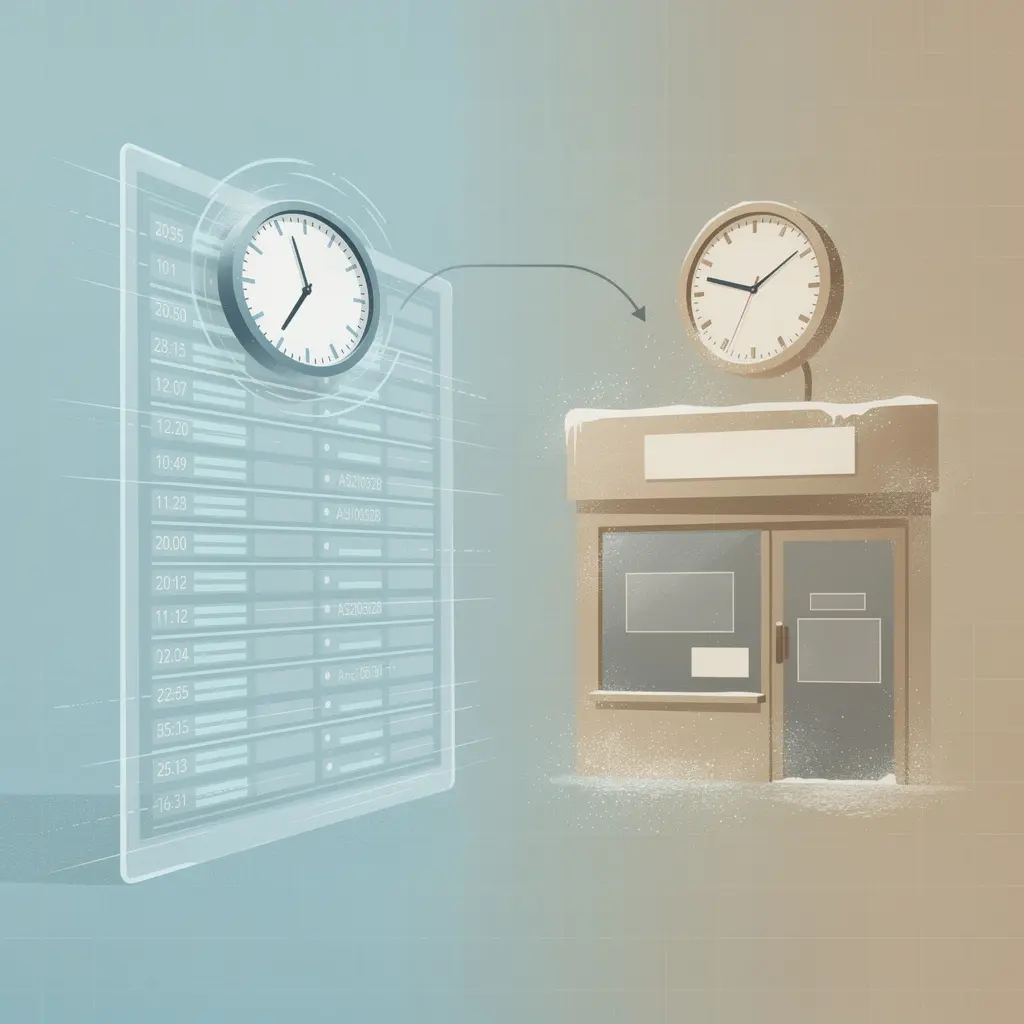
The Ledger and the Storefront: AS210328's 2026 Registry Edits Against a Network Frozen Since 2022
The Ledger and the Storefront: AS210328's 2026 Registry Edits Against a Network Frozen Since 2022 intelligence summary explains the development, the public evidence available to readers, the organisations involved, the regional context, market exposure, and the infrastructure…
Story
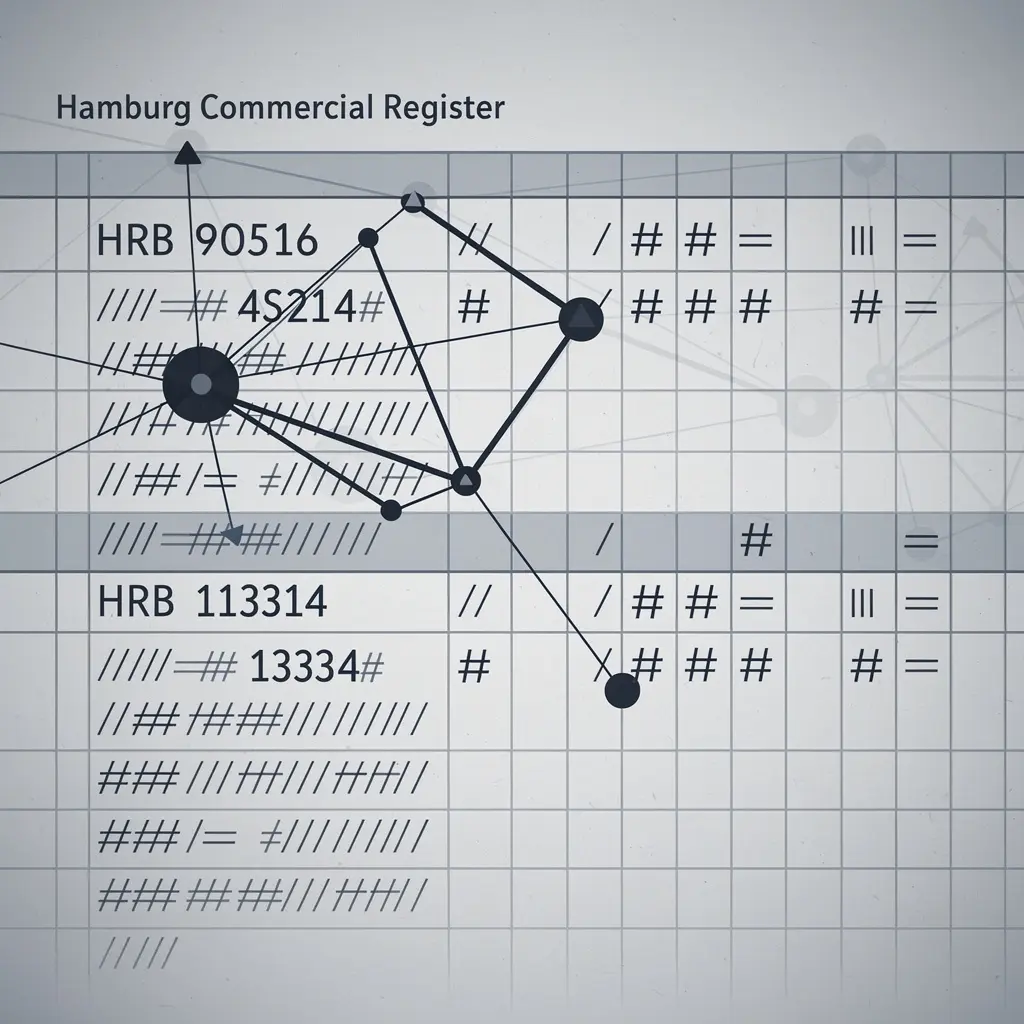
The company behind the dormant network: what the Hamburg register can prove that AS210860's registry layer cannot
The company behind the dormant network: what the Hamburg register can prove that AS210860's registry layer cannot intelligence summary explains the development, the public evidence available to readers, the organisations involved, the regional context, market exposure, and the…

IETF
Jeffrey Haas and the Question No RFC Answers: How Do You Prove a Failure-Detection Repair Actually Holds?
When a network fails to notice that it has failed, the damage is quiet but enormous. Bidirectional Forwarding Detection — BFD — exists so that routers learn within milliseconds that a neighbor has gone silent, instead of waiting out a BGP hold timer that can run for ninety…

Leaders
Amrita Choudhury and the Different Gates of Internet Governance
A constituency bid, a later At-Large certification and a co-authored APNIC policy change can all put the same advocate in view. They do not confer the same authority. Amrita Choudhury’s record shows why Internet governance must be read institution by institution: each forum…

CASE FILE
When the Registry Outlives the Company: Who Answers the Svea Abuse Line?
When the Registry Outlives the Company: Who Answers the Svea Abuse Line? intelligence summary explains the development, the public evidence available to readers, the organisations involved, the regional context, market exposure, and the infrastructure consequences that may…

IETF
Niels ten Oever and the review that followed a protocol off the page
RFC 9620's update to a human-rights review guide is notable for the evidence gap it admits: questions about design can surface risks, but understanding consequences also means listening to people, examining implementations and keeping the method open to revision.

ICANN
Who Holds the Keys to .jp: An Instrument-by-Instrument Audit of JPRS's Registry Authority
Japan Registry Services Co., Ltd. (JPRS) operates the .jp country-code top-level domain, but the company's public profile as a registry says little about where its authority actually comes from, who can challenge it, and what has changed on that control surface recently. This…

Number Resource Society
Verified to Receive, Never Tested to Answer: RIPEstat's Abuse Contact Finder
RIPEstat's Abuse Contact Finder is the step between a complaint and a responsible network: it reads the RIPE Database and hands a reporter the mailbox to use. The RIPE NCC verifies that those mailboxes exist and can accept mail. Its own documents say that validation does not…

Afrinic SAGA
AFRINIC's authority over African number resources: contract, court, receiver
A member's addresses can be taken away by a clause, a court order or a board vote — and African internet governance is currently living through the argument about which of those three actually applies to any individual holder.

Afrinic SAGA
RIPE NCC to AFRINIC: the handover that moved the ledger but never escrowed it
Africa got its own internet registry in 2005. What it did not get, on the evidence available two decades later, was a registry that could outlive its keeper. The entities moved. The guarantee did not.

ICANN
When a Rejection Action Expires: the ASO, ICANN's FY27 Plans and the Limits of an Empowered Community Check
Two attempts to use the Empowered Community's rejection power against decisions of the ICANN Board were opened and closed in 2026, and neither reached a vote. One concerned money: the ICANN FY27–31 Operating and Financial Plan, the ICANN FY27 Operating Plan and Budget and the…

ICANN
Who Can Stop a New gTLD Application, and What an Applicant Can Actually Win
ICANN can refuse, defer or condition a new generic top-level domain application — but the two remedies an unsuccessful applicant can pursue do not hand it the string. One returns the question to the same Board. The other produces a declaration about whether the Board kept to its…

NANOG
NANOG Kept the Door Open: The Membership Roll as the Corporation's Control Surface
NewNOG, Inc.'s bylaws place the corporation's property, affairs and business under its Board of Directors, and they elect directors through an open nomination and election process from a membership whose joining bar was deliberately kept low. NANOG's own members' meeting record…

Global Regional ISP
ROYA’s AS210837: What Would Prove Operational Control and Durable Repair?
ROYA’s AS210837: What Would Prove Operational Control and Durable Repair? intelligence summary explains the development, the public evidence available to readers, the organisations involved, the regional context, market exposure, and the infrastructure consequences that may…

Global Institutional
ISC’s Five Control Surfaces: What the Public Record Can—and Cannot—Prove
Internet Systems Consortium, Inc. appears across some of the Internet’s most consequential technical systems: BIND and Kea software, an F-root role, Internet-number registry records, observed routing and RPKI authorization. Those appearances are important, but they do not…