
Content Type
Research
Within the Content Type facet, Research intelligence gathers BTW.MEDIA articles that share the same editorial format, helping readers compare briefings, profiles, risk notes, market analysis, and event coverage without mixing different kinds of evidence. The page explains how this content type frames internet infrastructure events, company movements, governance decisions, operational signals, and public evidence across the site. Readers can compare which actors or infrastructure systems appear most often, how source quality changes interpretation, and whether the material is a durable profile, a time-sensitive event, a strategic market signal, or a governance development. The result is a useful search page for operators, investors, customers, analysts, and policy stakeholders who need to understand the consequence, timing, and evidence behind similar article formats.

Story
The Exit That Stayed Undecided: AFRINIC's Receivership Endgame Is a Docket With No Disposition
Nine months after the Receiver of the African Network Information Centre (AFRINIC) asked the Supreme Court of Mauritius to end his own tenure, the public record still contains no judgment granting or refusing that relief — and the organisation's newest governance instruments…

History
The Third Hash Closed Quick Mode. It Did Not Confirm Both Kernels
RFC 2409 ended its base Quick Mode with a protected third message. That message proved something precise to the responder: the initiator had seen the responder’s nonce and still possessed the authenticated Phase 1 state. It did not send a fourth message back, mutate two kernels…

History
The Policy Was Not the Packet
A security rule could look impeccable on an administrator’s screen while a packet took a different path. RFC 2401 made that gap inspectable: policy chose a disposition, Security Association state supplied parameters, and the packet path had to perform—and on receipt verify—the…

History
The Cookie Identified the Exchange. It Did Not Identify the Peer
RFC 2408 put two cookies at the front of every ISAKMP message and called them anti-clogging tokens. They could help a host reject invented state before expensive cryptography and later identify an ISAKMP Security Association. They were not credentials. The protocol still needed a…
History
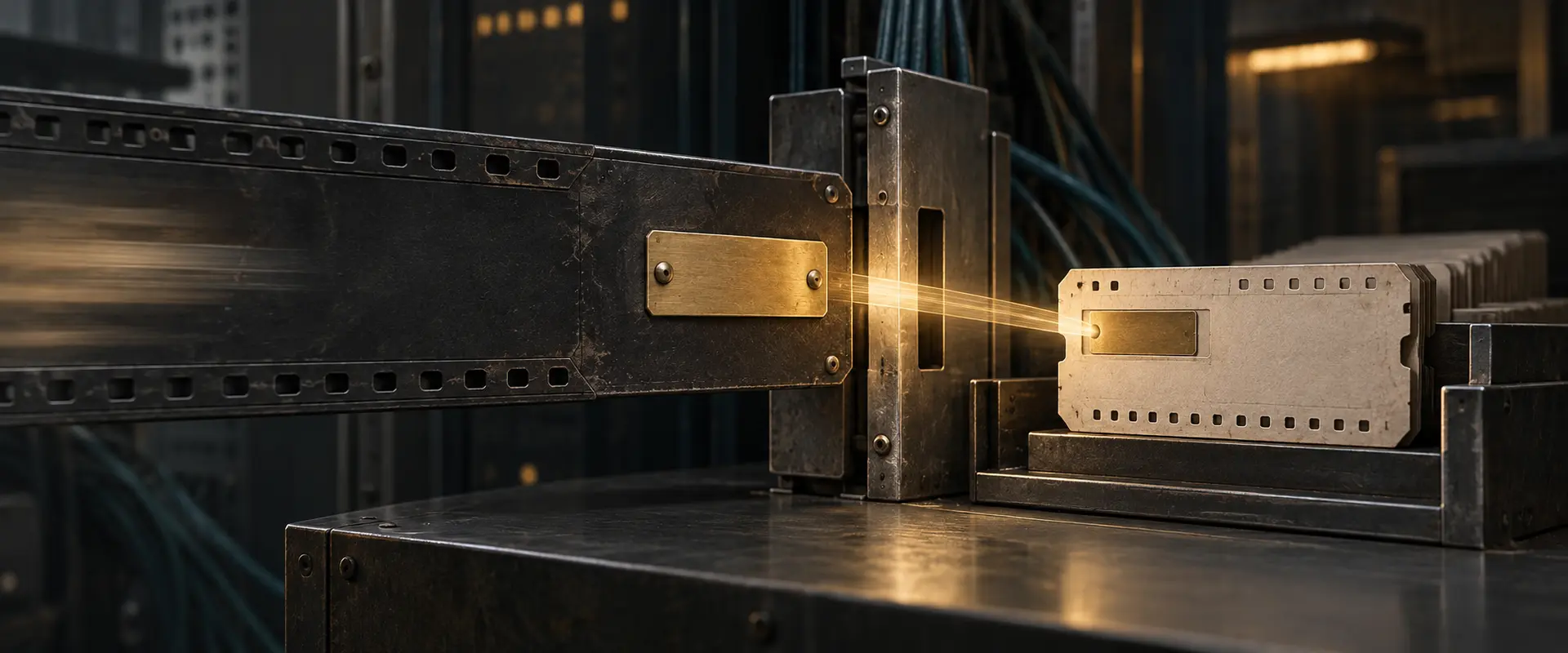
The Address Inside the Packet Was Invalid. The Frame Header Supplied the Source: RFC 2390
Frame Relay could deliver the same virtual circuit under one number at the sender and another at the receiver. RFC 2390 made the consequence explicit: the hardware-address fields inside an arriving InARP message could not be trusted as carried. The receiving interface had to take…

North America Regional ISP
Cox's $34.5 Billion Handover: What Charter Actually Bought, and What the Cox Family Kept
Charter Communications and Cox have signed, approved and largely cleared the largest cable consolidation in a generation — yet the structural change in US broadband has not happened yet, because the transaction itself has not closed. The signed documents show the deal is not a…

Asia-Pacific National Telecom
The controls that remain, and the word of the company: Optus Internet Pty Ltd and the durability test after two outages
Two Optus outages now frame every question about whether Australia's emergency-call chain can survive a single operator's bad day. The first, on 8 November 2023, ended in an accounting exercise: 2,145 failed emergency calls distributed by legal entity, twelve of them attributed…

History
The DOI Named the Vocabulary. The Host Still Made the Decision
In RFC 2407, the number `1` told an ISAKMP peer how to read the negotiation that followed. It did not tell the peer whom to trust, which proposal to accept, whether a Security Association reached the kernel, or what later packets achieved. The IPsec Domain of Interpretation made…

Story
The Consent Formula: AFRINIC's Newest Instruments Read Against an Undecided Receivership Exit
On 24 August 2026, AFRINIC's Board announced the appointment of Mike Silber as CEO Designate "with the consent of the Receiver." Three weeks later, on 1 September 2026, the NRO Number Council published a Recommended Draft RIR Governance Document that rewrites how any registry…

History
The Payload Was Protected. The Envelope Was Still Visible
RFC 2406 did not turn an IP packet into an opaque entity. It protected a precisely drawn region. Outside that region, the outer address, protocol number, Security Parameters Index, Sequence Number, length and timing could still tell a story. Inside it, confidentiality and…

North America Cloud Services
OpenAI holds its own routing identity. It has not yet bought its way out of the clouds
OpenAI OpCo, LLC registered two autonomous systems with ARIN and quietly built a peering posture, but the real shift in its infrastructure dependence runs through a restructured Microsoft deal, a $300 billion Oracle purchase obligation beginning in 2027, and a debt-heavy Stargate…

Global Cloud Services
Oracle's Five AI Data-Center Sites, Audited: One Confirmed, Four Unproven
In January 2026, Oracle put five community names on the record as the physical layer of its AI partnership with OpenAI. A site-by-site check of permits, energization records, court actions and local reporting finds a steep verification gradient: one site confirmed operational…
History
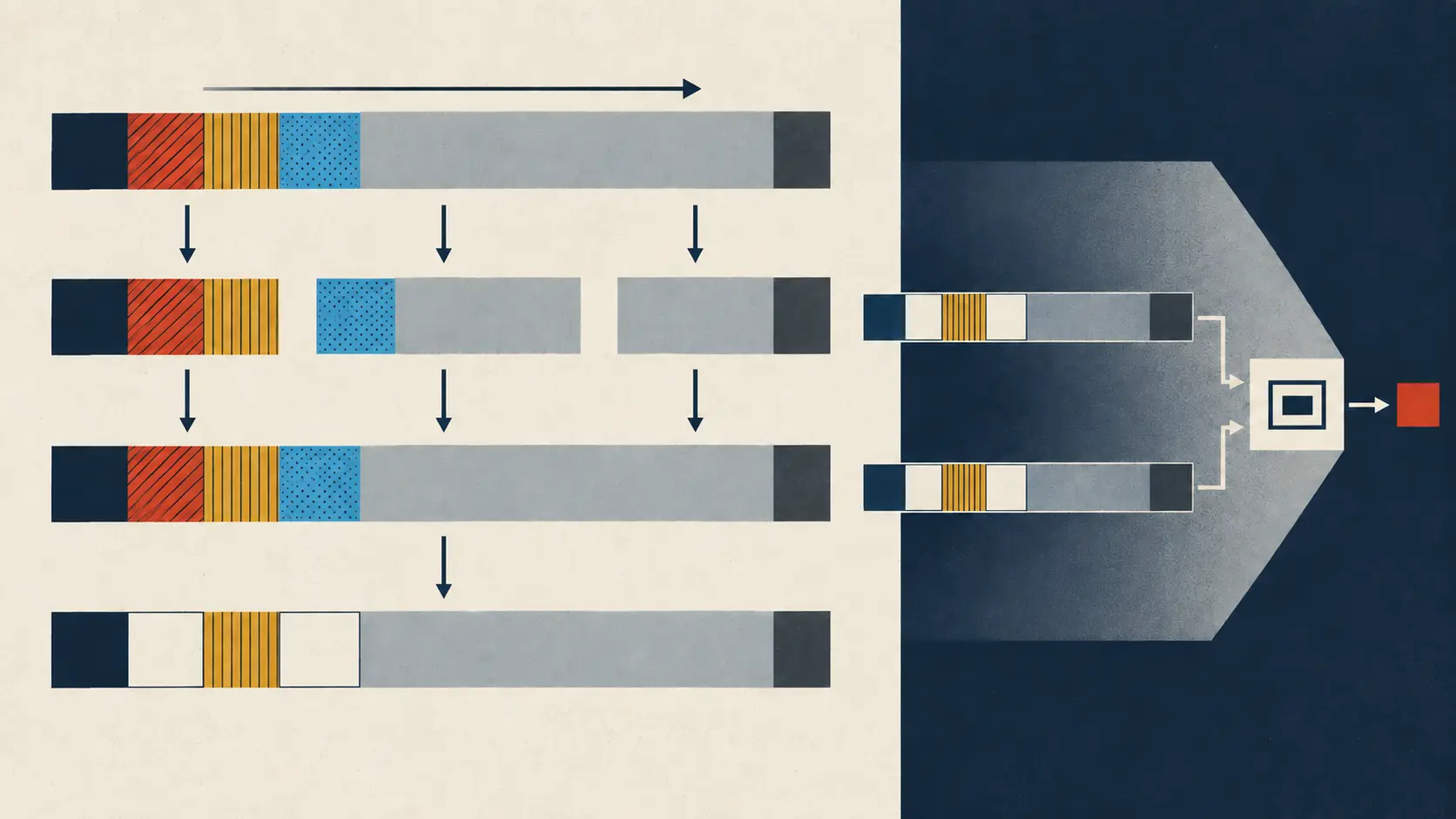
The Authenticated View Was Not the Wire Image
RFC 2402 did not ask sender and receiver to authenticate every IP-header bit exactly as it appeared in transit. They first prepared the same calculable view: protect what could remain stable, predict what would arrive deterministically, and replace unpredictable mutable contents…

ICANN
The Coalition Clause: What the Empowered Community's June–July 2026 Instruments Certified — and Refused
In June 2026, a single ICANN instrument recorded in its own operative words that the Empowered Community's rejection power had failed to activate: the Rejection Process on the Standard Bylaws Amendment to Article 27 "has been terminated," because not one other Decisional Entity…
History
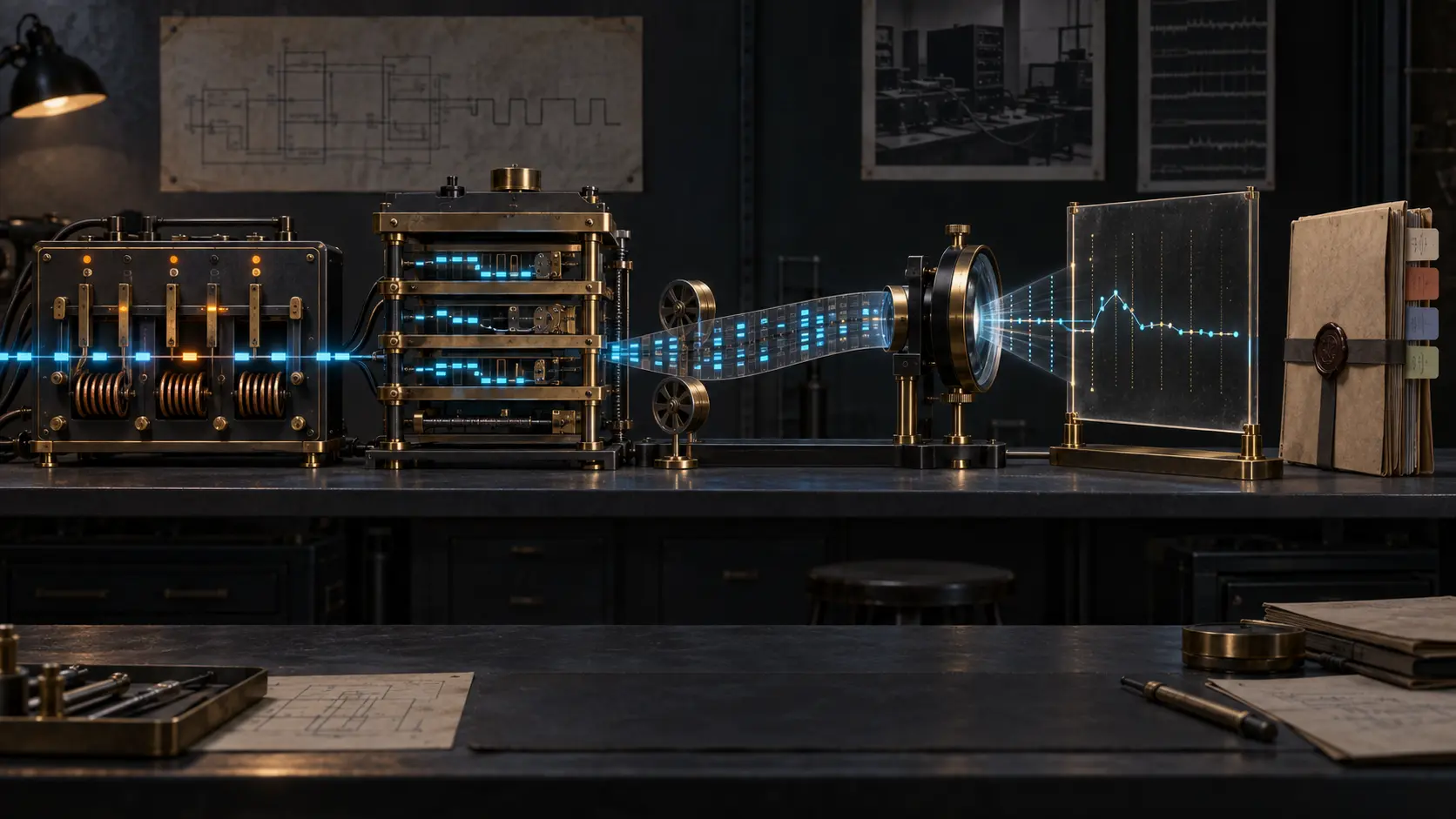
The Graph Was Not the Test
RFC 2398 catalogued twelve ways to make TCP reveal itself: load it, slow it, damage its packets, capture its traces, calculate its timing or draw its sequence space. Its deeper lesson was that none of those operations was the verdict. A trustworthy conclusion had to preserve the…
ICANN
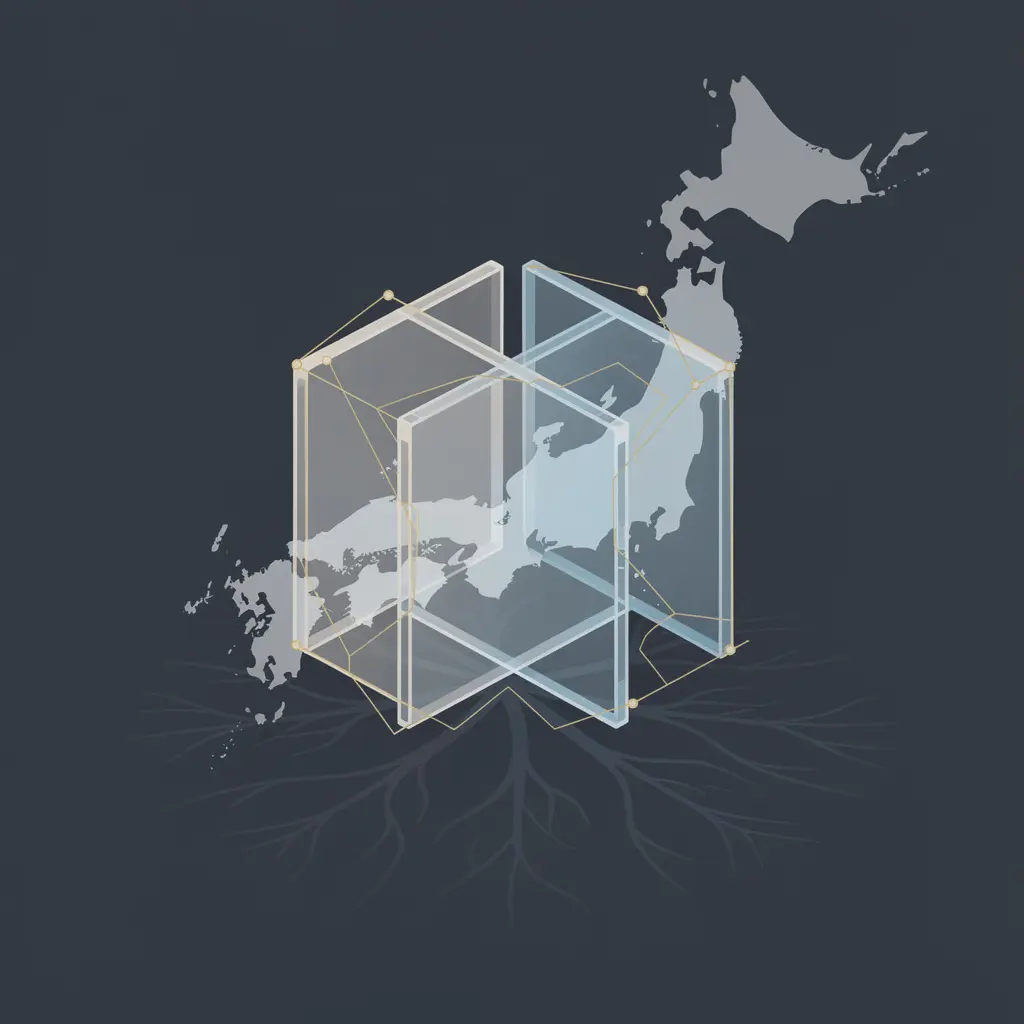
Who Holds the Keys to .jp: An Instrument-by-Instrument Audit of JPRS's Registry Authority
Japan Registry Services Co., Ltd. (JPRS) operates the .jp country-code top-level domain, but the company's public profile as a registry says little about where its authority actually comes from, who can challenge it, and what has changed on that control surface recently. This…

History
The URL That Carried Its Own Cargo
RFC 2397 made a small but consequential move: it put the representation inside the address. The result was not merely a convenient encoding trick. It changed where retrieval ended, where interpretation began, and which component actually controlled the outcome.

Story
The Remedy Path Audit: What AFRINIC's Appeal Committee Can and Cannot Hear Under Receivership
When AFRINIC's Board appointed a CEO designate on 24 August 2026, it wrote four words into the first sentence of its own announcement: "with the consent of the Receiver." Four days later, when the same Board constituted the Policy Development Appeal Committee, those words were…

Story
DFINFRA and AS210860: Running the Commercial Half of a Test BTW Defined but Never Executed
DFINFRA and AS210860: Running the Commercial Half of a Test BTW Defined but Never Executed intelligence summary explains the development, the public evidence available to readers, the organisations involved, the regional context, market exposure, and the infrastructure…
History
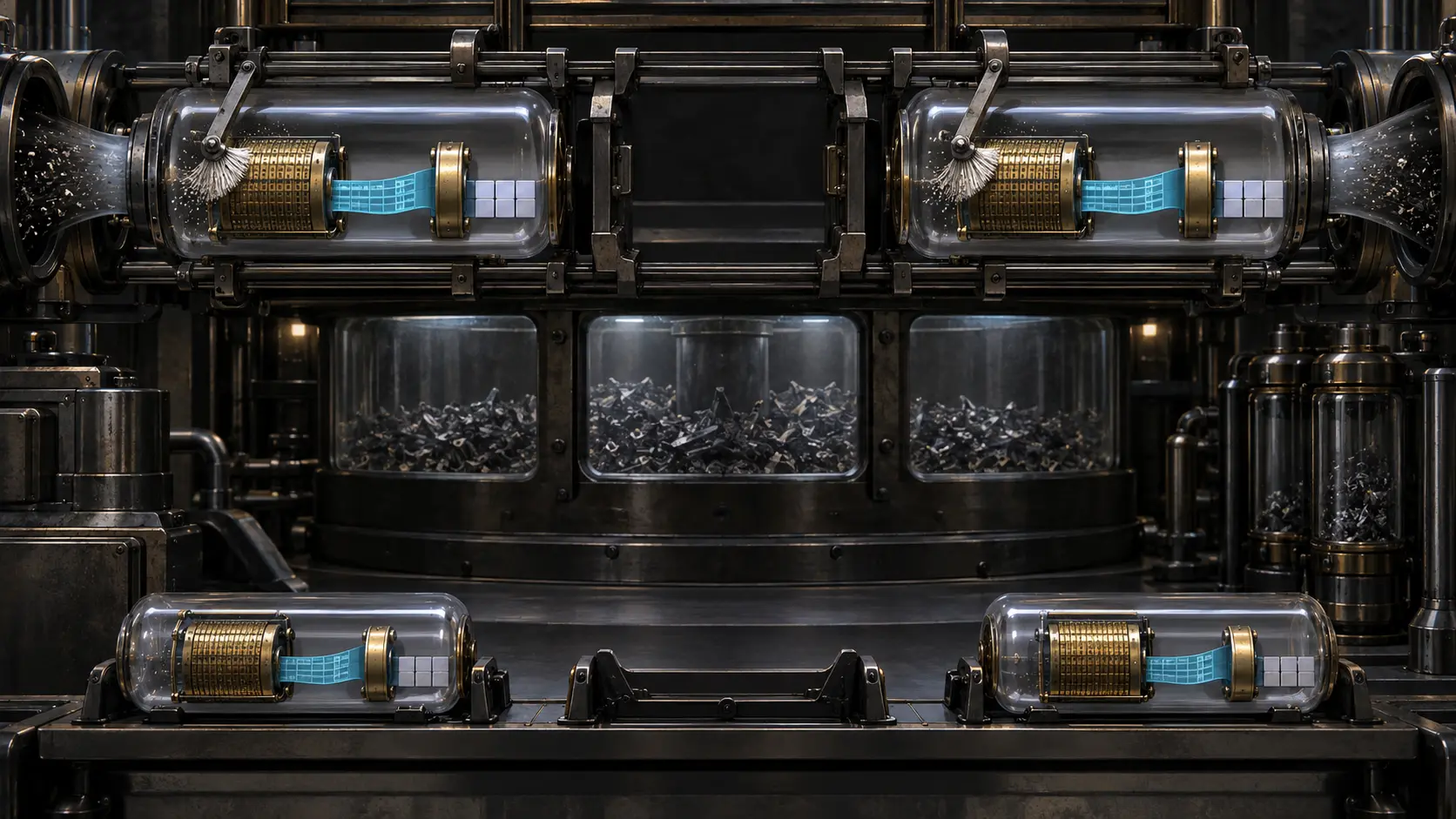
The Compressor Forgot on Purpose: RFC 2395 and the Datagram Boundary
A sliding window normally becomes useful by remembering what came before. RFC 2395 made LZS forget before every IP datagram. That apparent waste was the design: a packet arriving alone had to remain decodable after an earlier packet was lost, delayed or reordered. Reset, flush…