
Content Type
Analysis
Within the Content Type facet, Analysis intelligence gathers BTW.MEDIA articles that share the same editorial format, helping readers compare briefings, profiles, risk notes, market analysis, and event coverage without mixing different kinds of evidence. The page explains how this content type frames internet infrastructure events, company movements, governance decisions, operational signals, and public evidence across the site. Readers can compare which actors or infrastructure systems appear most often, how source quality changes interpretation, and whether the material is a durable profile, a time-sensitive event, a strategic market signal, or a governance development. The result is a useful search page for operators, investors, customers, analysts, and policy stakeholders who need to understand the consequence, timing, and evidence behind similar article formats.

History
The Server Sent Plus. The Message Had Not Been Seen: RFC 1312
A short message service can return a positive acknowledgement and still leave the last important question unanswered: what, exactly, was positive? RFC 1312's Message Send Protocol 2 answered with unusual clarity. A server might have successfully invoked a local message-delivery…

History
The Route Requested the Circuit. It Had Not Made One: RFC 1306
A route can name a direction for a packet and, in one historical experiment, it could also trigger a request to an external switch. Neither act put a usable circuit under the packet. RFC 1306 is valuable because it keeps the states visible: lookup, request, attempted…

History
The Server Said 250. The Account Might Not Exist: RFC 1204
In RFC 1204, a positive reply to a username was designed not to answer the obvious question. A message-posting server was advised to say `250` when the name was syntactically sound even if it did not recognise the account. The ambiguity protected the user database. Only the next…
History
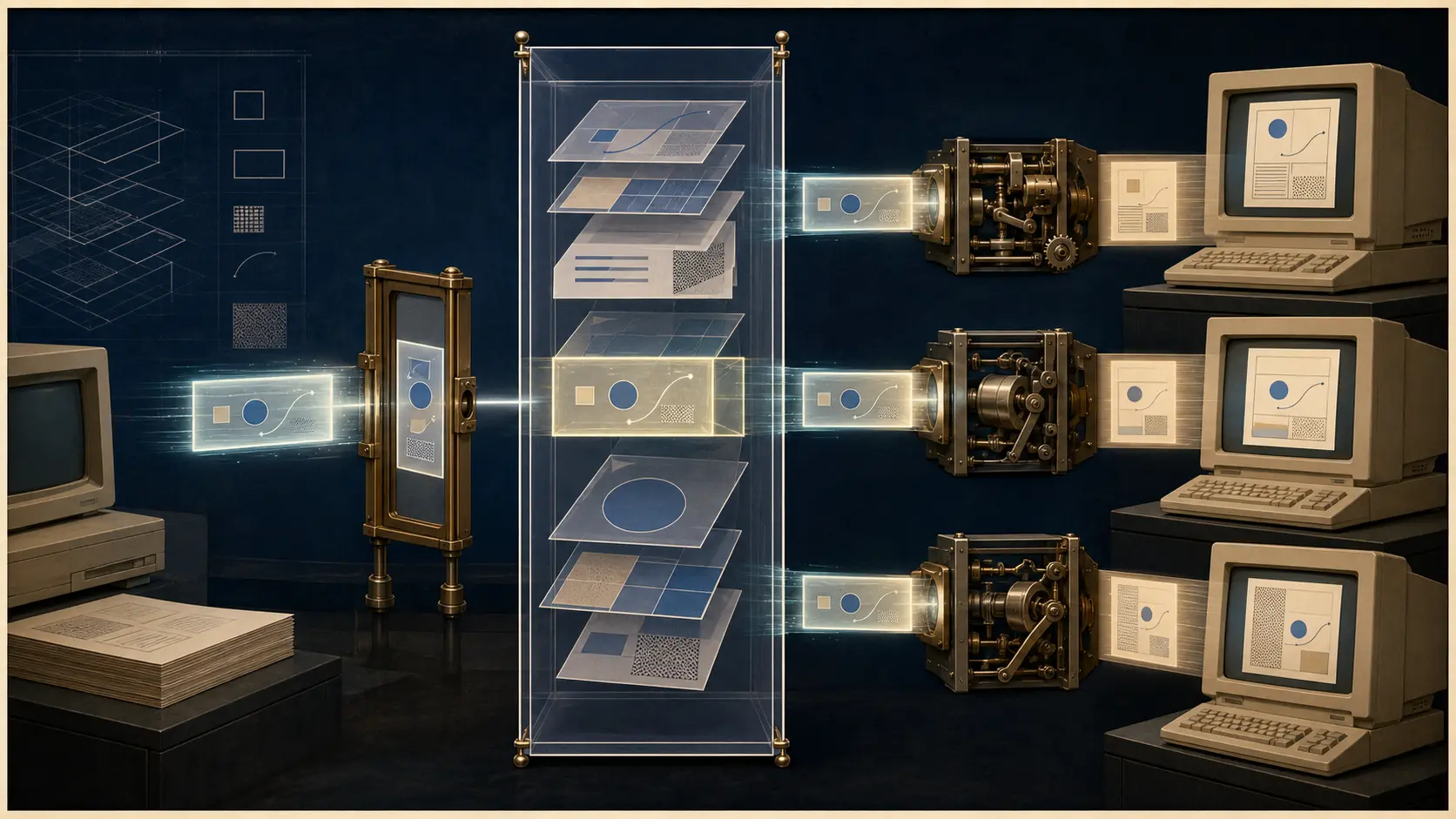
A Paragraph Was Not One of the Standard’s Words: RFC 1197 and the Missing Application Profile
In 1990, a document could be perfectly legible to an international encoding standard and still lack a shared idea of a paragraph. RFC 1197 recorded why that was not a contradiction. Office Document Architecture supplied an abstract model; useful exchange required a narrower…

History
A Hop Approved the Identifier. The Target Had Not Accepted the Stream: RFC 1190
An ST-II router could answer a `CONNECT`, approve the proposed forwarding shorthand and reserve resources before the request reached its target application. That was useful progress, but it was not consent. RFC 1190 built a separate return journey for `ACCEPT`, and a multi-target…

History
The Hostname Was Valid. It Was Still a Bad Name: RFC 1178
In October 1989, RFC 1123 told host software to accept a hostname beginning with a digit. Ten months later, RFC 1178 told administrators not to choose one. The two instructions were not contradictory. One defined what compliant software had to parse; the other described what…

History
The Requirement Was Firm. The Host Was Still Not Configured: RFC 1127
A capitalized MUST can settle an argument about software. It cannot reach into a machine room and choose a live value. In 1989, the Host Requirements effort made Internet interoperability more explicit by separating firm duties, reasoned recommendations and genuine options. RFC…
History
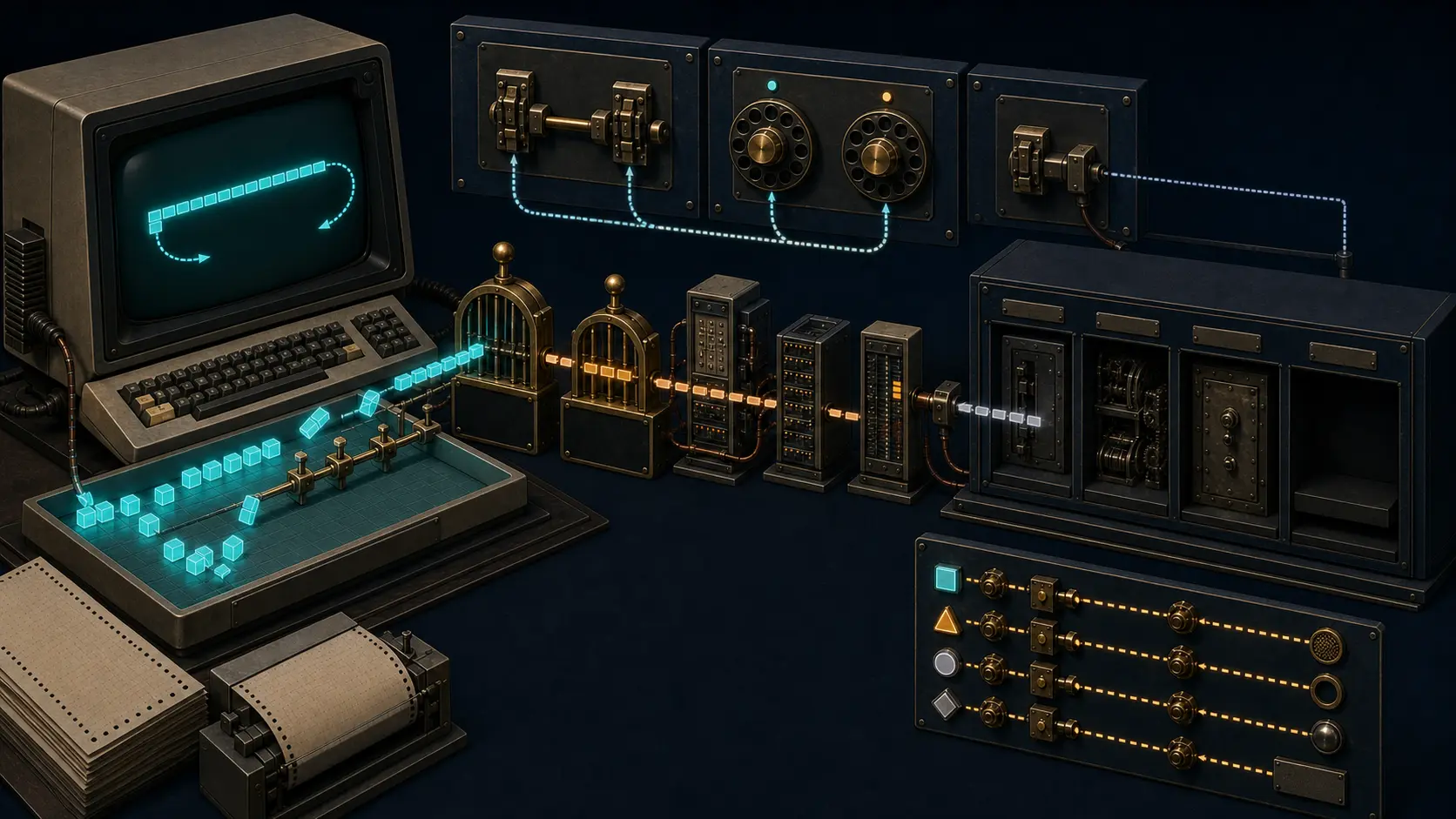
The Line Was Complete. The Command Had Not Run: RFC 1116 and Telnet Linemode
In character-at-a-time Telnet, a typist could wait for the network to see each key return. Linemode made the nearby terminal feel immediate: editing and echo could happen before the line crossed the path. That improvement also created a durable evidentiary trap. The completed…
History
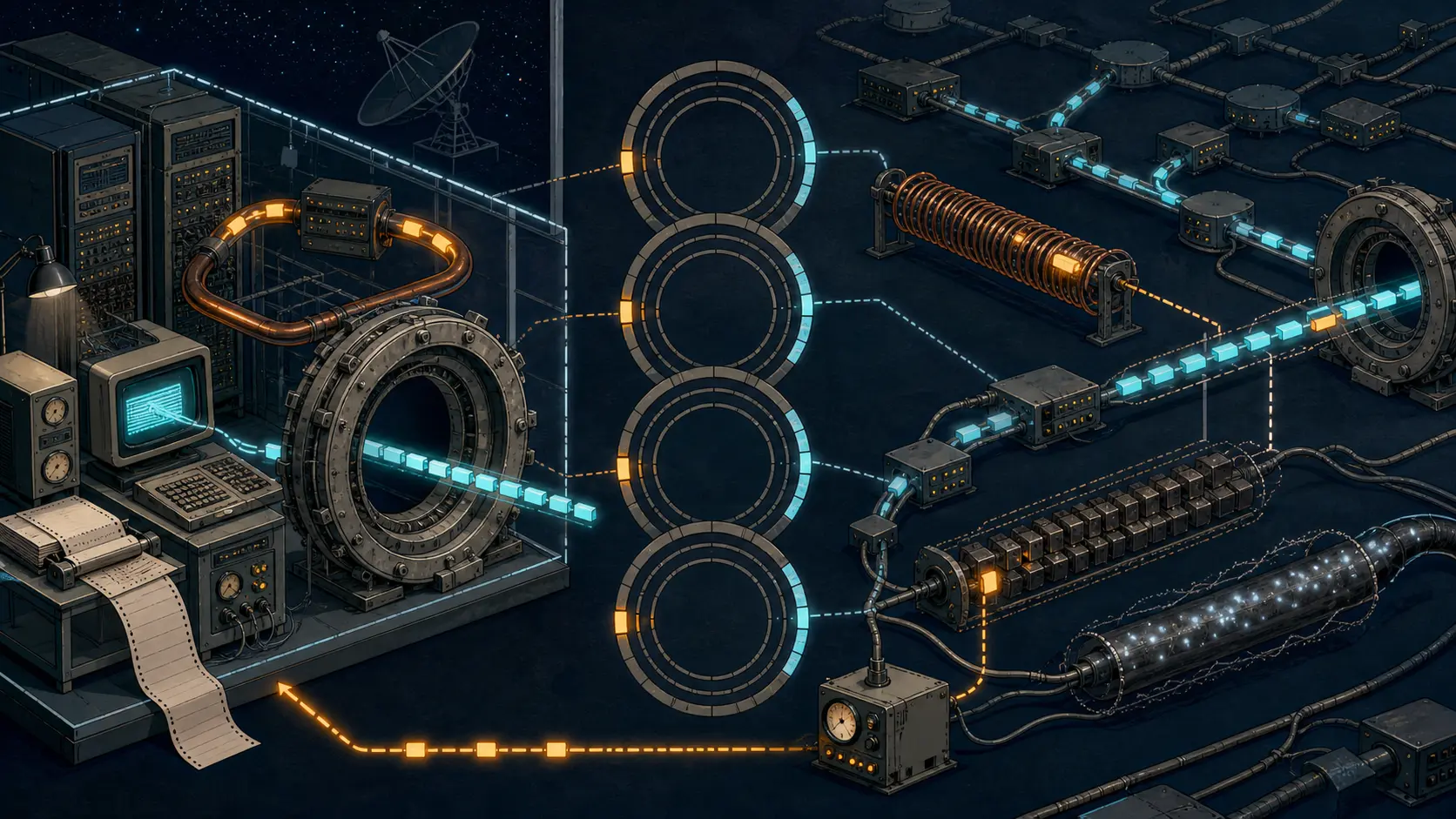
It Worked at NASA. That Did Not Make It Safe for the Internet: RFC 1106 and RFC 1110
June 1989 produced an unusually honest sentence in protocol history: two experimental TCP extensions had been implemented and shown to work using NASA resources. Two months later, another RFC explained why one of them still could not be adopted for the general Internet. The test…

History
Changing the Route Was Not the Same as Filtering the Packet: RFC 1104
In June 1989, RFC 1104 divided “policy routing” into mechanisms that were already easy to confuse. A network could change which reachability it disclosed, inspect a particular packet, assign scarce bandwidth or buffers, and record usage for later accounting. Each act could be…

History
A SHUT State Was Not an Off Node: RFC 1289 Kept the Existing Links
The word “shutdown” invites a clean story: an operator chooses a state, a node stops, and the work is over. RFC 1289 preserves a more demanding chronology. Its DECnet Phase IV MIB did not treat every admission restriction as an OFF node. `SHUT` allowed no new logical links, but…

History
The Memo Called It a Standard. The Record Did Not: RFC 1097
On 1 April 1989, a three-page RFC proposed a Telnet option for flashing messages too quickly for a user to notice. Its joke is easy to recognize. Its more durable lesson is quieter: the memo could call itself a standard, but it could not confer that standing on itself; a Telnet…

History
The Display Location Crossed Telnet. Access Still Belonged to X: RFC 1096
In March 1989, a small Telnet option solved an awkward problem of divided context. A person logged in to a remote host could start an X application there, yet that host did not know where the person's screen was. RFC 1096 let the Telnet client supply a display locator. The…

History
Two Protocols Were “Recommended.” Only the Profile Said What Could Interoperate: RFC 1095 and CMOT
In April 1989, the Internet did not have one official answer to network management. CMOT and SNMP carried the same Draft Standard and Recommended labels, and both were meant to describe the same Internet MIB. Yet a shared catalogue of entities was not a shared system. RFC 1095…

Story
LACNIC and the economics of rough consensus
Consensus is not the absence of conflict. In a regional Internet registry, it is the work of turning conflict about scarce, shared infrastructure into rules that operators can recognize as legitimate.

History
The Device Had a MAC Address but No IP Stack: RFC 1089’s One-LAN Management Channel
A repeater could shape the network and still be absent from the Internet that operators used to manage it. RFC 1089 solved that awkwardness by putting an ordinary SNMP message directly inside an Ethernet frame. The missing layers made the agent simpler. They also made the…

History
The Heartbeat Held an X.25 Subaddress. It Did Not Authenticate the Claim: RFC 1086’s TP0 Bridge
A TCP/IP host wanted an address in a network it did not inhabit. RFC 1086 let a bridge listen on an X.25 subaddress on that host’s behalf—but only while a separate TCP connection stayed open. The mechanism knew when to release a scarce slot. It did not know who deserved it.

History
The Same Service Held Two Neighbors. A Router Still Stood Between Them: RFC 1209
Sharing a carrier service can make two machines look like immediate neighbors. RFC 1209, published in 1991 for IP over SMDS, made a deliberately narrower promise. A logical IP subnetwork was an administratively closed group on that shared service. Hosts could communicate directly…

History
Control-S Was a Command Only While the Option Held: RFC 1080’s Telnet Boundary
A terminal user presses Control-S. Did the keystroke pause the display, travel across the Telnet connection, or reach an editor as ordinary input? RFC 1080 made the answer depend on a small, revocable agreement—and kept the decisive mechanism at the user’s local Telnet process.

History
The NIC Looked Continuous. Its Registry Writes Had Paused: RFC 1261
In a service migration, the most reassuring things are often the things that travel cleanly: a familiar hostname, a working mailbox, a Help Desk number, a screen that resembles yesterday’s screen. RFC 1261 made a more sober distinction when the Network Information Center changed…