
Institution Profiling / Internet infrastructure institution

Entertainment industry backs bill to combat AI deepfakes

Entertainment industry backs bill to combat AI deepfakes is tracked as a internet infrastructure institution within the internet infrastructure ecosystem.

Entertainment industry backs bill to combat AI deepfakes
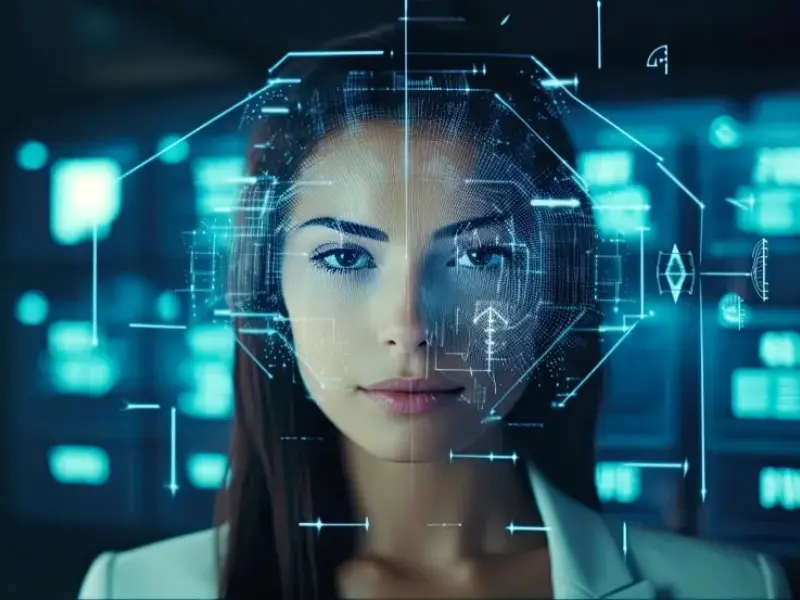
Caption: Entertainment industry backs bill to combat AI deepfakes visual context for BTW intelligence coverage. · Source context: Existing article media was retained or restored as the subject-specific visual basis. · Relevance reason: Entertainment industry backs bill to combat AI deepfakes is the primary subject or event subject; the image supports the article's market reading. · Image provenance: Existing curated article image retained because it is subject- or event-specific and not a generic pool placeholder.

Sources

Public references used for this article.

External references will appear here after editorial citation review.

CategoryInstitution

Entertainment industry backs bill to combat AI deepfakes is tracked as a internet infrastructure institution within the internet infrastructure ecosystem.

RegionGlobal

Entertainment industry backs bill to combat AI deepfakes has public-source relevance to network operations, governance, dependency mapping, or market structure.

Signal FocusInternet infrastructure institution

Entertainment industry backs bill to combat AI deepfakes has public-source relevance to network operations, governance, dependency mapping, or market structure.

Content TypeProfile

Entertainment industry backs bill to combat AI deepfakes is tracked as a internet infrastructure institution within the internet infrastructure ecosystem.

Primary DomainSecurity

Public-source signals support medium-impact monitoring for infrastructure visibility and dependency analysis.

TopicInternet infrastructure institution

Entertainment industry backs bill to combat AI deepfakes is profiled by BTW Media because published evidence links it to internet infrastructure, governance, operational dependencies, or market visibility.

ImpactMedium

Public-source signals support medium-impact monitoring for infrastructure visibility and dependency analysis.

Confidence?Confidence Grade
0.90–1.00AHigh — direct sources
0.75–0.89A/BStrong
0.55–0.74B/CMedium
0.35–0.54C/DWeak–medium
0.10–0.34DWeak signal
0.00–0.09DInternal monitoring
Limited confidence (76%)

Several public sources

Entertainment industry backs bill to combat AI deepfakes is profiled by BTW Media because published evidence links it to internet infrastructure, governance, operational dependencies, or market visibility.

  • A bipartisan group of senators has introduced the “NO FAKES Act,” which aims to prohibit the unauthorised creation and distribution of digital replicas of individuals, particularly those generated by AI.
  • The bill establishes a federal right to one’s voice and likeness, with exemptions for documentaries, biographical works, and content serving criticism or parody, in accordance with First Amendment protections.

OUR TAKE
The NO FAKES Act represents a significant legislative response to the challenges posed by AI-generated content, aiming to strike a balance between protecting intellectual property rights and preserving free speech. With broad support from both industry stakeholders and the tech community, the bill’s passage could set a precedent for regulating the use of AI in entertainment and beyond.
–Vicky Wu, BTW reporter

What happened

A bipartisan group of senators have introduced the “Nurture Originals, Foster Art, and Keep Entertainment Safe Act of 2024” or the “NO FAKES Act.” This bill aims to prevent the creation, hosting, or sharing of digital replicas of individuals in audiovisual works, images, or sound recordings without their consent, especially when these replicas are generated using artificial intelligence.

The legislation seeks to establish a federal right to one’s voice and likeness, preempting future state laws on the subject while preserving existing state protections. It also includes provisions for a safe harbour for AI software developers and a notice-and-takedown mechanism for online platforms, similar to the current online copyright framework. If enacted, websites hosting such material would be legally required to take it down upon receiving notice. The bill includes exemptions for documentaries, biographical works, and content that serves criticism or parody, in line with First Amendment protections.

Also read: Video game actors strike over AI concerns

Also read: Video: Taylor Swift deepfakes spark AI ethics debate

Why it’s important

The NO FAKES Act has garnered widespread support from various sectors of the entertainment industry, including SAG-AFTRA, the Recording Industry Association of America, the Motion Picture Association, major studios, and talent agencies. The bill is seen as a critical step towards protecting performers and artists from the unauthorized use of their likenesses and voices, particularly in the context of rapidly advancing AI technologies.

The bill’s introduction follows a series of lawsuits and public statements from artists who have expressed concerns about the misuse of their content through AI-generated replicas. High-profile figures, such as Taylor Swift, have previously decried the creation of AI imitations as an attack on human creativity.

Support for the legislation extends beyond the entertainment industry, with tech giants like OpenAI and IBM also endorsing the bill. These companies argue that while AI can foster creativity, it should not be used to exploit artists’ rights without their consent. “Creators and artists should be protected from improper impersonation, and thoughtful legislation at the federal level can make a difference,” said Anna Makanju, vice president of global affairs at OpenAI.

At A Glance

  • Name: Entertainment industry backs bill to combat AI deepfakes
  • Type: Internet infrastructure institution
  • Base: Global
  • Profile focus: Institution

What It Does

  • Public records support monitoring of its role, services, and key relationships.

Why It Matters

  • Public-source signals support medium-impact monitoring for infrastructure visibility and dependency analysis.
  • Operational criticality: Medium
  • Time horizon: Next quarter

What To Watch

  • Monitoring focuses on verified service continuity, governance changes, and relationship signals.
NowMedium priority

Track verified source updates, role changes, and current public evidence.

QuarterMedium policy sensitivity

Public-source signals support medium-impact monitoring for infrastructure visibility and dependency analysis.

YearNext quarter outlook

Longer-term relevance depends on verified operating, policy, and relationship changes.

Member Briefing

Deeper Profile Context

Login is required to unlock the full profile briefing and source notes.

Only for Strategy Circle

Strategic Circle Access

Open to all readers. Unlock profile briefings after joining and logging in.

Join Strategic Circle

Only for Leadership Alliance

Leadership Alliance Access

For owners and management of IP-holding companies. Login required to unlock.

Join Leadership Alliance
← BackAll Companies