
- At first glance, it might seem that AI delivers uniform responses regardless of the user. After all, algorithms are programmed to analyse data and generate outputs based on predefined criteria.
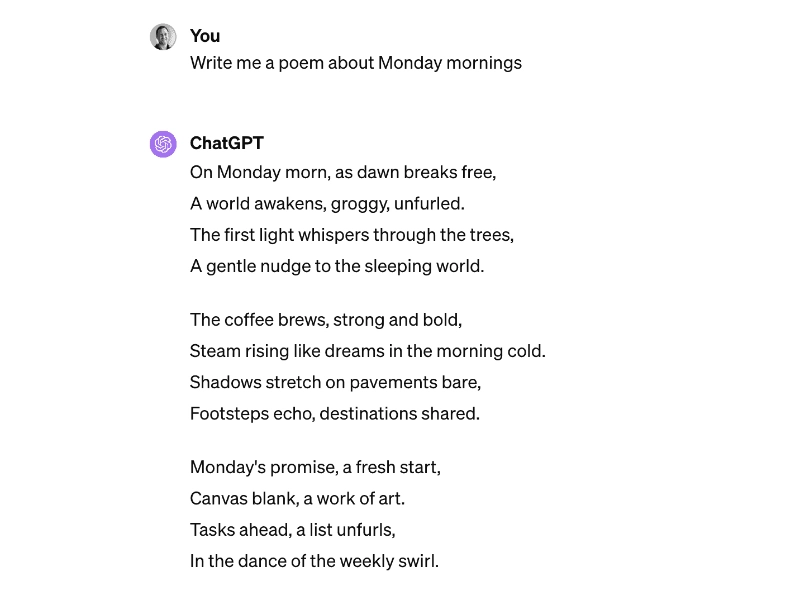
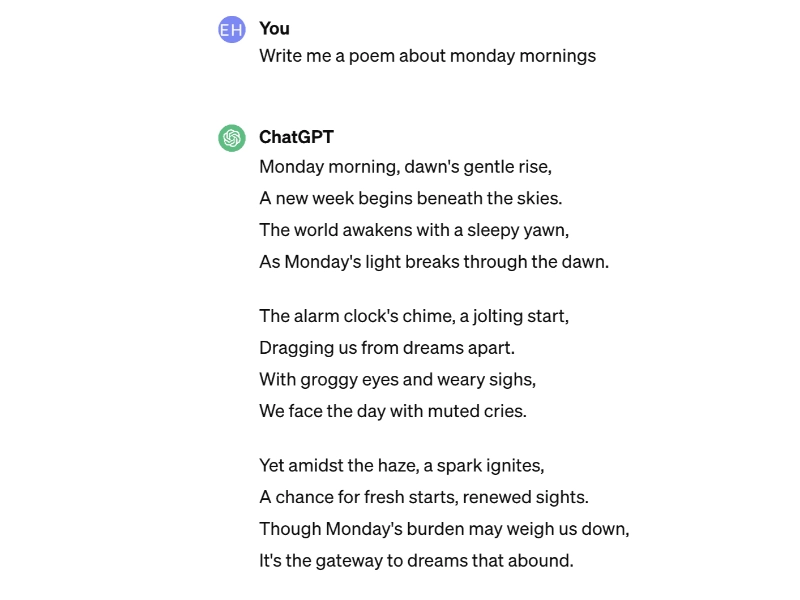
- ChatGPT creates unique responses even when prompted with identical questions. It’s able to generate different answers for a number of reasons, including training data, model updates, language and tone, and context.
- The question of whether AI provides the same answers to everyone is multifaceted. While algorithms aim to deliver personalised experiences tailored to individual preferences, they are also susceptible to biases and limitations inherent in their design and implementation.
The inquiry into whether AI furnishes identical responses to all individuals encompasses various dimensions. While algorithms strive to furnish customised experiences aligned with individual inclinations, they are Moreover, the human element introduces further layers of complexity, shaping the outcomes of interactions with AI systems.
As we navigate this complex terrain, it’s essential to approach AI with a critical eye, recognising its potential while also acknowledging its shortcomings. By fostering transparency, accountability, and inclusivity in the development and deployment of AI technologies, we can harness their transformative power for the betterment of society.
Ultimately, the quest for equitable and unbiased AI requires ongoing vigilance, collaboration, and ethical reflection—a journey worth undertaking in our pursuit of a more just and equitable future.
Also read: Is ChatGPT a ‘conversational AI’ model?
Personalisation algorithms: Tailored experience
One of the hallmarks of modern AI is its ability to personalise experiences. Take, for example, the product recommendations on e-commerce websites. These platforms employ sophisticated algorithms that analyse your browsing history, purchase behavior, and demographic information to suggest items that align with your preferences. As a result, two individuals browsing the same website may receive vastly different recommendations tailored to their unique interests and needs.
Similarly, social media feeds are curated based on algorithms that prioritise content you’re likely to engage with, creating echo chambers where individuals are exposed to information that reinforces their existing beliefs and opinions. What you see on your feed may be drastically different from what someone else sees, even if you’re connected to the same network of friends and acquaintances.
Bias in AI: Invisible hand
While AI strives for objectivity, it’s not immune to bias. Algorithms are trained on data that reflects the biases and prejudices inherent in society. For instance, a study by researchers at MIT found that facial recognition systems exhibit higher error rates for women and people with darker skin tones compared to their male and lighter-skinned counterparts. These disparities highlight the inherent biases encoded within AI systems, which can lead to unequal treatment and outcomes for different demographics.
Moreover, the decisions made by AI systems can perpetuate existing inequalities. In hiring processes, for example, algorithms may inadvertently favor candidates from certain backgrounds or penalise individuals with non-traditional career paths, perpetuating systemic biases present in the training data.
ChatGPT as an example
ChatGPT operates through the analysis of input, drawing upon a vast database of information. It employs sophisticated algorithms and machine learning techniques to comprehend and interpret questions. However, its response generation isn’t a mere retrieval of fixed answers; it involves a complex process of contextual understanding and language processing.
The sophisticated nature of ChatGPT’s response generation highlights its ability to dynamically adapt to the nuances of each interaction. This ensures that the generated content isn’t just contextually relevant but also possesses a level of linguistic fluency and coherence akin to human conversation.
This multifaceted approach empowers ChatGPT to address a diverse range of topics and queries effectively. It provides responses tailored to the specific context and intent of the user’s input, fostering a personalised interaction experience.
Consequently, ChatGPT’s capability to synthesize information and formulate responses reflects the fusion of advanced language processing capabilities and adaptive learning mechanisms. This integration results in a versatile and responsive conversational AI tool, setting a new benchmark in AI-driven communication.
ChatGPT doesn’t give the same answers to everyone
OpenAI’s ChatGPT uses an LLM (Large language model) called GPT-3.5 (or GPT-4 if you’re a ChatGPT Plus or ChatGPT Enterprise subscriber). The AI bot can generate human-like responses about any topic for blog posts, product descriptions, and more. ChatGPT can provide answers to all kinds of questions. In fact, it’s so powerful that it can even generate codes for apps.
Several factors influence ChatGPT’s responses. These include the specific wording of a query, the context provided, and even the timing of the question. ChatGPT’s learning algorithms allow it to adapt and update its responses based on new information, which means answers can evolve over time.
The dynamic nature of ChatGPT’s responses is a testament to its capacity to continuously refine and enhance its understanding of diverse topics and user interactions. By leveraging machine learning algorithms, ChatGPT can iteratively incorporate new insights and information, thereby evolving its responses to align with the latest developments and user preferences. This adaptability underscores ChatGPT’s ability to deliver relevant and up-to-date content that resonates with the ever-changing landscape of user inquiries and information needs.
As its popularity increases, with the chatbot reaching 100 million weekly users, many people want to know if the responses that they are receiving will be received by others using the platform. If you’re using ChatGPT for your studies and are concerned that your classmates will be doing the same thing, subsequently handing in the same work. You’ve got nothing to worry about. ChatGPT doesn’t give the same answers to everyone.
However, it is important to note that even though ChatGPT can create unique responses, it can still be detected by universities. There are always risks to using ChatGPT for schoolwork, and they should be properly considered before handing in anything aided by the chatbot.
Also read: Paid ChatGPT can remember user preferences
Human element: Context and interpretation
Beyond algorithmic intricacies, the human element also plays a crucial role in shaping the responses generated by AI. Context, intent, and interpretation all influence the outcome of interactions with AI systems. A simple query posed to a virtual assistant can yield varied responses depending on the phrasing, tone, and cultural nuances involved.
Furthermore, human oversight is essential in ensuring the ethical and responsible deployment of AI technologies. While algorithms can crunch numbers and analyse patterns at scale, they lack the empathy, moral reasoning, and ethical judgment inherent in human decision-making. Thus, the ultimate responsibility lies with us to wield AI in ways that promote fairness, transparency, and inclusivity.