Summary
- DigitalOcean says every reserved IP is free while assigned to a Droplet. An unassigned reserved IPv4 address is listed at $5 per month ($0.01 per hour), and the company does not bill it until at least $1 accrues for that IP.
- An unassigned reserved IPv6 address remains free. A reserved address can be reassigned between Droplets in the same datacenter, but cannot sit on two Droplets at once. The price is attached to the IPv4 standby state, not to a second active server.
Rent for an empty hook
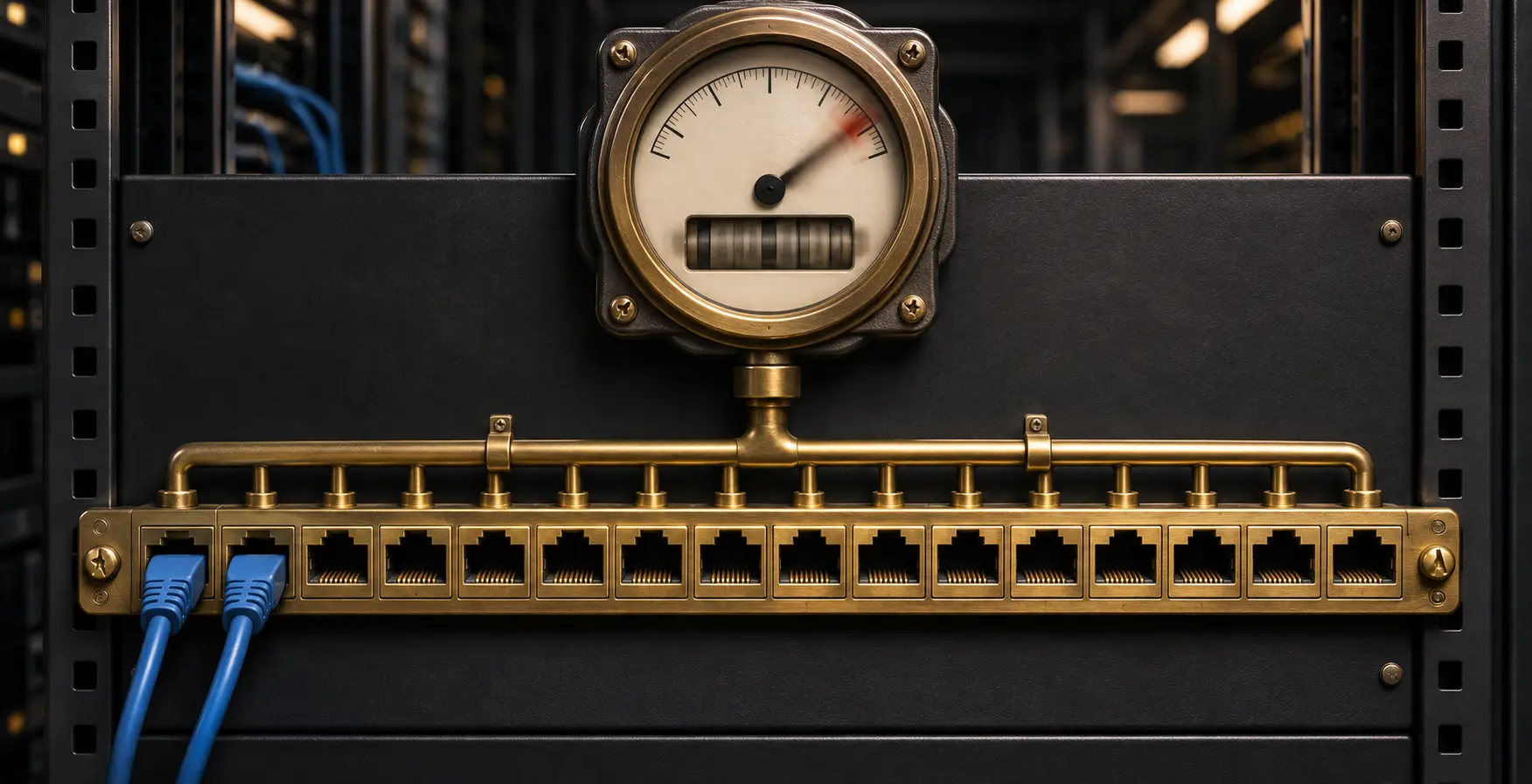
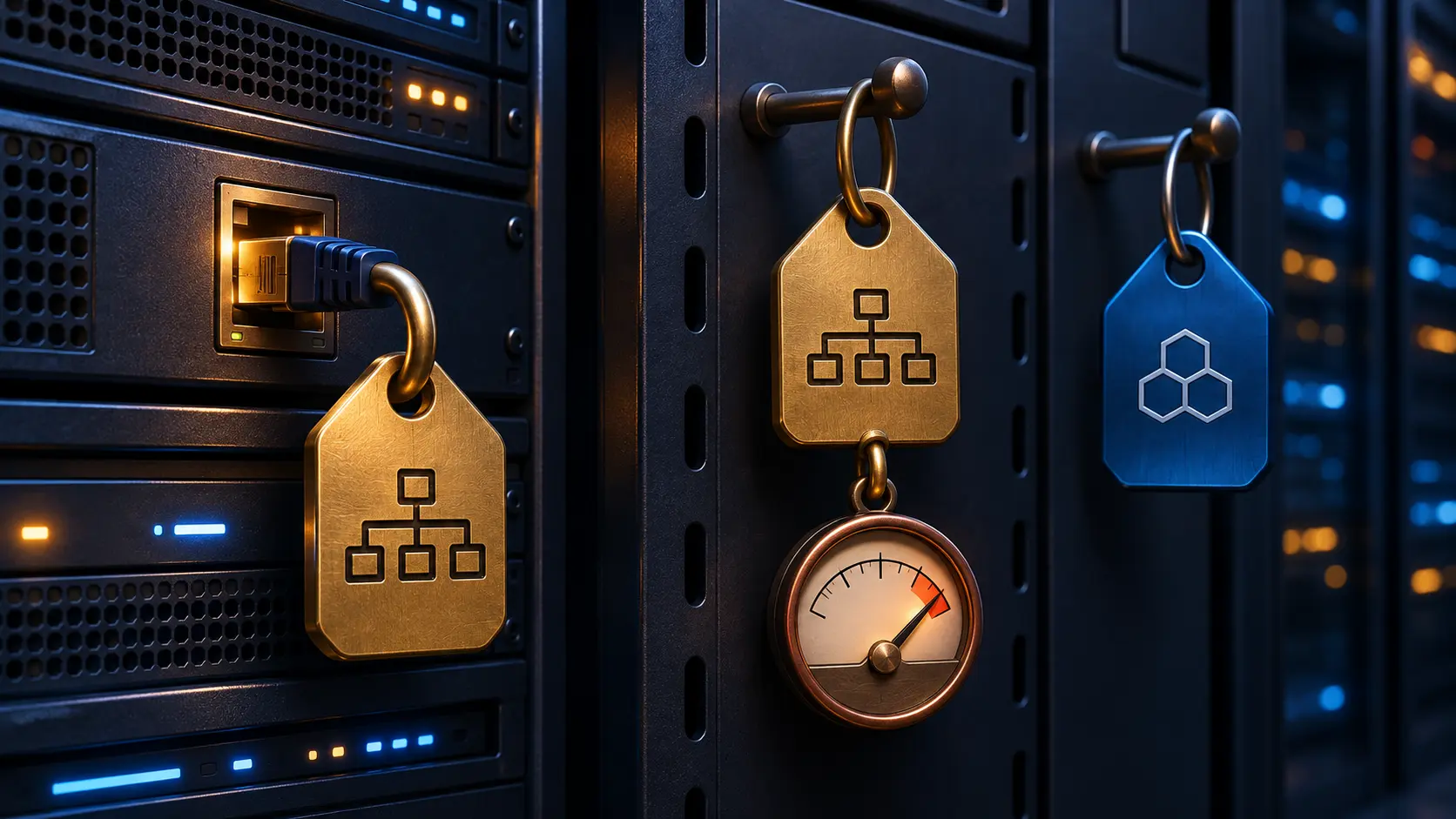
Picture a small service with one Droplet running and a second machine prepared for failure. A stable reserved address can move between them. DigitalOcean's quickstart also lets the operator create an address and leave it unassigned in a datacenter for later use. In the first case, the address is attached to a Droplet. In the second, it hangs on a hook. The price sheet treats those states differently.
Every reserved IP is free when assigned to a Droplet. Reserved IPv4 becomes chargeable when held without one: DigitalOcean lists $5 per month and $0.01 per hour, with no bill until $1 has accrued for that particular address. A short unassigned interval therefore should not be described as an automatic invoice. Reserved IPv6 stays free even when unassigned. The fee is a price on keeping an IPv4 option open, not a surcharge for traffic passing through an assigned address. Standard Droplet bandwidth billing still applies to data transfer.
The provider's controls limit how that option can be used. The quickstart offers assignment at creation or an unassigned reservation in a chosen datacenter, plus later reassignment, unassignment and deletion. Its limits page allows a reserved IP on only one Droplet at a time; it cannot attach to a DigitalOcean Load Balancer. The default account limit is three reserved IPs. A team designing failover cannot count one address as simultaneously live on two Droplets, and should not mistake an unattached address for a running backup service.
This is a different bargain from buying a continuous range of addresses. Here one address changes price with its assignment state. If an operator needs a stable IP for the active Droplet, keeping it attached costs no separate reserved-IP fee under the published tariff. If the operator wants several spare IPv4 addresses preselected but idle, their unassigned time is the economic input to watch. IPv6 carries a different listed price, but a customer still has to check whether its actual partners and workloads can use IPv6 before changing the design.
The public documents do not say how the $5 monthly and $0.01 hourly figures reconcile for every billing period. A specific invoice needs the address's assignment history and accrued charge. What the documents do settle is the direction of the incentive: use an IPv4 reservation on a Droplet, or account for the cost of keeping it waiting.
Sources
Member Briefing
Deeper Profile Context
Sign in with the right membership level to unlock the full briefing and source notes.
Only for Strategic Circle
Strategic Circle
Open to all readers. Unlock profile briefings after joining and signing in.
Join Strategic CircleOnly for Leadership Alliance
Leadership Alliance
For qualified IP-asset owners and management; sign in to unlock alliance briefings.
Join Leadership Alliance