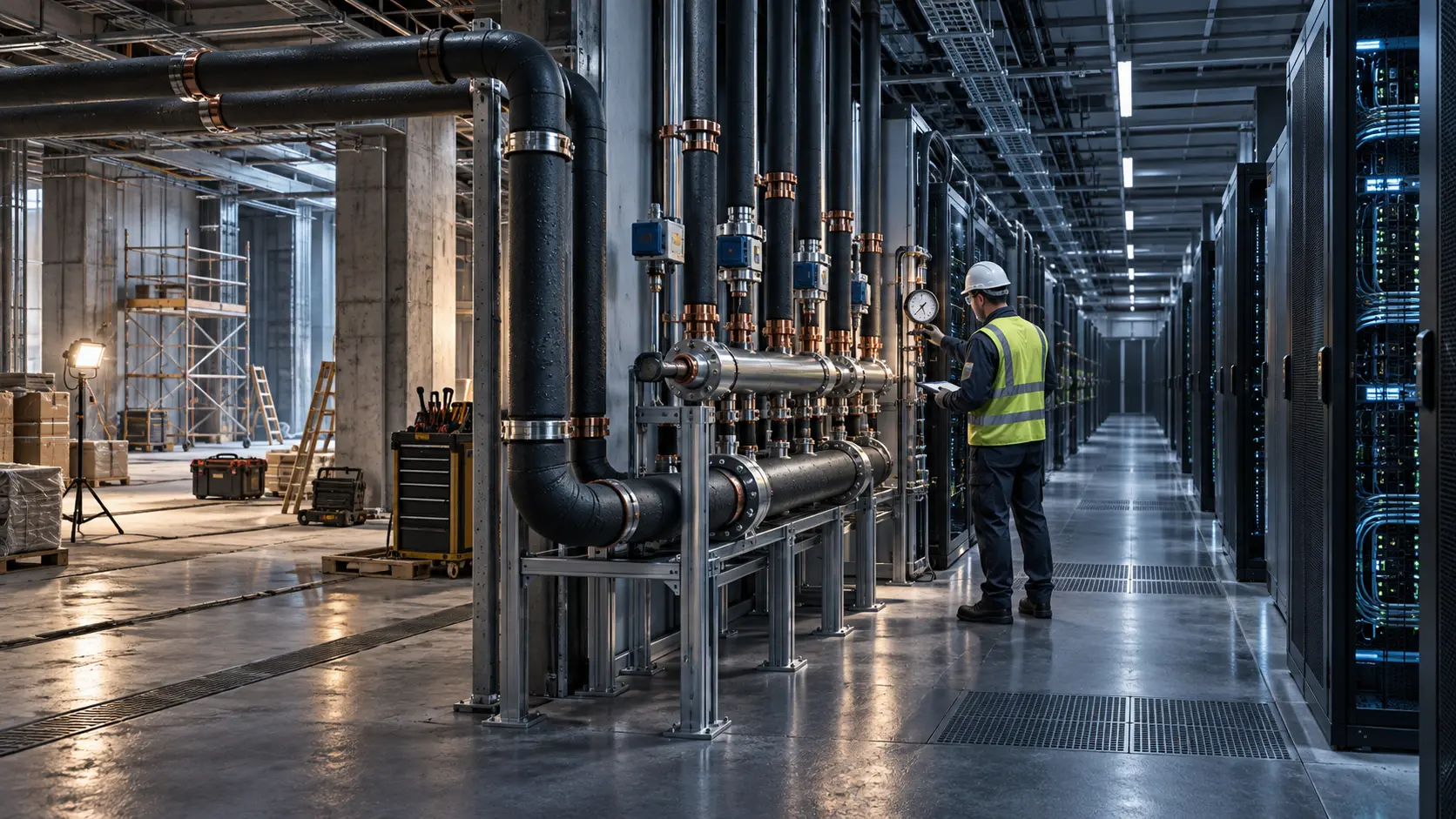
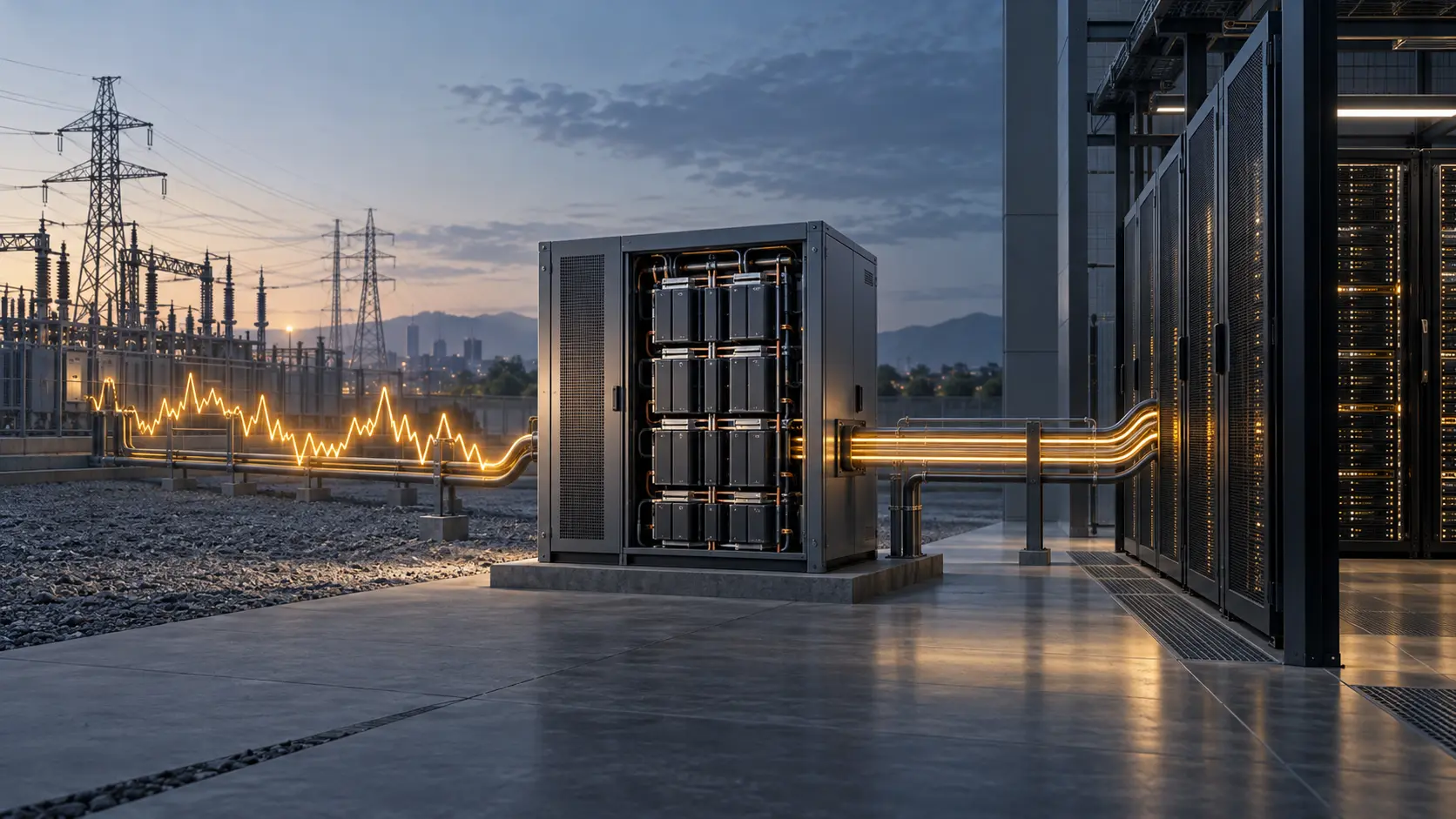
- DigitalBridge's Jon Mauck said data centres are built as roughly 20-year assets while the GPUs inside them may last only five to seven years
- The difference means investors must account for repeated hardware replacement during the much longer life of the physical facility
The Fact
DigitalBridge senior managing director Jon Mauck highlighted the different lifespans of data-centre infrastructure and AI hardware during Datacloud USA in Austin on 2 September. Mauck, who leads DigitalBridge's global data-centre investment strategy, described data centres as roughly 20-year industrial assets while the GPUs installed inside them may have useful lives of five to seven years. Capacity included the comments in its takeaways from Metro Connect Fall and Datacloud USA.
The difference means a data-centre building, its power infrastructure and other supporting systems can remain in use through several generations of computing equipment. Replacing the GPUs does not mean replacing the entire facility, but it creates another funding decision during the life of the asset. Mauck also discussed the growing use of third-party capital to finance AI computing equipment. His remarks did not announce a new DigitalBridge fund or data-centre project.
The assessment
Most of the infrastructure around an AI cluster is intended to remain in place for years: the building, power connection, cooling systems and network links. The GPUs are replaced much sooner. A facility built for 20 years could therefore go through several generations of computing equipment.
That puts hardware replacement into the financing plan from the beginning. Someone still has to pay for the next generation of servers, while the site may also need to accommodate changes in power density or cooling requirements. A long-lived building does not remove those shorter technology cycles.
For BTW readers, the distinction is between the life of the facility and the life of the equipment inside it. Lease terms, hardware-refresh responsibilities and future power and cooling upgrades will show how investors and operators are dealing with that difference.
What to watch
Watch for financing and lease structures that specify who pays for GPU replacement and how future hardware upgrades are handled. Data-centre projects that disclose refresh schedules, upgrade responsibilities or separate financing for buildings and computing equipment would provide clearer evidence of how investors are managing the different asset lives.
Member Briefing
Deeper Profile Context
Sign in with the right membership level to unlock the full briefing and source notes.
Only for Strategic Circle
Strategic Circle
Open to all readers. Unlock profile briefings after joining and signing in.
Join Strategic CircleOnly for Leadership Alliance
Leadership Alliance
For qualified IP-asset owners and management; sign in to unlock alliance briefings.
Join Leadership Alliance