
- Digital transformation in film and television: A look at 3D animation and its successes.
- Balancing technology and corporate culture: Integrating traditional Chinese values with modern innovations.
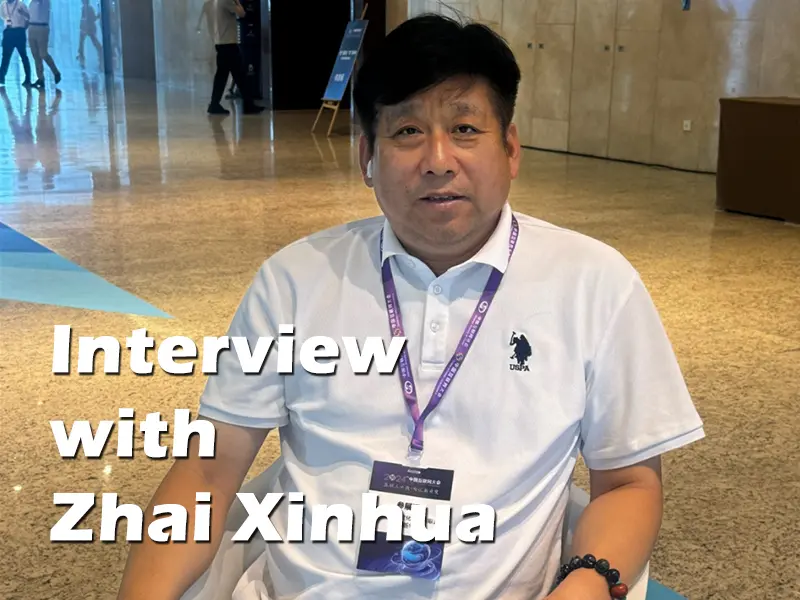
When we think of digital transformation, we often imagine high-tech solutions and innovative approaches sweeping across industries. But what does this look like in the realms of cultural tourism and entertainment? To explore this, I sat down with Zhai Xinhua, the general manager of Beijing Shengshi Guanjin and a key figure in Beijing Performance Network, who shared his insights on the current landscape and future prospects. His company specialises in planning and executing performance events, offering a wealth of information and services related to performances. These include event planning, resource coordination, and project management.
The company is dedicated to providing high-quality performance solutions and promoting the development of cultural performances.
A new era in film and television
“Over the past two years, the most notable development has been the digitisation of the film and television sector,” Zhai began, reflecting on the rapid changes. “3D animation has taken centre stage, with productions like ‘Chang An’ standing out. This domestic animation has visuals and character portrayals that are on par with live performances.”
He also mentioned another significant project, ‘The Legend,’ which used digital techniques to restore Jackie Chan to his younger self.
These advancements highlight the industry’s embrace of digital transformation, making storytelling more immersive and visually captivating. However, the journey is not without its challenges.
Opportunities and challenges in digital transformation
“Digital transformation is very important,” Zhai emphasised. “It permeates every industry, offering new opportunities but also bringing challenges.” One such challenge is the overabundance of digital elements. “Take ‘Luobo Kuaipao’ in Wuhan, for instance. This autonomous driving initiative is part of the broader digital landscape, demonstrating both the potential and the complexity of integrating digital technologies into everyday life.”
Zhai believes that under the right conditions, digital transformation can bring new vitality to society, enhancing the quality of life. “It’s about finding a balance and ensuring that these technologies serve people effectively,” he said.
Also read: ‘Luobo Kuaipao’: Fear and excitement as China embraces robotaxis
Also read: AI transformation: AI for digital transformation
Balancing technology and corporate culture
One of the critical aspects of successful digital transformation is the integration of technology with corporate culture. “Corporate culture cannot be separated from traditional culture or the culture of digital transformation,” Zhai noted. He explained that traditional forms of entertainment, such as calligraphy, painting, and poetry, can coexist with modern digital phenomena like the metaverse.
“We should base our approach on our traditional and classic cultures before incorporating new technologies,” Zhai asserted.
Chinese traditional culture is further extended by introducing high-tech digital methods, but it always relies on traditions.
Zhai Xinhua
Innovative approaches in cultural tourism
The impact of digital transformation is also evident in cultural tourism. “Traditionally, people would attend events in person, but now this can be done online with promotional activities and interactions for scenic spots,” Zhai explained. He cited the example of Henan, where digital platforms have transformed traditional matchmakers into a high-demand service. “Many young people now blend traditional matchmaking with modern needs, creating a unique cultural fusion.”
Leveraging government support for digital transformation
With the government actively promoting digital transformation, enterprises have a unique opportunity to leverage policy support. “The government’s role is to drive the introduction and development of digitalisation in various fields,” Zhai said.
For instance, the development of big data at the local level is very beneficial. The government releases data related to public administration and other areas, which enterprises can utilise effectively.
Zhai Xinhua
Zhai stressed the importance of collaboration between government and enterprises, ensuring that the implantation and development of digitalisation complement each other. “It’s about working together to penetrate every industry and make the most of these advancements.”
A personal reflection
Listening to Zhai Xinhua, it’s clear that the digital transformation of culture and entertainment is a dynamic and multifaceted journey. The balance between tradition and innovation is delicate, but it’s also where the magic happens.
Digital transformation is not just about adopting new technologies; it’s about integrating them thoughtfully into our cultural fabric. This journey requires a deep respect for our traditions and a willingness to embrace the future. As Zhai aptly put it, “It’s about finding a balance and ensuring that these technologies serve people effectively.”
In the end, it’s this balance that will define our digital future, making it rich, vibrant, and deeply connected to our roots.