
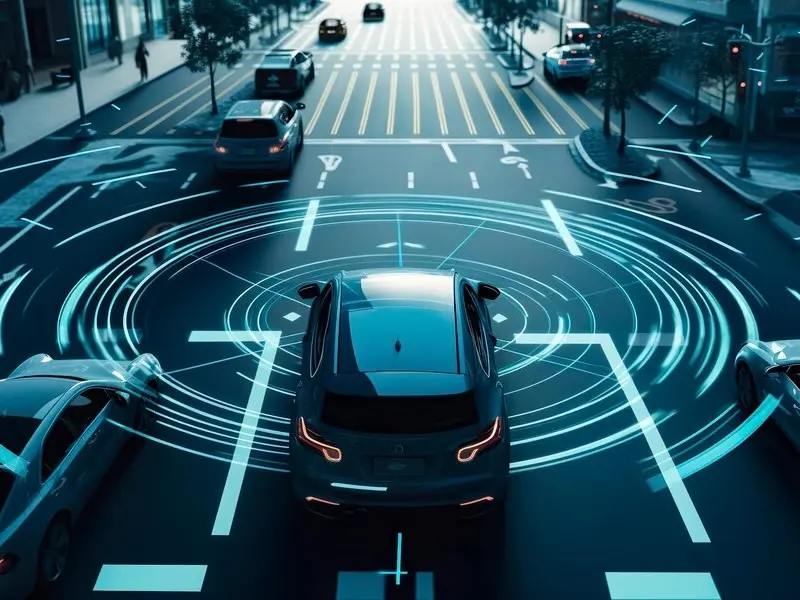
- The technology required for autonomous vehicles, including sensors, cameras, and sophisticated software, is currently expensive.
- Autonomous vehicles still face technical limitations and reliability issues, particularly in complex driving conditions like inclement weather, construction zones, and unmapped areas.
- Autonomous vehicles raise complex ethical and legal questions surrounding liability, accountability, and decision-making in the event of accidents or malfunctions.
While with the potential to enhance safety, efficiency, and convenience on the roads, autonomous vehicles have some potential drawbacks and challenges. From affordability concerns to technical limitations and ethical dilemmas, there are several disadvantages that warrant careful consideration.
1. Cost and affordability
Autonomous vehicles require sophisticated sensors, cameras, lidar systems, and complex software algorithms to navigate safely and autonomously. These components contribute to the high initial cost of autonomous vehicles, making them inaccessible to many consumers.
In addition to the cost of the vehicles themselves, the widespread adoption of autonomous technology necessitates significant investments in infrastructure, including the development of smart roads, traffic management systems, and communication networks. These infrastructure upgrades further contribute to the overall cost of deploying autonomous vehicles on a large scale.
The high cost of autonomous vehicles may exacerbate existing disparities in access to transportation, particularly among low-income individuals and underserved communities. Additionally, the affordability of autonomous technology may limit its adoption in certain sectors, such as public transportation and freight logistics, where cost considerations are paramount.
Also read: What are the benefits of autonomous vehicles?
2. Technical limitations and reliability
While autonomous vehicles hold the promise of safer and more efficient transportation, they are not without their technical limitations and reliability challenges. Despite significant advancements in sensor technology and artificial intelligence, autonomous vehicles still face several hurdles that impede their widespread adoption and deployment.
Autonomous vehicles struggle to navigate complex driving conditions such as inclement weather, construction zones, and unmapped areas. These unpredictable environments pose challenges for sensor systems and navigation algorithms, leading to potential safety hazards and performance limitations.
Autonomous vehicles are susceptible to software glitches, sensor failures, and other technical issues that can compromise their reliability and safety. Even minor malfunctions or errors in the vehicle’s autonomous systems can have serious consequences, including accidents and collisions.
Despite their autonomous capabilities, most self-driving vehicles still require human intervention in certain situations, such as emergencies or unforeseen obstacles. This reliance on human oversight undermines the concept of fully autonomous driving and raises questions about the practicality and reliability of autonomous technology in real-world scenarios.
Also read: How is AI used in autonomous vehicles?
3. Ethical and legal challenges
Determining liability in the event of accidents or collisions involving autonomous vehicles is a contentious issue that remains unresolved. Questions about whether the vehicle manufacturer, software developer, or human operator should be held accountable for accidents raise complex legal and ethical considerations.
Autonomous vehicles must grapple with ethical dilemmas related to decision-making in critical situations, such as accidents or unavoidable collisions. The programming of autonomous systems to prioritise certain outcomes over others raises questions about moral responsibility and the value of human life in automated decision-making processes.
The development and deployment of autonomous vehicles require robust regulatory frameworks to address safety, privacy, and ethical concerns. However, the pace of regulatory adaptation and the lack of uniform standards across jurisdictions pose challenges for industry stakeholders and policymakers seeking to navigate the evolving landscape of autonomous technology.