

- Virtual tourism presents viewers with an immersive experience of an activity, location, or destination through the use of technology.
- Virtual tourism has been growing and developing as an industry in parallel to technological advancements and the use of smart tourism in recent years.
- Advanced technology, such as high-speed internet, virtual reality (VR), and augmented reality (AR), has made it possible to create lifelike travel experiences.
OUR TAKE
Virtual tourism is more than just a temporary substitute for physical travel; it’s a revolutionary way to experience the world. It combines the thrill of exploration with the convenience of staying at home, making it an ideal option for curious minds and adventurous spirits.
–Jinny Xu, BTW reporter
In an era where technology permeates every aspect of our lives, the concept of travel has transcended physical boundaries. Welcome to the world of virtual tourism, where you can explore exotic destinations, cultural landmarks, and breathtaking natural wonders from the comfort of your living room. Whether driven by convenience, cost, or necessity, virtual tourism offers a unique and immersive experience that caters to wanderlust without leaving home.
What is virtual tourism
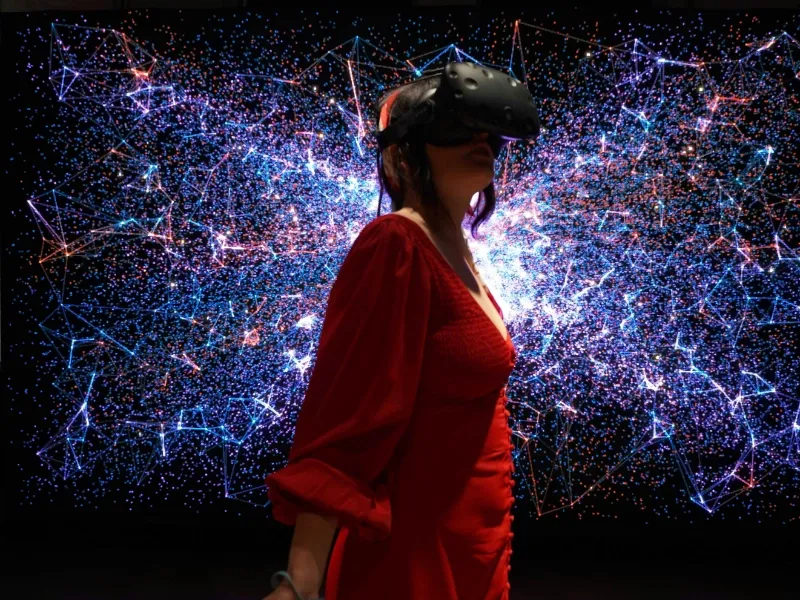
Virtual tourism isn’t a completely new concept, but its popularity has skyrocketed, especially in times when physical travel is restricted. Advanced technology, such as high-speed internet, virtual reality (VR), and augmented reality (AR), has made it possible to create lifelike travel experiences. These innovations allow users to visit the pyramids of Egypt, stroll through the bustling streets of Tokyo, or dive into the Great Barrier Reef—all without the need for a passport or plane ticket.
Also read: Growing Sabah’s tourism: SABAH NET heralds digital opportunities
Also read: How social media and technology are changing youth tourism?
At the heart of virtual tourism lies advanced technology. VR headsets like Oculus Rift and HTC Vive offer immersive 360-degree experiences, making you feel as though you are physically present in a different location. Meanwhile, AR apps can overlay digital information onto the real world, enhancing your surroundings with interactive elements and guided tours.
Thomas Dolby, an English musician, producer, and technology entrepreneur, reflecting on his early experiences with VR, said, “I had imagined that I would just put on a helmet and be somewhere else – that’s your dream of what it’s going to be.”
“I had imagined that I would just put on a helmet and be somewhere else – that’s your dream of what it’s going to be.”
Thomas Dolby
One notable example is Google Earth VR, which allows users to fly around the globe and explore cities, mountains, and even outer space. With Google Earth VR, you can stand on the edge of the Grand Canyon, wander through the streets of Paris, or even zoom out to see the planet from space. The platform offers an unparalleled sense of scale and perspective, making it a favourite among virtual tourismlers.
Platforms like YouVisit and Ascape offer virtual tours of museums, landmarks, and natural wonders, providing detailed narratives and interactive features that enrich the experience. YouVisit, for instance, offers 360-degree tours of iconic places like the Statue of Liberty, the Eiffel Tower, and the Colosseum in Rome. Ascape specialises in VR travel experiences with a focus on scenic locations and cultural events, offering immersive tours of places like Machu Picchu and the cherry blossom festivals in Japan.
Benefits of virtual tourism
Virtual tourism offers benefits for both the tourism industry and tourists. Here are the key advantages of virtual tourism that I have identified.
Accessibility and inclusivity
Virtual tourism breaks down barriers for those who may find physical travel challenging due to disabilities, financial constraints, or health issues. It democratises the ability to explore the world, offering everyone the chance to experience different cultures and landscapes. For example, people with mobility issues can now explore rugged terrains like the Rocky Mountains or the rainforests of Costa Rica without any physical strain.
Also read: The use of tech in museums is a much-needed revolution
Educational value
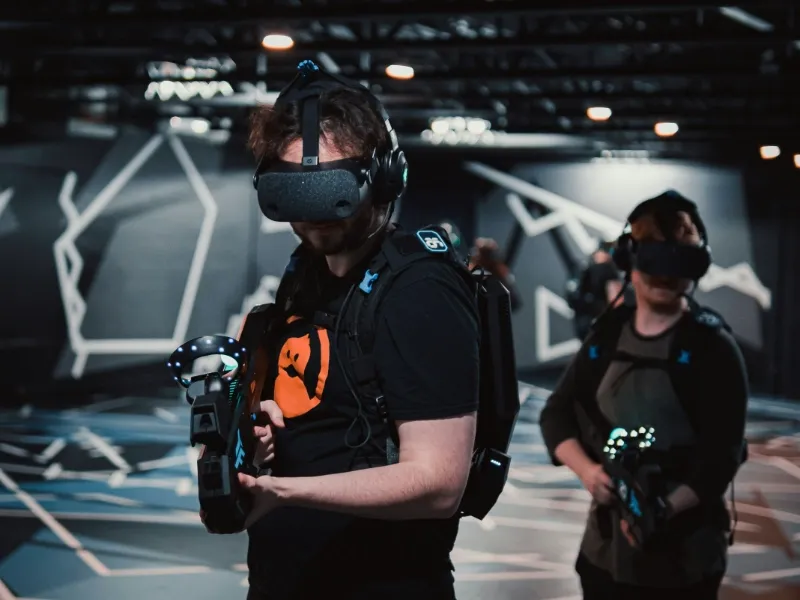
For educators and students, virtual tourism is a powerful tool. It brings history, geography, and science lessons to life, making learning interactive and engaging. Students can walk through ancient Rome, visit the Louvre, or explore the Amazon rainforest, enhancing their understanding and appreciation of these subjects. Platforms like Discovery Education and Expeditions by Google offer comprehensive educational VR experiences that take students on virtual field trips around the globe.
Environment friendly
Travelling virtually significantly reduces the carbon footprint associated with traditional travel. With growing concerns about climate change, virtual tourism presents an eco-friendly alternative that allows people to satisfy their curiosity without contributing to environmental degradation. For instance, virtual safaris in African national parks offer a way to experience wildlife without the ecological impact of a physical visit.
Cost-effective exploration
Traditional travel can be expensive, with costs for flights, accommodation, and meals quickly adding up. Virtual tourism eliminates these expenses, offering a budget-friendly option for those looking to explore the world without breaking the bank. A VR headset and a subscription to a virtual tourism platform are all you need to visit dozens of destinations.
Stimulate physical tourism
By showcasing the beauty and unique features of destinations through VR and 360-degree videos, virtual tours can captivate potential travellers and spark their interest in visiting in person. Moreover, the “try-before-you-buy” aspect of virtual tourism allows travellers to preview activities and attractions, increasing their likelihood of booking trips. Creating buzz through social sharing of virtual experiences, and partnering with travel influencers, can further amplify interest and reach a broader audience.
Popular virtual tourism experiences
Virtual museum tours
Many renowned museums offer virtual tours, allowing art enthusiasts to view masterpieces from their homes. The Louvre in Paris, for example, offers a virtual tour of its most famous exhibits, including the Mona Lisa and the Venus de Milo. Similarly, the British Museum in London provides a virtual walk-through of its extensive collections, from Egyptian mummies to the Rosetta Stone. The Smithsonian in Washington, D.C., offers virtual tours of its many museums, including the National Museum of Natural History and the National Air and Space Museum.
Pop quiz
Which museum offers a virtual tour of the Rosetta Stone?
a) The Louvre
b) The British Museum
c) The Smithsonian
d) The Metropolitan Museum of Art
The correct answer is at the bottom of the article.
Natural wonders and national parks
Virtual tours of natural wonders and national parks provide an escape into nature’s beauty. The Grand Canyon, Yellowstone, and the Galápagos Islands are just a few of the breathtaking locations you can explore through VR experiences and 360-degree videos. The National Park Service offers virtual tours of several U.S. national parks, allowing you to hike through Yellowstone, explore the caves of Carlsbad Caverns, or paddle through the fjords of Kenai Fjords National Park.
Cultural festivals
Experience the vibrancy of cultural festivals around the world. From the Rio Carnival to the Diwali celebrations in India, virtual tourism platforms offer live streams and recorded experiences that capture the essence of these events. The Rio Carnival’s dazzling parades and the mesmerising lantern releases during Thailand’s Yi Peng Festival can now be experienced virtually, bringing the excitement and cultural richness of these events to your living room.
Historical landmarks

Historical landmarks are another popular category in virtual tourism. The ancient city of Petra in Jordan, the Great Wall of China, and the Pyramids of Giza in Egypt are all accessible through virtual tours. For instance, CyArk, a non-profit organisation, provides 3D tours of historical sites, allowing you to explore these ancient wonders in incredible detail.
The future of virtual tourism
As technology continues to evolve, the possibilities for virtual tourism are endless. Advances in AI, machine learning, and haptic feedback will make these experiences even more realistic and immersive. Imagine feeling the texture of ancient ruins or the heat of the sun while standing on a virtual beach.
Martin Sorrell, a prominent business leader, expressed his confidence in the future of virtual reality, stating, “I believe that Virtual Reality will hit it big time. I know that some of my colleagues disagree, but I believe in it.”
“I believe that Virtual Reality will hit it big time. I know that some of my colleagues disagree, but I believe in it.”
Martin Sorrell
As more destinations and institutions invest in creating high-quality virtual experiences, the variety and quality of content will continue to grow. This burgeoning industry not only caters to travel enthusiasts but also opens up new opportunities for tourism boards and travel companies to engage with a global audience.
The correct answer is B, The British Museum