Summary
- Akamai reported US$99.319 million of second-quarter 2026 cloud infrastructure services revenue, up from US$71.463 million a year earlier, roughly 39% growth.
- The company says longer-term co-location leases carry financial commitments. Their associated costs are recognized over the lease terms; in some cases costs begin before locations are fully utilized.
- Company-wide co-location expense was US$99.494 million, up from US$87.189 million. That line covers the whole business and cannot be turned into a cloud infrastructure margin.
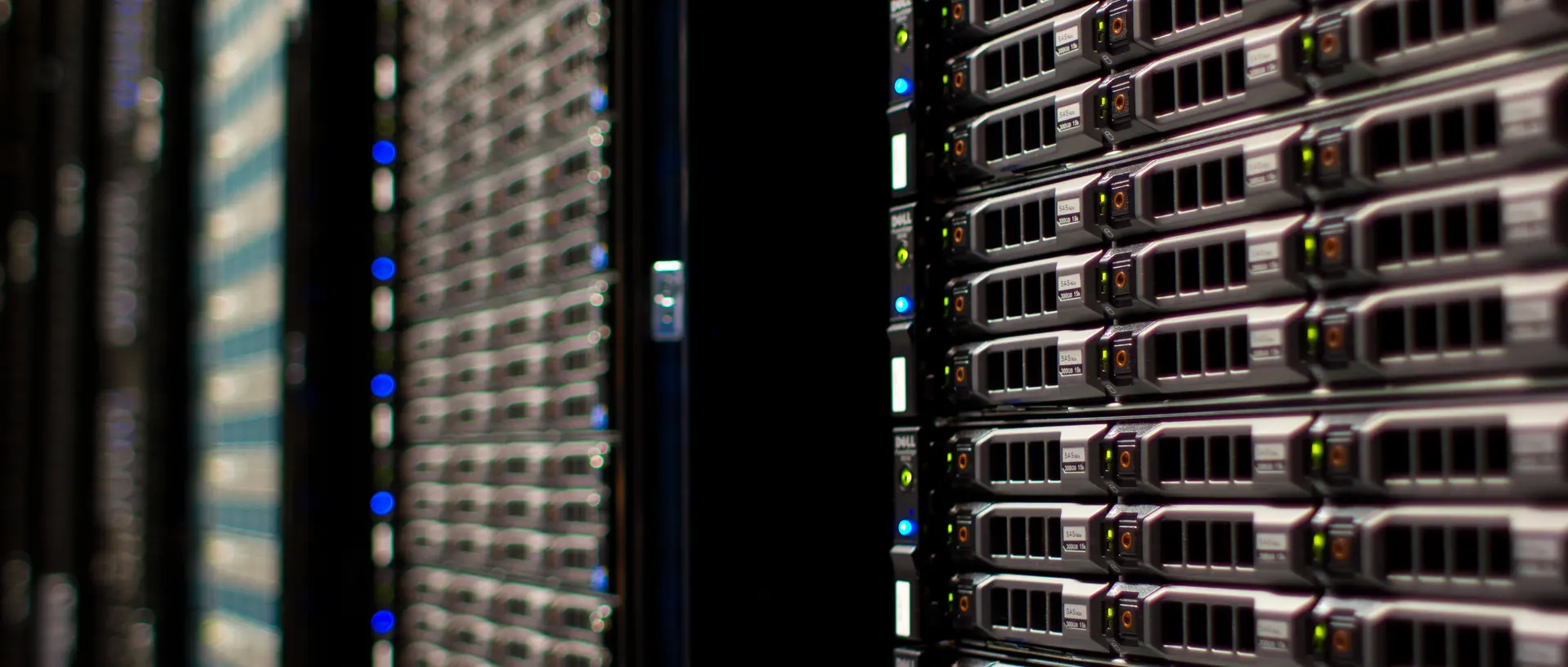
The awkward sentence in Akamai’s Form 10-Q is about rent. The company is expanding its cloud platform, including AI capacity, and says it is signing longer-term leases with financial commitments. The costs are recognized ratably. Some facilities are not yet fully utilized when the bill starts landing in the income statement. There is no pause button on the lease while Akamai sells and deploys services into the remaining capacity.
Cloud infrastructure services did grow fast in the second quarter. Revenue reached US$99.319 million, compared with US$71.463 million one year earlier. This category includes compute and storage, EdgeWorkers and compute partner solutions. Elsewhere in the same revenue table, delivery and other cloud applications fell to US$395.927 million from US$420.117 million. The company is shifting what it sells while it builds what it needs to deliver it.
The cost table supplies another angle, with a hard accounting boundary. Company-wide co-location costs were US$99.494 million in the quarter, against US$87.189 million last year. Network build-out and supporting services cost US$74.415 million, up from US$58.223 million. Akamai links the latter rise to cloud infrastructure expansion and its compute partner program. Neither line is allocated solely to cloud infrastructure services. Dividing either by the US$99.319 million cloud revenue figure would manufacture a segment margin the filing does not give.
The lease mechanism still matters. A site with unused space can impose current expense and a future contractual commitment at the same time. New customer demand can close that gap, but its arrival date is a commercial variable. The financial commitment has its own calendar. Akamai explicitly says it must manage co-location costs to maintain or improve profitability. That is an operating challenge, not a slogan about demand.
The filing does not disclose utilization by site or cloud-specific co-location expense. Those figures would show how much of the cost clock has already been matched by paying usage. Until they appear, the most honest measure is a pair of trajectories: cloud revenue growing, and company-wide capacity and build-out costs growing alongside it.
Sources
Member Briefing
Deeper Profile Context
Sign in with the right membership level to unlock the full briefing and source notes.
Only for Strategic Circle
Strategic Circle
Open to all readers. Unlock profile briefings after joining and signing in.
Join Strategic CircleOnly for Leadership Alliance
Leadership Alliance
For qualified IP-asset owners and management; sign in to unlock alliance briefings.
Join Leadership Alliance