
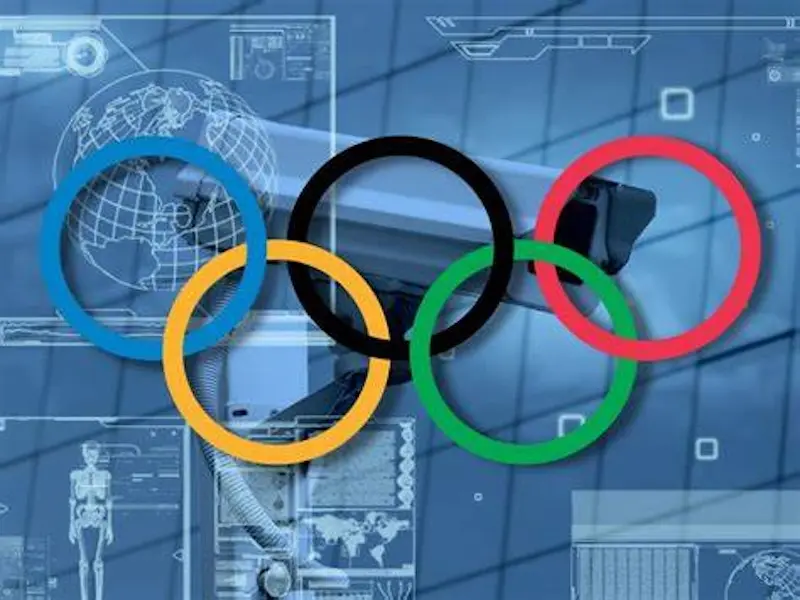
- AI will be heavily used in the Paris Olympics to enhance broadcasting and provide detailed insights into performances.
- Omega Timing introduces advanced technologies for better analysis in swimming, diving, athletics, beach volleyball, and tennis.
OUR TAKE
The integration of AI in the Paris Olympics marks a transformative moment in sports broadcasting. These innovations will not only enhance the accuracy and fairness of competitions but also provide viewers with deeper insights into athletes’ performances, setting a new standard for how we experience the Olympic Games.
— Zoey Zhu, BTW reporter
What happened
The Olympic Games have come a long way since the age of hand-held stopwatches. During the Paris Olympics, artificial intelligence will play a crucial role in determining not just who wins and loses, but the reasons behind those results. Omega Timing, the official timekeeper for the Games, has announced several innovations that will allow viewers to experience the competitions in unprecedented detail. In the Olympic Aquatic Centre, four high-tech cameras will capture real-time data on athletes’ stroke rates and distances, providing a biomechanical analysis that can identify critical moments in races. In diving, new technology will measure the distance between the diver’s head and the board to ensure safety and accurate scoring.
On the athletics track, a new camera will shoot 40,000 frames per second to determine the exact moment athletes cross the finish line. Additionally, track and field bibs will contain sensors that relay data on athletes’ positions and movements to enhance the viewing experience.
Also read: AI immortalizes Michaels: NBC’s Olympic recap magic
Also read: AI Summit spotlights business innovations and sustainability
Why it’s important
These technological advancements signify a major leap forward in sports broadcasting, providing viewers with a deeper understanding of athletic performances. The use of AI in swimming will allow for detailed analysis of each athlete’s technique and performance, offering insights that were previously unavailable. In diving, the ability to measure head-to-board distance in real-time enhances safety and ensures fair judging. The improved camera technology on the athletics track will ensure accurate and fair results in photo finishes, while smart bibs in track and field will provide real-time data on athletes’ performance. On the beach volleyball court, smart cameras will track athletes’ movements and ball speed, giving a comprehensive view of the game. In tennis, cameras will analyse serve and return attempts to provide insights into players’ reflexes and strategies.
Overall, these innovations will enhance the accuracy and fairness of competitions, while providing viewers with a richer and more informative experience of the Olympic Games.