
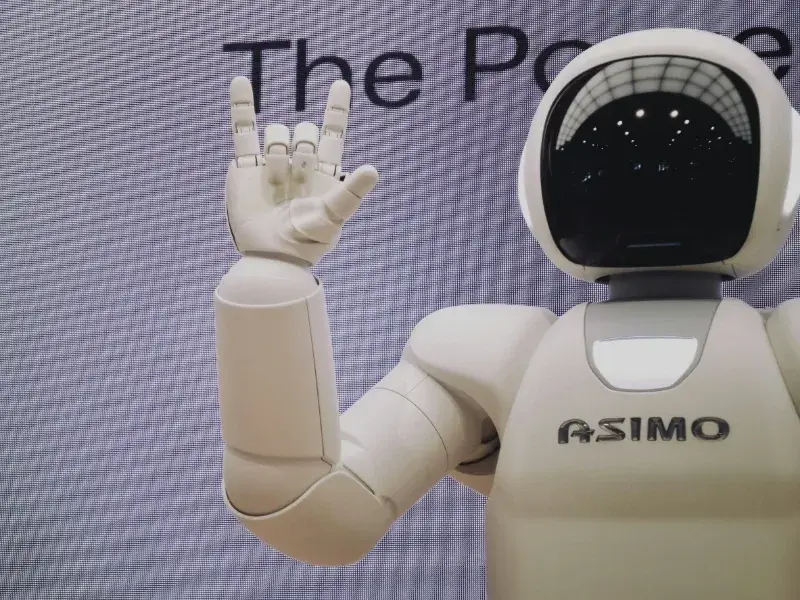
- The integration of AI into various aspects of work and personal life is reshaping how we interact with technology and each other.
- The progression of pervasive computing has set the stage for an AI-infused future, seamlessly integrating AI into daily life and transforming social interactions and behaviours.
- Hyper-personalisation enhances life efficiency and satisfaction through AI-driven tailored experiences but risks isolating individuals and limiting exposure to diverse perspectives and serendipitous discoveries.
While some may focus solely on the positive or negative aspects of AI, it is crucial to approach the discussion realistically. Acknowledging the potential benefits of AI in education, creativity, and intellectual property is essential, but so is understanding the implications for privacy, surveillance, mental health, and personalised experiences. Balancing the advantages and drawbacks of AI adoption is key to navigating its impact on society effectively.
The idea of pervasive computing
In the realm of technology development, the concept of pervasive computing has been pivotal. Initially, the focus was on ensuring widespread access to computing devices, which eventually led to ubiquitous use of computer technologies. This was followed by the idea of pervasive connectivity, where constant connectivity became the norm, allowing for instant communication and information dissemination, such as receiving alerts and notifications on mobile devices.
Also read: The future of jobs in an AI-driven world
Looking ahead to an AI-enabled future, the notion of pervasive computing extends beyond mere technology accessibility. It revolves around the assumption that everyone will have access to AI capabilities seamlessly integrated into their everyday devices, fundamentally shaping how people interact, communicate, and conduct transactions. Just as past technological revolutions transformed communication and commerce dynamics, the widespread adoption of AI is poised to bring about significant shifts in societal behaviour and everyday interactions.
The idea of hyper-personalisation
Hyper-personalisation offers significant benefits by tailoring experiences and interactions based on individual preferences, knowledge levels, and past interactions. This can lead to more efficient, seamless, and satisfying engagements in various aspects of life, such as education, finance, healthcare, and daily interactions. AI-driven systems that learn continuously can reduce friction in daily tasks and provide instant access to personalised information and services, making life more convenient and responsive to individual needs.
However, hyper-personalisation also presents notable drawbacks. It can lead to the isolation of individuals as shared experiences diminish, creating echo chambers that limit exposure to diverse perspectives and new ideas. The predictive nature of AI may reduce choices, steering people away from contrasting or challenging content and diminishing the variety and serendipity in human experiences. This could restrict opportunities for personal growth, exploration, and broader social engagement.
Also read: Intuit raises annual estimates on demand for AI-driven products
The transformation of privacy in an AI-driven future
As AI-driven devices become ubiquitous and constantly interact with us, the traditional notion of privacy is poised for radical transformation. Cameras, microphones, and sensors integrated into everyday aspects of our lives blur the line between private and public spaces, leading to continuous surveillance and monitoring of actions, conversations, and even thoughts.
The sophistication of AI-enabled devices raises concerns about extensive data collection, storage, and manipulation. AI systems’ ability to analyse vast amounts of data in real time, draw inferences, and predict behaviour leads to unprecedented levels of intrusion into individuals’ lives. As a result, privacy may become a luxury rather than an expectation, prompting individuals to seek out “AI-free zones” to escape constant digital monitoring.
The digital transformation driven by AI technologies has fundamentally altered privacy dynamics, creating a complex landscape where balancing individual autonomy with societal benefits remains a delicate and ongoing challenge.
The impact of AI on content creation and consumption
As AI-driven devices become ubiquitous and constantly interact with us, AI systems generate hyper-personalised outputs by collaging existing content tailored to individual preferences. While appealing, this may result in homogenised, bland content due to a lack of diverse perspectives, shifting from broad audience appeal to niche interests and eroding shared cultural experiences.
AI-generated content, although engaging, risks becoming formulaic and uninspired, focusing on individual preferences over creativity. This threatens traditional content creators like YouTubers and TikTokers, as platforms may prioritise algorithmically generated content, affecting creators’ monetisation and audience engagement.
The impact of AI on mental health
On one hand, AI-enabled technologies can offer tailored mental health interventions, making care more accessible to a larger population. These advancements can help individuals receive the support they need and work on their mental health challenges effectively. The ability of AI chatbots to respond in a customised manner to individuals’ specific needs can enhance the therapeutic experience and promote better outcomes.
However, as individuals increasingly engage with AI-powered platforms that cater to their preferences and reinforce their existing thought patterns, there is a risk of isolation and detachment from real-world interactions. The personalised nature of AI interactions may lead to a reinforcement of biases, conflicts, and negative thought patterns, potentially deepening feelings of depression and anxiety.
Furthermore, the immersive nature of AI interactions could blur the lines between reality and virtual experiences, raising questions about the impact on individuals’ internal dialogues and self-perception. The potential for AI systems to amplify negative thoughts and emotions, rather than providing effective support.