Summary
- AfNOG describes its list and archives as a technical community resource.
- The reviewed pages do not publish the archive’s correction lifecycle.
AfNOG describes its mailing list and archives as a resource for exchanging technical information and discussing implementation issues that require cooperation among African network service providers. The public archive makes messages navigable through visible sender, date, subject and thread context.
Continued public availability creates value. Engineers can recover past operational reasoning, see how a problem evolved and avoid repeating earlier work. A public archive also becomes part of an institution’s memory: later readers may rely on it after the original exchange.
That value creates a different governance question from live moderation. What happens after a message has entered the public record? A sender may identify a factual error, accidental disclosure or broken attachment. A referenced person may contest identity. An administrator may need to preserve thread continuity while responding to a removal request that meets whatever grounds a policy defines.
The reviewed list and archive pages do not publish who decides such requests, which grounds are eligible, whether an annotation is preferred to deletion, what metadata remains after removal, how quickly a request is handled or whether a narrow review is available. This is a finding about the reviewed public surfaces. It does not prove that AfNOG lacks private practices, that the archive is inaccurate, that retention is unlawful or that any request has been denied.
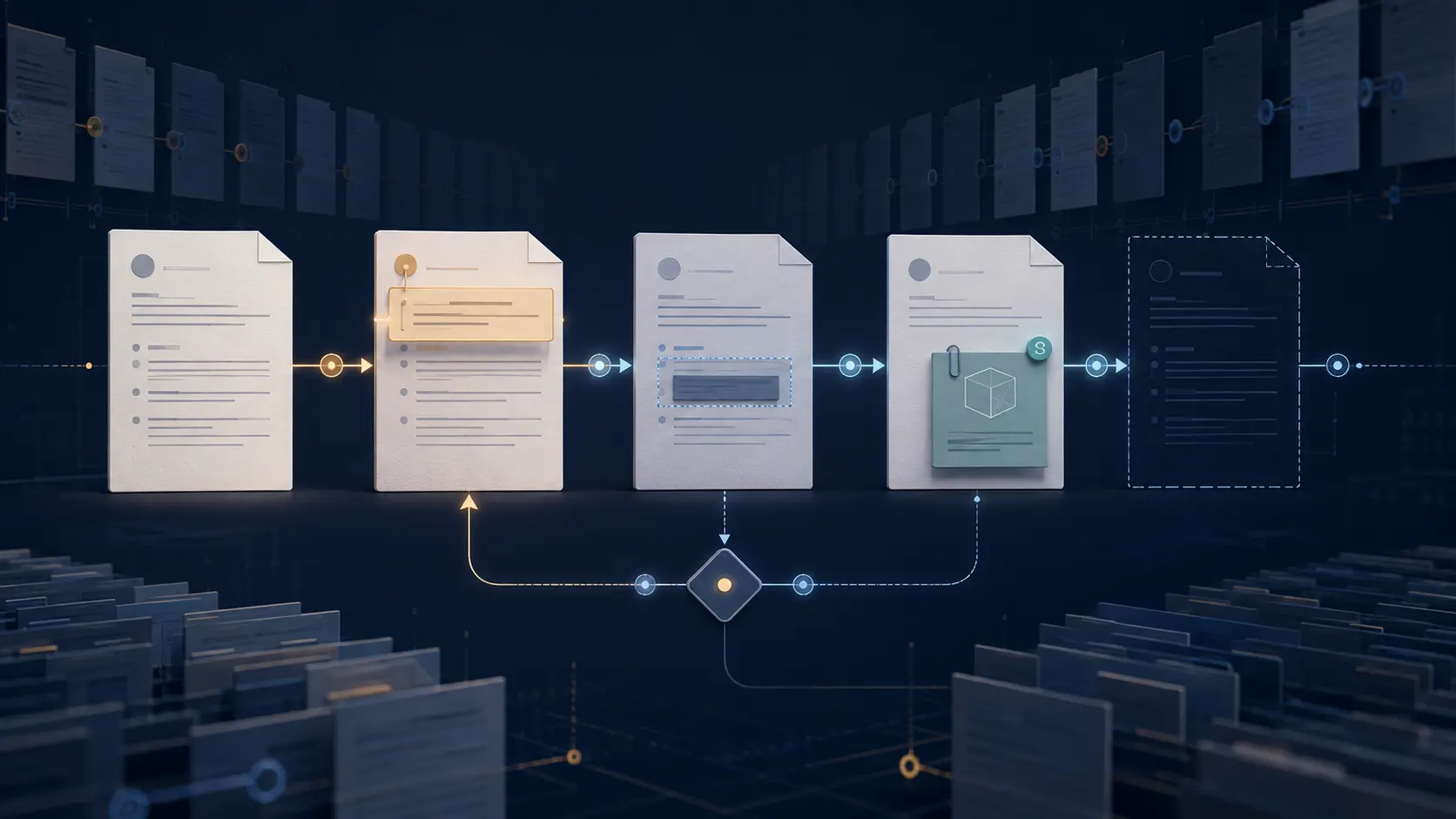
A compact archive policy could distinguish four outcomes: correction by visible annotation; replacement of a broken or unsafe attachment; redaction of narrowly identified sensitive material; and removal in exceptional cases while retaining minimal thread metadata. It should name the decision role, state the evidence required, give a response target and allow review by someone other than the initial decision-maker.
The policy should avoid silent rewriting. An annotation can preserve the original record while directing readers to a correction. When removal is necessary, a visible placeholder can protect thread continuity without repeating the removed content. Aggregate reporting can show request categories and outcomes without exposing private details.
The likely costs are administrative work and careful technical implementation. The intended benefit is a more legible institutional memory: contributors can understand how archive publication works, readers can interpret changes, and administrators can use a consistent basis for difficult cases.
AfNOG need not promise that every request succeeds. It only needs to make the lifecycle of a public technical record legible. Publishing that lifecycle would strengthen the archive as the community resource AfNOG already says it is.
Sources
Member Briefing
Deeper Profile Context
Sign in with the right membership level to unlock the full briefing and source notes.
Only for Strategic Circle
Strategic Circle
Open to all readers. Unlock profile briefings after joining and signing in.
Join Strategic CircleOnly for Leadership Alliance
Leadership Alliance
For qualified IP-asset owners and management; sign in to unlock alliance briefings.
Join Leadership Alliance