
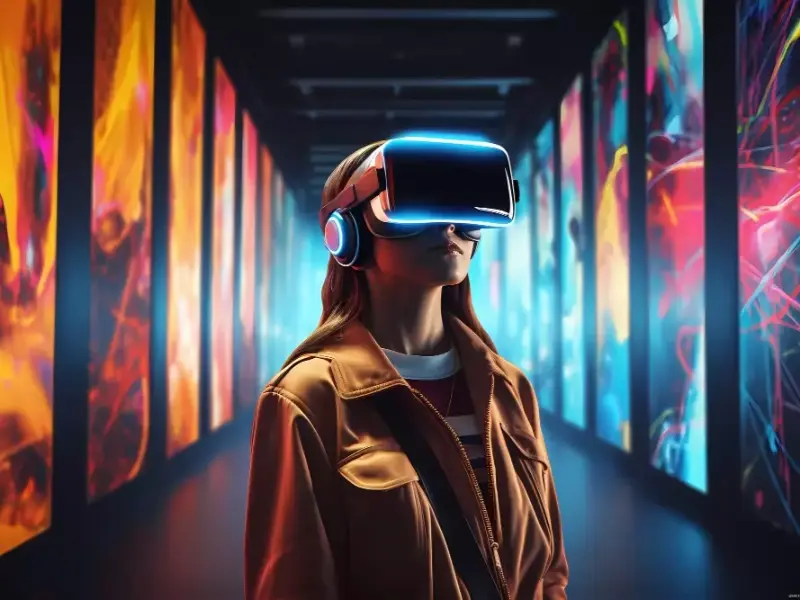
- Oculus (Facebook Reality Labs), HTC Vive, and Sony PlayStation VR stand out as leading players in the VR industry, each contributing unique innovations and experiences to the virtual reality landscape.
- Valve Corporation, known for its gaming platform Steam, has been instrumental in driving VR innovation through collaborations with hardware manufacturers and the development of advanced VR hardware like the Valve Index.
- Meta has emerged as a key player in the VR space, leveraging its acquisition of Oculus to invest heavily in VR hardware, software, and content development under the banner of Facebook Reality Labs, with the goal of building the next computing platform centered around augmented and virtual reality.
Virtual Reality (VR) technology has rapidly evolved from a niche concept to a transformative force reshaping industries and human experiences. Behind this evolution are visionary companies and innovators pushing the boundaries of what’s possible in the realm of virtual reality. In this blog, we’ll delve into some of the key players driving innovation and leading the charge in VR technology.
Oculus (Facebook Reality Labs)
Founded in 2012 by Palmer Luckey and later acquired by Facebook in 2014, Oculus has been at the forefront of the VR revolution. The company’s flagship product, the Oculus Rift, introduced high-quality VR experiences to consumers, sparking widespread interest in immersive gaming and entertainment. Oculus has since expanded its product lineup to include standalone headsets like the Oculus Quest series, offering untethered VR experiences and accessibility to a broader audience. With ongoing investments in hardware, software, and content development, Oculus continues to drive innovation and shape the future of VR technology under the umbrella of Facebook Reality Labs.
HTC Vive
HTC Vive emerged as a formidable player in the VR market with the launch of the HTC Vive headset in 2016. Developed in partnership with Valve Corporation, the HTC Vive offered room-scale tracking and precise motion controllers, delivering immersive experiences that set a new standard for VR fidelity. The Vive ecosystem has since expanded to include innovative accessories like the Vive Tracker and Vive Cosmos series, catering to a diverse range of VR applications beyond gaming. HTC Vive’s commitment to pushing the boundaries of VR technology and fostering partnerships with developers has solidified its position as a leader in the industry.
Also read: UK Network Rail employs VR to solve real-world concerns
Sony PlayStation VR
Sony entered the VR arena with the launch of PlayStation VR (PSVR) in 2016, leveraging its extensive gaming ecosystem and the success of the PlayStation console. PSVR quickly became one of the most popular VR platforms, offering seamless integration with PlayStation hardware and a rich library of VR-compatible games and experiences. Sony’s commitment to delivering high-quality, accessible VR experiences to console gamers has propelled PSVR to success, with millions of units sold worldwide. With the upcoming release of PlayStation VR 2, Sony aims to further elevate the VR gaming experience and expand its presence in the VR market.
Valve Corporation
Valve Corporation, renowned for its gaming platform Steam, has been instrumental in driving VR innovation through collaborations with hardware manufacturers and the development of VR software and experiences. The company’s partnership with HTC resulted in the HTC Vive, while its own VR headset, the Valve Index, raised the bar for VR immersion with features like high-resolution displays and precise finger-tracking controllers. Valve’s commitment to open-platform VR development and support for VR content creators has contributed to the growth of the VR ecosystem and positioned the company as a leader in VR technology.
Also read: Facebook adds ‘reverse passthrough’ 3D eyes to VR headsets
Meta
Meta, formerly known as Facebook, has been a driving force in the VR industry through its acquisition of Oculus and the establishment of Facebook Reality Labs. With a vision of building the next computing platform centered around augmented and virtual reality, Meta is investing heavily in VR hardware, software, and content development. The company’s Meta Quest line of standalone VR headsets, powered by Oculus technology, aims to make VR more accessible and social, paving the way for immersive experiences that connect people across the globe. Meta’s ambitious initiatives and commitment to advancing VR technology underscore its leadership in shaping the future of virtual reality.
These companies represent the vanguard of VR technology, driving innovation, and shaping the trajectory of the industry. Through their pioneering efforts, they are unlocking new possibilities and ushering in an era of immersive experiences that promise to revolutionise how we work, play, and interact with the digital world.