
Institution Profiling / Internet infrastructure institution

3 key examples of edge computing

3 key examples of edge computing is tracked as a internet infrastructure institution within the internet infrastructure ecosystem.

3 key examples of edge computing
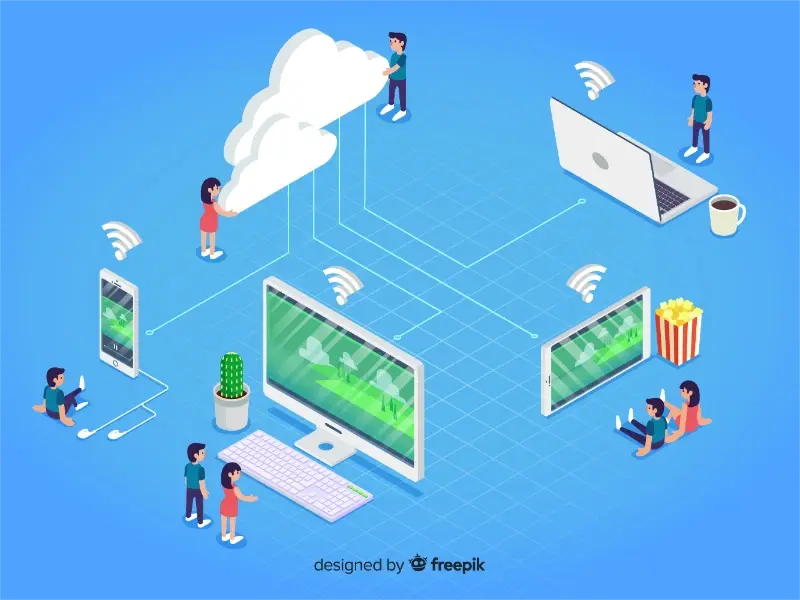
Caption: 3 key examples of edge computing visual context for BTW intelligence coverage. · Source context: Existing article media was retained or restored as the subject-specific visual basis. · Relevance reason: 3 key examples of edge computing is the primary subject or event subject; the image supports the article's market reading. · Image provenance: Existing curated article image retained because it is subject- or event-specific and not a generic pool placeholder.

Sources

Public references used for this article.

External references will appear here after editorial citation review.

CategoryInstitution

3 key examples of edge computing is tracked as a internet infrastructure institution within the internet infrastructure ecosystem.

RegionGlobal

3 key examples of edge computing has public-source relevance to network operations, governance, dependency mapping, or market structure.

Signal FocusInternet infrastructure institution

3 key examples of edge computing has public-source relevance to network operations, governance, dependency mapping, or market structure.

Content TypeProfile

3 key examples of edge computing is tracked as a internet infrastructure institution within the internet infrastructure ecosystem.

Primary DomainSecurity

Public-source signals support medium-impact monitoring for infrastructure visibility and dependency analysis.

TopicInternet infrastructure institution

3 key examples of edge computing is profiled by BTW Media because published evidence links it to internet infrastructure, governance, operational dependencies, or market visibility.

ImpactMedium

Public-source signals support medium-impact monitoring for infrastructure visibility and dependency analysis.

Confidence?Confidence Grade
0.90–1.00AHigh — direct sources
0.75–0.89A/BStrong
0.55–0.74B/CMedium
0.35–0.54C/DWeak–medium
0.10–0.34DWeak signal
0.00–0.09DInternal monitoring
Limited confidence (82%)

Several public sources

3 key examples of edge computing is profiled by BTW Media because published evidence links it to internet infrastructure, governance, operational dependencies, or market visibility.

  • Edge computing refers to a method of processing data close to users and devices.
  • Examples of edge computing include autonomous vehicles, traffic management systems and industrial automation and control.

This article will introduce the definition and examples of edge computing.

Definition of edge computing

Edge computing refers to a method of processing data close to users and devices. This approach minimises latency and bandwidth costs, ensuring fast, scalable digital experiences. The infrastructure for edge computing includes dedicated servers, server networks, and IoT devices, with locations varying widely as the technology continues to develop.

Also read: The future of cloud computing: exploring hybrid cloud (btw.media)

Also read: Fundamentals of cloud computing: Security and beyond (btw.media)

Major examples of edge computing

Edge computing is widely applied in all areas. Here are some of the examples.

1. Autonomous vehicles

Rugged edge computers are crucial for autonomous vehicles as they can gather, process, analyse, and decide on data from vehicle sensors and cameras within milliseconds. This rapid decision-making capability is essential to prevent collisions with vehicles, pedestrians, or objects. Using the cloud for data analysis introduces latency issues that can only be resolved by processing data locally at the edge where it is generated. This approach eliminates the need for data to travel long distances to centralised data centers for analysis and decision-making.

Moreover, the ruggedness of these edge computers allows them to endure the harsh conditions of vehicle deployments, including frequent shock and vibration, dust, debris, and extreme temperatures. Their robust design ensures reliable and uninterrupted operation. For instance, fanless designs prevent dust and particles from entering the system, as there is no air circulation needed for cooling. Heat is dissipated through heatsinks, transferring it to the system’s outer enclosure.

2. Traffic management systems

Another area of an edge computing example is traffic management systems. A prime example is the New York City traffic management system, which employs edge computing devices. These devices facilitate tasks such as optimising traffic signal timings and dynamically opening or closing additional lanes as needed. This approach ensures intelligent, real-time management of traffic to prevent congestion effectively.

3. Industrial automation and control

Rugged industrial computers are commonly used in factories and manufacturing facilities for automation and control purposes. They facilitate communication among factory machinery, sensors, equipment, and other devices, as well as provide connectivity to the internet for transmitting critical data to the cloud for remote monitoring and control.

Additionally, rugged computers excel in workload consolidation by integrating multiple operations onto a single system. This capability replaces separate purpose-built hardware machines with rugged edge computing devices. For instance, in industrial environments, programmable logic controllers (PLCs) and human-machine interfaces (HMIs) often run specialised applications, contributing to a decentralised system that heightens complexity and maintenance expenses. Consolidating workloads onto a single platform, such as a rugged edge computer, addresses these challenges and streamlines the system.

4. Health care

In the healthcare sector, patient data and records are continuously gathered from diverse devices like sensors, monitors, wearables, and other medical equipment. This practice enables healthcare professionals to access timely information about patient conditions.

At A Glance

  • Name: 3 key examples of edge computing
  • Type: Internet infrastructure institution
  • Base: Global
  • Profile focus: Institution

What It Does

  • Public records support monitoring of its role, services, and key relationships.

Why It Matters

  • Public-source signals support medium-impact monitoring for infrastructure visibility and dependency analysis.
  • Operational criticality: Medium
  • Time horizon: Next quarter

What To Watch

  • Monitoring focuses on verified service continuity, governance changes, and relationship signals.
NowMedium priority

Track verified source updates, role changes, and current public evidence.

QuarterMedium policy sensitivity

Public-source signals support medium-impact monitoring for infrastructure visibility and dependency analysis.

YearNext quarter outlook

Longer-term relevance depends on verified operating, policy, and relationship changes.

Member Briefing

Deeper Profile Context

Login is required to unlock the full profile briefing and source notes.

Only for Strategy Circle

Strategic Circle Access

Open to all readers. Unlock profile briefings after joining and logging in.

Join Strategic Circle

Only for Leadership Alliance

Leadership Alliance Access

For owners and management of IP-holding companies. Login required to unlock.

Join Leadership Alliance
← BackAll Companies