Summary
- Zayo made Agentic Networking available in DynamicLink on 8 September, allowing approved enterprise agents to use network information and authorised tools outside the carrier's portal.
- AI-assisted provisioning already existed. The new question is how a cross-system workflow preserves the target, approval and resulting state of a network change.
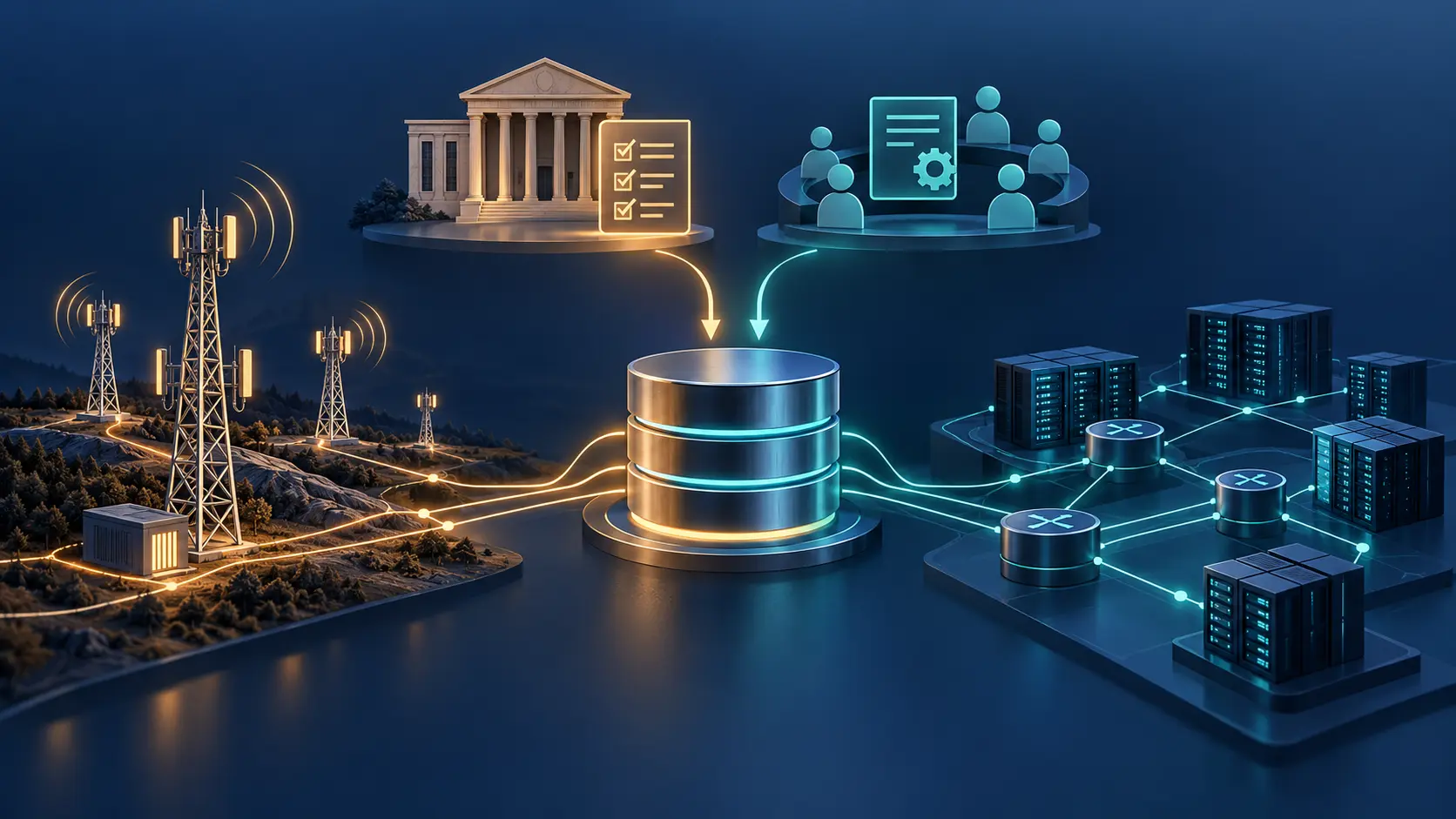
The new place to operate a Zayo connection may be the enterprise's own AI workspace. In its 8 September announcement, Zayo introduced a Model Context Protocol, or MCP, interface through which approved agents can consult DynamicLink information and invoke authorised network actions. It says the capability is available immediately.
That is a change in the point of access, not the invention of AI-assisted network control. The September 2025 launch already described natural-language provisioning. An August release described DashAI's use of the product knowledge base and confirmation of user intent. A second launch should not erase that baseline.
The distinction is clearer in the technical documentation. The MCP page describes agents using DynamicLink alongside systems the customer controls, including cloud and server-management tools. Network operations can therefore sit inside a larger task rather than require a separate visit to the carrier's interface. Its security example still puts approval between a recommendation and the subsequent action.
The DashAI instructions describe a more specific interaction: the portal assistant presents the planned resource change and requires explicit approval before creating, updating or deleting services. That documented interface is not proof that every external MCP client displays the same confirmation. Neither is the distinction evidence that MCP lacks safeguards. It identifies something an enterprise must establish for the client and workflow it actually adopts.
Consider a hypothetical temporary connection for moving data between cloud environments. Requesting connectivity, preparing the cloud side and later removing the temporary service may be one business task but several system changes. A successful network-tool response does not, by itself, establish that data moved successfully or that every temporary resource was removed. This is an acceptance problem, not a reported Zayo failure.
There is also a physical prerequisite. The port guide says a port must exist before connections can be built and describes ordered ports remaining pending until provisioned. Its forward-looking reference to in-platform port ordering during 2026 does not establish that the feature has shipped. An agent interface cannot be read as immediate physical access.
Zayo has not supplied a customer cohort, a comparative error rate or a universal reversal guarantee in this announcement. The useful claim to examine is therefore narrower than autonomous networking: an approved enterprise agent can bring supported network actions into its existing work.
Member Briefing
Deeper Profile Context
Sign in with the right membership level to unlock the full briefing and source notes.
Only for Strategic Circle
Strategic Circle
Open to all readers. Unlock profile briefings after joining and signing in.
Join Strategic CircleOnly for Leadership Alliance
Leadership Alliance
For qualified IP-asset owners and management; sign in to unlock alliance briefings.
Join Leadership Alliance