

- Environmental monitoring is crucial for tracking and managing environmental quality, detecting contaminants, and ensuring safety.
- It helps in maintaining public health, regulatory compliance, and environmental protection.
Environmental monitoring is vital for maintaining and improving the quality of our environment. Whether it’s for ensuring clean air and water, managing waste, or protecting ecosystems, regular monitoring provides essential data for decision-making and regulatory compliance. In this blog, we will explore why environmental monitoring is important, its benefits, and its role in various sectors.
What is environmental monitoring
Environmental monitoring involves systematically observing and measuring environmental parameters to assess their quality and detect potential issues. This includes monitoring air and water quality, soil conditions, and other environmental factors that could impact human health, ecosystems, and overall environmental quality. By collecting and analysing data from various sources, environmental monitoring helps identify trends, detect pollutants, and ensure that environmental standards are met.
Also read: Greenpeace Challenges Apple’s Carbon Emissions
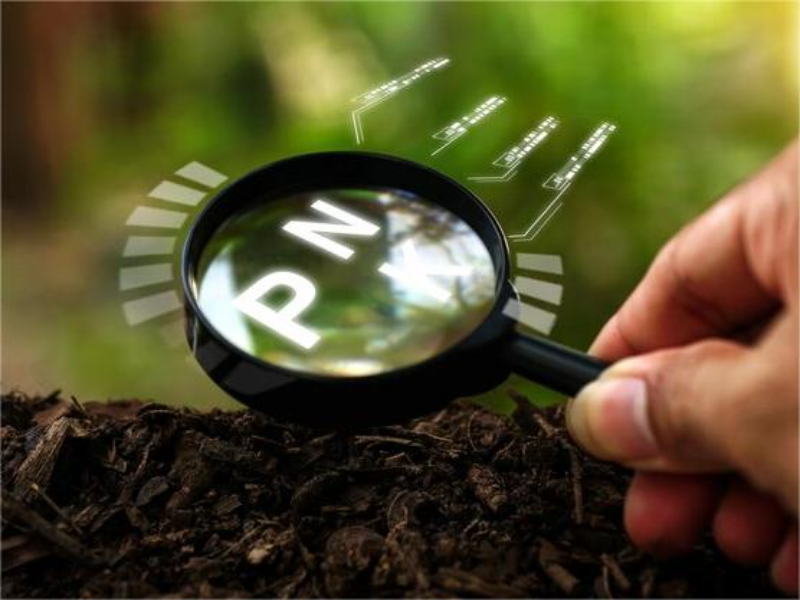
Importance of environmental monitoring
- Public health: Monitoring environmental conditions is critical for safeguarding public health. By detecting contaminants and pollutants in air, water, and soil, authorities can take preventive measures to reduce exposure to harmful substances. This helps in preventing health issues such as respiratory problems, waterborne diseases, and other health risks associated with environmental pollution.
- Regulatory compliance: Many industries and regions are subject to environmental regulations that require regular monitoring and reporting of environmental conditions. Compliance with these regulations ensures that businesses and organisations meet legal standards and avoid penalties. Environmental monitoring provides the data necessary for demonstrating adherence to these standards and for making informed decisions about environmental management.
- Environmental protection: Monitoring helps protect natural resources and ecosystems by tracking changes in environmental conditions. This includes assessing the impact of human activities, such as industrial processes and agricultural practices, on the environment. By identifying and addressing issues such as soil degradation, water pollution, and air quality deterioration, environmental monitoring supports efforts to preserve and restore natural habitats.
- Risk management: Effective environmental monitoring allows for early detection of potential environmental hazards and risks. This enables timely interventions and risk mitigation strategies to prevent or minimise damage. For example, monitoring can help detect oil spills, chemical leaks, or other incidents that could have significant environmental and economic impacts.
- Informed decision-making: Data collected through environmental monitoring provides valuable insights for policymakers, businesses, and researchers. This information supports evidence-based decision-making and helps in developing strategies for sustainable development, resource management, and environmental conservation.
Also read: What type of operating system do embedded devices use?
Methods of environmental monitoring
Several methods are used for environmental monitoring, including:
- Sampling and analysis: Collecting samples from air, water, and soil and analysing them for contaminants and pollutants.
- Remote sensing: Using satellite and aerial imagery to monitor large-scale environmental changes and trends.
- Sensor networks: Deploying sensors to continuously measure environmental parameters and provide real-time data.
- Laboratory testing: Conducting laboratory tests to identify and quantify pollutants and contaminants in samples.
In summary, environmental monitoring is essential for protecting public health, ensuring regulatory compliance, and preserving the environment. By providing critical data and insights, it supports informed decision-making and helps manage environmental risks effectively. Regular monitoring and analysis are key to maintaining environmental quality and promoting sustainable practices across various sectors.