
- Cooling system pressurisation is to improve cooling efficiency and reliability by increasing the boiling point of the coolant to absorb more heat and prevent overheating of the system caused by premature boiling.
- Pressurisation helps to maintain a steady flow of coolant, ensures that all parts of the system are adequately cooled, and protects system components from excessive pressure damage through pressure release valves.
Pressurised cooling systems prevent overheating and protect system components by raising the boiling point of the coolant and maintaining a steady flow, thus ensuring efficient and safe operation of equipment in a variety of applications.
Common types of cooling systems
Cooling systems are mechanisms designed to manage the temperature of a system, device, or environment by removing excess heat. They are essential in various applications, from automotive engines to industrial machinery and electronic devices, to prevent overheating and ensure optimal performance. Here are some common types of cooling systems:
1. Automotive cooling systems: Radiator-based systems, found in most vehicles, use a liquid coolant that circulates through the engine to absorb heat. The heated coolant is then passed through a radiator, where it releases the heat into the air before returning to the engine.
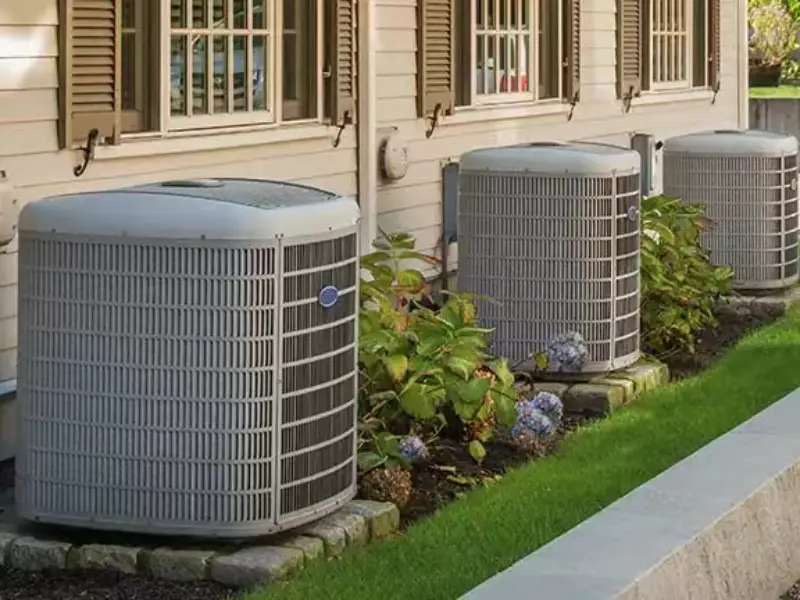
2. HVAC systems (Heating, Ventilation, and Air Conditioning): Air conditioning systems cool indoor spaces by circulating refrigerant through coils, absorbing heat from the air inside a building and releasing it outside.
3. Computer and electronics cooling: Computers use fans to draw cool air over heat-generating components like CPUs and GPUs, dissipating heat away from the device.
4. Industrial cooling systems: Cooling towers often use in power plants and large industrial facilities. They remove excess heat from water used in various processes by allowing it to evaporate, releasing heat into the atmosphere.
5. Refrigeration systems: Refrigerators and freesers keep food and other perishables at low temperatures by circulating refrigerant through a closed loop, absorbing heat from inside the unit and releasing it outside.
6. Natural cooling systems: Passive cooling strategies like ventilation, shading, and thermal mass are designed to regulate a building’s temperature without mechanical systems.
Also read: Aruba integrates liquid cooling tech at Ponte San Pietro campus
Also read: Why skipping server room cooling could cost millions
Why pressurisation for cooling system is important
Cooling systems are pressurised to enhance their efficiency and reliability in managing the temperature of engines, electronic devices, or other systems that generate heat. Here is why pressurisation is important:
Increased boiling point of coolant: Pressurisation raises the boiling point of the coolant. This allows the coolant to absorb more heat from the system before it starts to boil and turn into vapor. In engines, for example, a higher boiling point ensures that the coolant remains in a liquid state, which is more effective at transferring heat away from the engine components.
Prevention of overheating: By increasing the boiling point, pressurisation helps prevent the coolant from boiling too early, which could lead to overheating. If the coolant boils, it forms vapor pockets, which are much less effective at absorbing and transferring heat, leading to potential overheating of the system.
Stable coolant flow: Pressurisation also helps maintain a consistent flow of coolant throughout the system. A pressurised system is less likely to experience air pockets or blockages that can disrupt the coolant’s circulation, ensuring that all parts of the system are adequately cooled.
System efficiency: Proper pressurisation ensures that the cooling system operates efficiently, preventing the engine or device from reaching excessively high temperatures that could cause damage or reduce performance.
Component protection: While the correct amount of pressure is beneficial, too much pressure can damage the system’s components, such as hoses, seals, and the radiator. The system is typically equipped with a pressure relief valve to maintain an optimal pressure level, protecting the cooling system’s integrity while maximising its efficiency.