
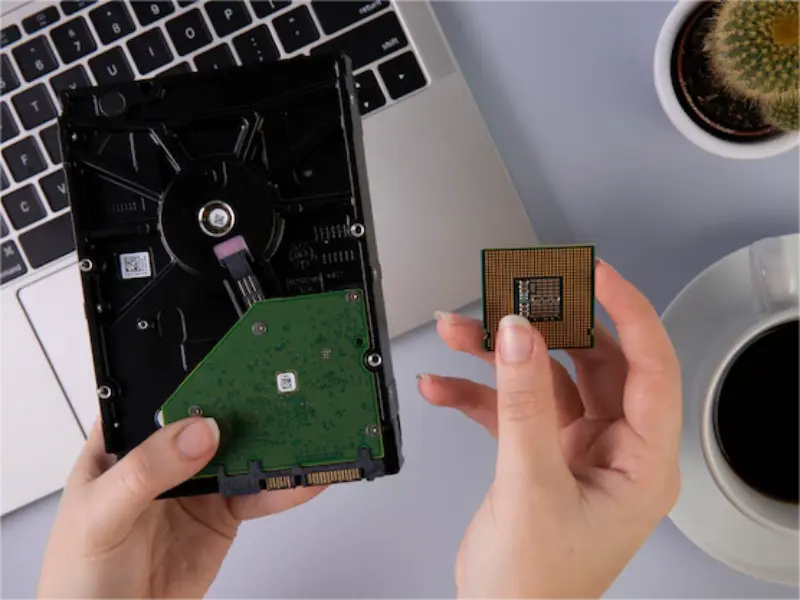
- SSD firmware is specialised software embedded in solid-state drives that manages data storage, retrieval, and overall performance.
- It plays a crucial role in ensuring reliability, optimising performance, and maintaining data integrity within the SSD.
SSD firmware is a fundamental aspect of solid-state drives, influencing their functionality and performance in various computing environments. Understanding what SSD firmware is and its importance can help users maximise the benefits of their SSDs.
What is SSD firmware
SSD firmware specifically refers to the embedded software that manages the operations of solid-state drives. This firmware is responsible for controlling data storage, retrieval, wear leveling, error correction, and garbage collection processes within the SSD. It acts as a bridge between the SSD hardware and the operating system, ensuring that data is stored and accessed efficiently.
One of the key functions of SSD firmware is to optimise performance by managing how data is written and erased on the flash memory cells. Unlike traditional hard drives, which use spinning disks, SSDs rely on flash memory, which has different characteristics and requires specialised management to ensure longevity and speed.
Also read: What is router firmware and what are its functions?
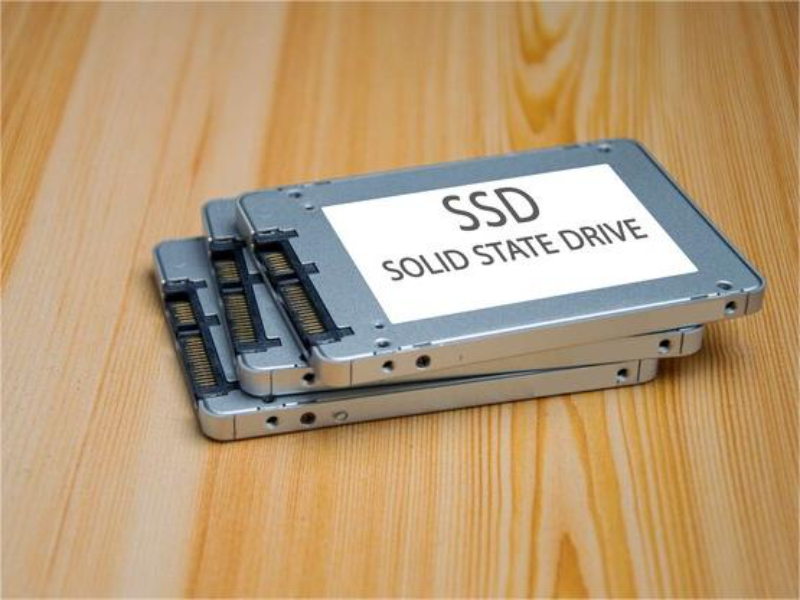
Key features of SSD firmware
SSD firmware includes several essential features that contribute to its functionality:
Wear leveling: This process ensures that data is evenly distributed across the flash memory cells to prevent any single cell from wearing out prematurely. Effective wear leveling extends the lifespan of the SSD.
Error correction: SSD firmware employs error correction codes (ECC) to detect and correct data corruption, ensuring data integrity and reliability over time.
Garbage collection: This process automatically cleans up invalid data in the SSD, freeing up space and maintaining optimal performance by making room for new data.
TRIM support: SSD firmware can implement TRIM commands, which inform the SSD which data blocks are no longer in use. This allows the firmware to optimise write performance and prolong the lifespan of the drive.
Also read: The essential impact of firmware upgrades
Importance of SSD firmware
The significance of SSD firmware lies in its direct impact on the performance, reliability, and longevity of solid-state drives. Key reasons why SSD firmware is important include:
Performance optimisation: By managing how data is written, retrieved, and stored, SSD firmware ensures that drives operate at peak performance, resulting in faster read and write speeds.
Data integrity: Effective error correction and wear leveling mechanisms help maintain the integrity of stored data, reducing the risk of data loss or corruption.
Longevity: SSD firmware’s wear leveling and garbage collection processes contribute to the overall lifespan of the drive, allowing users to benefit from their investment over a longer period.
Compatibility and features: SSD firmware often includes support for advanced features such as encryption and secure erase, enhancing the drive’s functionality and security.
In summary, SSD firmware is a critical component of solid-state drives that manages data storage and retrieval, ensuring optimal performance and reliability. Its role in wear leveling, error correction, and garbage collection is essential for maintaining data integrity and prolonging the lifespan of the drive. Understanding SSD firmware helps users maximise the benefits of their solid-state drives in today’s technology landscape.